


It’s not just a theater. It’s the birthplace of modern American stand-up, a place where comedy evolved from mere entertainment into a tool for social commentary. The story of The Second City is the story of an experiment that became a legend. Also, discover the secret to the success of the Chicago-based Lookingglass Theatre Company. Read more at chicago-trend.com.
The Birth of the Theater
The idea for The Second City emerged as an extension of the experiments of Paul Sills, son of Viola Spolin—a pioneer of theatrical improvisation who developed a system of theater games to foster creativity and communication. These very games formed the foundation of the actors’ work at The Second City and became the basis for the theater’s unique style. The first performance at The Second City took place on December 16, 1959, in a small space on North Wells Street in the Old Town neighborhood, and it almost immediately caught the attention of critics. The show’s distinctive feature was not only its complete improvisation but also the absence of the “fourth wall”: actors constantly addressed the audience, included them in the dialogue, and broke the conventions of classical theater.
From the very beginning, The Second City operated as a comedy laboratory—a stage where more was permitted than in traditional theater. Here, they joked about racial prejudice, the Vietnam War, feminism, corruption, sexuality, and religion—all the topics that larger stages often shied away from. The theater reflected current societal changes with a freedom that only improvisation allows. By the 1960s, The Second City had a national reputation and had sent its first alumni to major television platforms. One of the most famous was John Belushi, a charismatic comedian who would go on to become a star on Saturday Night Live. The Second City didn’t just lay the groundwork for improvisational comedy in America—it changed the very paradigm of what it means to be a comedic actor: flexible, quick-witted, politically aware, and socially responsible.
Famous Alumni of the Theater
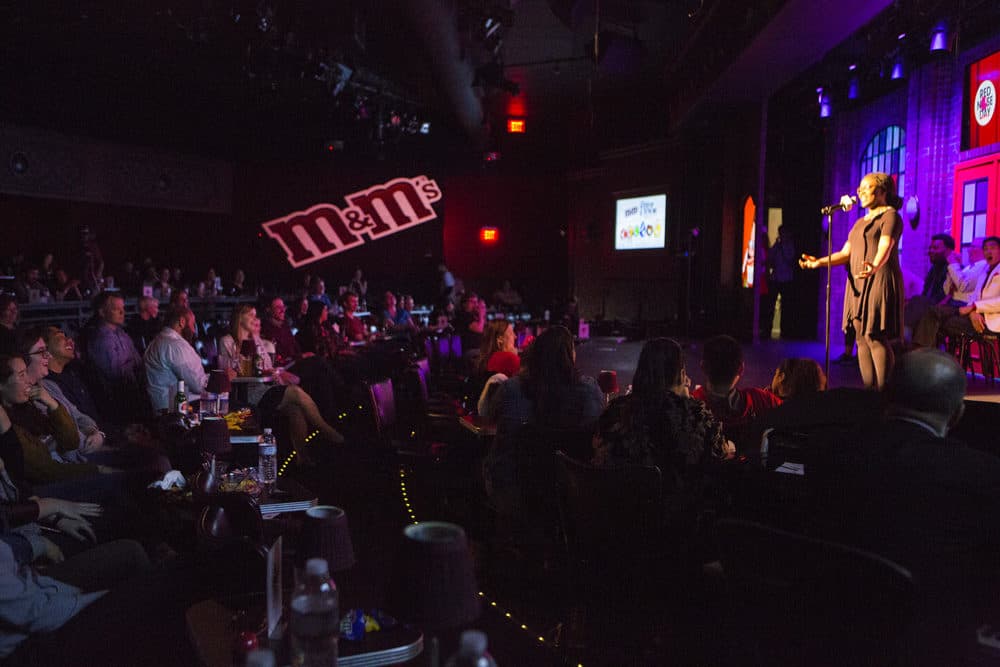
The uniqueness of The Second City was not just in discovering talent, but in how it did so. Unlike classical theater schools that teach discipline and precision, The Second City cultivated freedom, risk, and co-creation. Actors didn’t just recite scripts—they created them collectively, reacted to the audience’s response, and trained their quick thinking and sense of humor in real time. This very atmosphere nurtured a new generation of comedy superstars. For many, their path to stardom began on the small stages of North Wells Street, where improvisational sketches turned into full-fledged hits. John Belushi, for instance, brought a wild, physical style of performance to The Second City, which later became his signature on SNL. Tina Fey, one of the first female writers in the troupe, drew on her Chicago experience when she became head writer for SNL and created the series “30 Rock.” A special chapter in The Second City’s history was its collaboration with its Canadian affiliate, The Second City Toronto, which launched the careers of Mike Myers, Catherine O’Hara, Eugene Levy, and other future stars. Their TV show, SCTV, became one of the most daring and original comedy programs of its time.
The Second City didn’t just influence television; it reprogrammed the very idea of comedy. Audiences began to expect not just jokes, but sharpness, intellectual subtext, absurdity, and satire that moved faster than the news cycle. The success of The Second City’s alumni became proof that innovation, when combined with perseverance, can change an entire industry.
A Special Kind of Humor
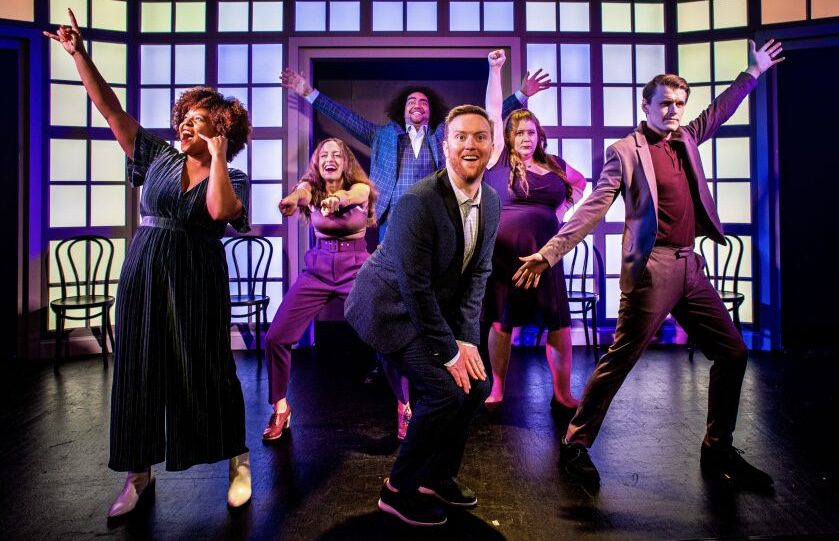
From its inception, The Second City became a space where laughter was used as a tool for critique and dialogue with society. Its improvisational nature allowed for immediate reactions to current events—from the Vietnam War and the Watergate scandal to modern debates on human rights, racial justice, and climate change. There were no taboo subjects in their shows; on the contrary, the comedians sought out the very sore spots that the mainstream media was silent on.
The humor of The Second City was not just satirical. The troupe often worked with representatives of different communities, creating shows on topics like LGBTQ+ rights, racial discrimination, and economic inequality. In the 2000s, the theater launched programs to support new voices—especially among African American, Latinx, and Asian American actors and writers. The theater’s role became particularly significant during the presidencies of Bush, Obama, Trump, and Biden—The Second City always knew how to turn political tension into a source of creativity, showing that democracy is also about the ability to laugh at oneself. Even during times of crisis, such as the Black Lives Matter protests, the theater did not stand aside. Actors took the stage with monologues that were both comedic and deeply emotional—humor served not as an escape, but as a way to process complex experiences.
The Training Center
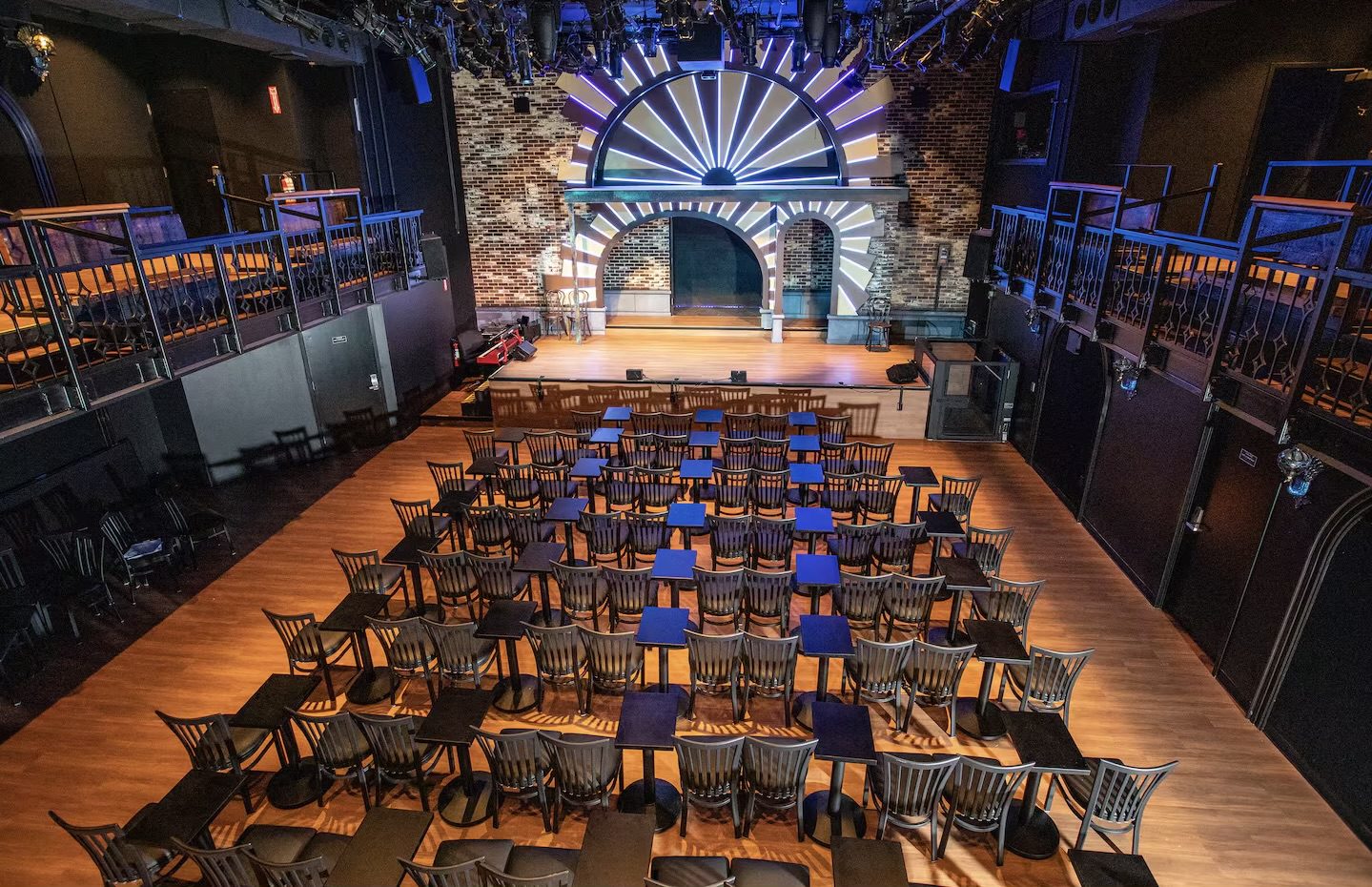
The educational activities of The Second City became one of the key pillars of the theater’s development, making its influence not just cultural but also a pedagogical phenomenon. The Training Center, which operates in Chicago, Toronto, and online, is a veritable academy of modern comedy. Here, students study the fundamentals of improvisation, comedic thinking, stand-up, acting, playwriting, and audience engagement. The teaching principle at The Second City is built on empathy, quick thinking, and collaborative creation. Training modules include practicing scene-building without a script, working in teams, and developing “agile thinking”—skills valuable not just for actors but also for business leaders. This is why many of the theater’s programs are adapted for corporate clients.
Second City Works is a separate educational and business initiative of the theater that helps companies improve communication, train leaders, and resolve crisis situations using the methods of improvisation. Participants in these programs learn not only to “land a joke” but also to manage conversations, reduce tension, and think creatively in unpredictable situations. In partnership with leading universities and companies, The Second City also conducts research on the impact of improvisation on brain activity, emotional intelligence, and collective effectiveness. Additionally, there are specialized courses for teachers, community leaders, and people with disabilities—the theater actively promotes the idea of inclusivity through humor.
Change of Ownership
The expansion of The Second City is a story of how a local improv theater transformed into a global brand of creativity and satirical thinking. The year 2021 was a turning point: The Second City was acquired by the private equity firm ZMC, raising questions about the future of the theater’s independence. However, the new management team assured that its core values would remain intact: political independence, social engagement, and creative freedom.
The Second City also began to intensively develop digital formats—online shows, web series, courses, and livestreams. This transformation allowed the theater not only to survive the COVID-19 pandemic but also to expand its audience far beyond North America. Performances from The Second City can now be seen on streaming platforms, and its training programs are accessible to people all over the world. The influence of The Second City is felt even in unexpected areas—from TikTok comedians to the communication strategies of political campaigns, which increasingly use humor as a tool of influence. Its alumni work as writers for Netflix, HBO, and NBC and host their own podcasts, shaping a new era of comedy.
Also, learn about the secret to success in show business from Michael Madsen.
Sources: