


This is not just a theatrical stage; it is a cultural institution with a long history that has become a symbol of artistic bravery and social resonance in American theater. Founded in 1925 in Chicago, it is the oldest professional theater in the city and one of the most influential in the United States. Also, learn about the history and features of another Chicago theatrical organization, The Victory Gardens Theater. Read more at chicago-trend.com.
The Founding of the Theatre
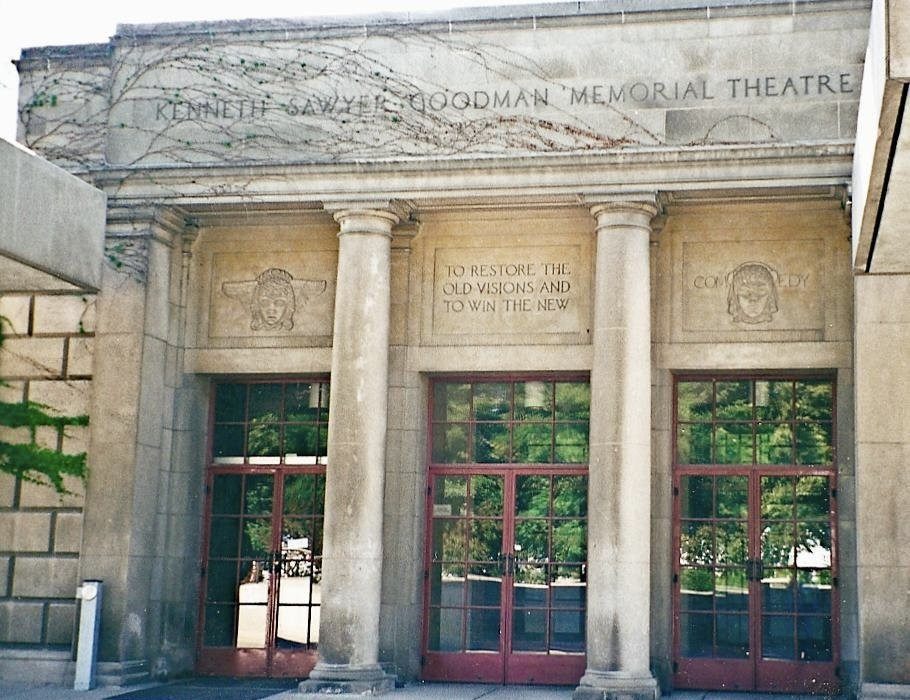
The story of the Goodman Theatre begins with a family tragedy and a deep belief in the power of art. In 1918, during the Spanish flu pandemic, Kenneth Goodman—a talented theater critic, playwright, and artist with a passionate dream of creating a theater that would be not just a performance venue but an intellectual and moral center of culture—passed away prematurely. His father, Albert Goodman, a wealthy businessman and philanthropist, decided to honor his son’s memory in a unique way: by building a theater that would embody the ideas Kenneth lived for. The Goodman family made a generous donation to the Art Institute of Chicago, with which Kenneth was closely associated. In partnership with the institute, a new drama school was founded—the Goodman School of Drama—along with a theater for student training and practice. Thus, from its inception, the Goodman Theatre had a dual mission: to be a cultural hub for audiences and a training ground for future stage professionals.
The theater officially opened on October 21, 1925. Its first production, William Shakespeare’s “Hamlet,” was a symbolic statement of the new institution’s high ambitions. Unlike most theaters of that time, the Goodman did not limit itself to entertaining performances but aimed to shape tastes, develop critical thinking, and explore moral themes. Another innovative element was the combination of an educational program with a professional stage. The theater functioned as a laboratory where actors, directors, set designers, and playwrights could develop their ideas, experiment, and implement bold creative solutions. This is why the Goodman Theatre became one of the first American theaters to integrate theatrical education into a professional practice format.
Experiments in Repertoire
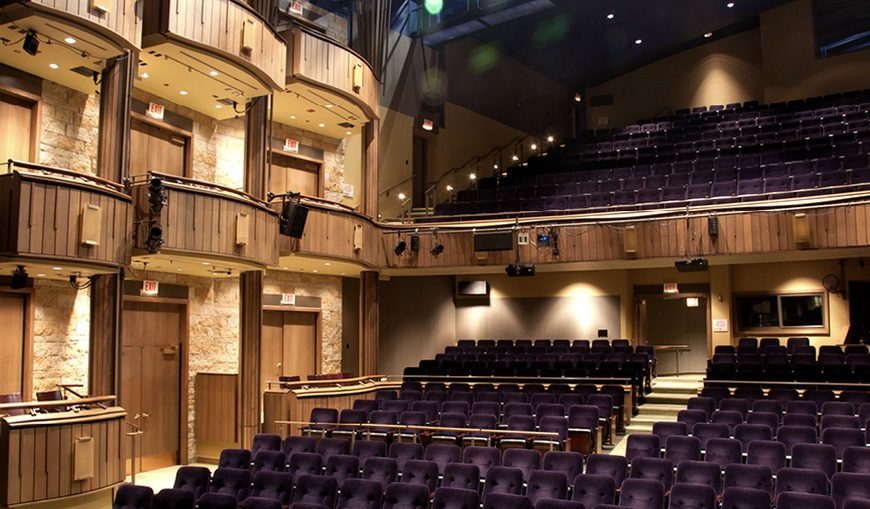
From its founding, the Goodman Theatre positioned itself as a venue for serious theater—a space for studying classical drama and honing theatrical craft. In the 1920s and 1930s, the theater’s repertoire consisted mainly of works by masters such as William Shakespeare, Pierre Corneille, Molière, and Lope de Vega. Productions of these classics not only sharpened the professionalism of actors and directors but also helped cultivate a refined taste among the public. The Goodman also became a platform for future stars. Students of the Goodman School of Drama not only studied but also worked in productions, including future prominent figures of the American stage and screen. In this way, the theater became a living bridge between education and professional practice—a rare combination for that era.
After World War II, there was a significant rethinking of the theater’s artistic mission. Society had changed, and the Goodman did not stand aside. The theater began to actively experiment with new playwrights, staging works that raised complex moral, psychological, and social issues. Productions of plays by Tennessee Williams (“The Glass Menagerie”), Arthur Miller (“Death of a Salesman,” “The Crucible”), and Edward Albee (“Who’s Afraid of Virginia Woolf?”) became not just artistic events but emotional experiences for audiences.
In the 1960s, against the backdrop of the civil rights movement and social turbulence in the U.S., the Goodman Theatre officially became part of the American regional theater movement, which positioned itself in opposition to the commercialism of Broadway. The theater gained popularity precisely because of its risky repertoire and its willingness to address topics like racial inequality, the Vietnam War, and women’s emancipation. It became a voice of the era, resonating with the anxieties and questions of its contemporaries.
The Theatre in the 21st Century
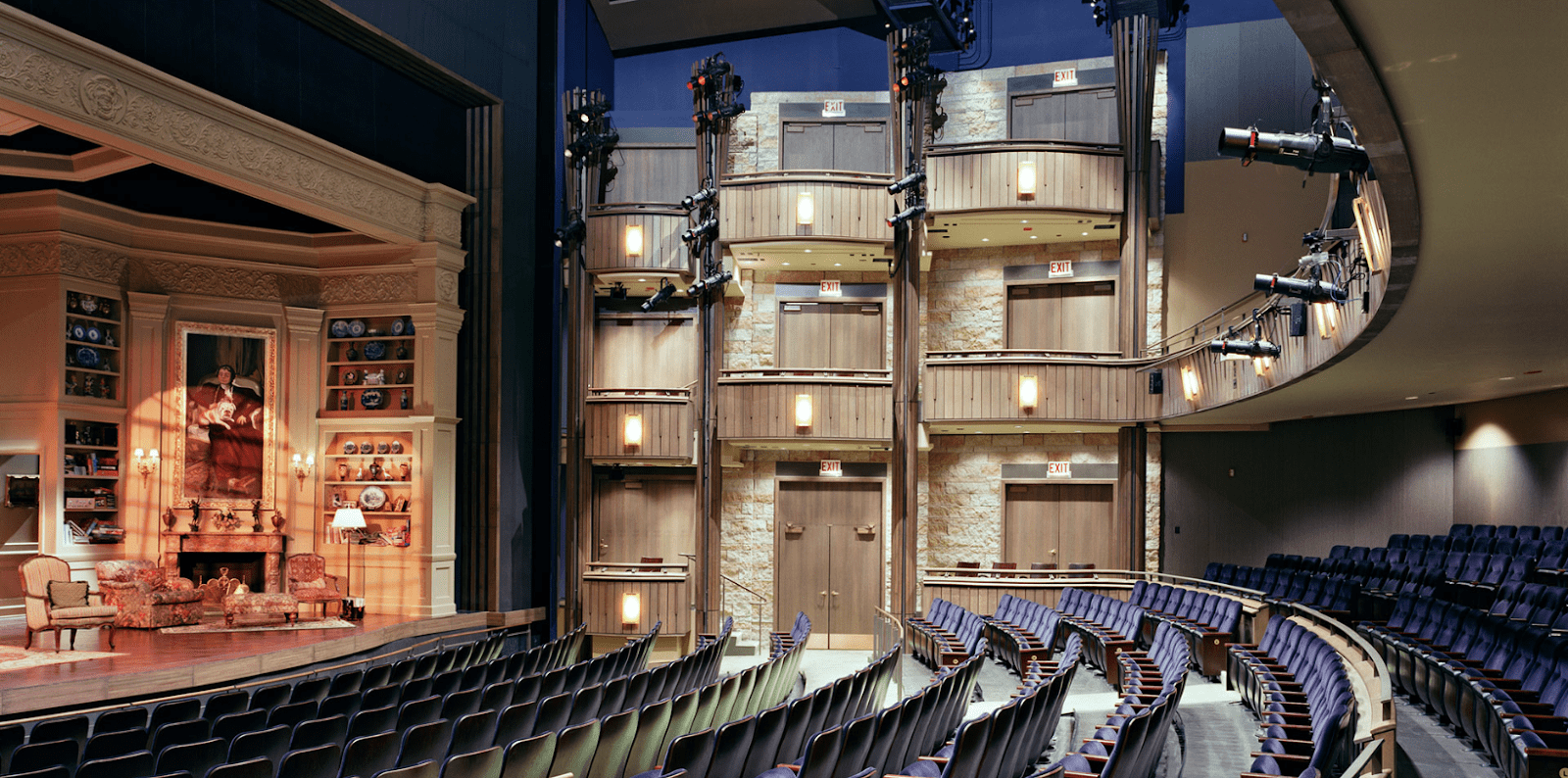
A new stage of development began in 2000 with the move to downtown Chicago. This spatial and architectural transition symbolized changes in the repertoire as well. The new building gave the theater two stages—the Albert Theatre, a large stage for major productions, and the Owen Theatre, an intimate space for experimental theater, new playwrights, and young directors. After the move, the theater became even bolder: it staged everything from Lynn Nottage’s drama about the war in Congo, “Ruined,” to new interpretations of classics, such as an informal stage adaptation of Garcia Lorca’s “Blood Wedding.”
In the 21st century, the Goodman Theatre is considered one of the most influential theatrical institutions in the United States. It is known for its deep dramaturgical analysis and its focus on issues of race, gender, human rights, and social inequality. The theater has been a recipient of the Regional Theatre Tony Award and has presented dozens of world premieres by American playwrights. Notable productions include Lynn Nottage’s “Ruined,” Eugene O’Neill’s “The Iceman Cometh” starring Nathan Lane, and the annual traditional performance of “A Christmas Carol,” which has become a holiday symbol for thousands of viewers.
Numerous famous actors, both local legends and national stars, have worked and continue to appear on the Goodman stage. Here are a few of the most well-known names associated with the theater:
- Brian Dennehy: A Tony and Golden Globe Award winner, Dennehy had a long and fruitful collaboration with the Goodman, especially in productions of classic dramas. His role in Arthur Miller’s “Death of a Salesman” became iconic.
- Phylicia Rashad: Known for the series “The Cosby Show,” she has also worked at the Goodman as both an actress and a director, notably in the production of August Wilson’s “Gem of the Ocean.”
- Tracy Letts: The Pulitzer Prize-winning author of “August: Osage County,” Letts also performed on the Goodman stage as an actor before becoming a playwright and movie star.
- Joan Allen: The star of films like “The Contender” and “Pleasantville,” Allen began her acting career on the stage of the Goodman Theatre.
- Michael Shannon: An Oscar nominee known for films like “Revolutionary Road,” “Nocturnal Animals,” and “The Shape of Water,” also performed at the Goodman early in his career.
- Caroline Neff: One of Chicago’s brightest contemporary actresses, she is a regular in Goodman productions, particularly in premieres of modern plays.
- John Judd: A well-known stage actor who frequently appears in Goodman productions, especially in serious drama and classic adaptations.
This theater remains a magnet for actors seeking a serious stage, dramatic depth, and the freedom for creative experimentation.
Legacy
The Goodman Theatre is not just one of Chicago’s oldest theatrical institutions but a deeply rooted cultural force that has shaped the face of American theater for over a century. Its contribution to the development of dramatic art is hard to overstate: dozens of renowned actors, directors, and playwrights got their start here. Its legacy is a commitment to education and the discovery of new talent. The Goodman School of Drama (which later became part of DePaul University) nurtured a generation of artists who went on to influence theatrical and cinematic culture in the U.S. Even in the 21st century, the theater continues this mission with numerous educational programs aimed at discovering and supporting new voices. Here, young people not only learn but also have a chance to be heard: new plays are read aloud, and new voices are given a stage.
A special place in the theater’s modern mission is its support for inclusivity. The Goodman actively collaborates with artists of diverse ethnic backgrounds, women playwrights, members of the LGBTQ+ community, and those on the social periphery. The theater strives not only to reflect the modern world but also to shape it—making it more just, honest, and multi-vocal. Thanks to institutional stability, strategic management, and support from audiences and partners, the Goodman looks to the future with open eyes. Its repertoire is a blend of classics, contemporary drama, and premiere texts. The theater is open to global influences while remaining deeply connected to the problems and needs of its city.

Also, learn the story of Chicago entrepreneur Samuel Altman.