Chicago is home to a vibrant theater scene, attracting both locals and tourists alike. Among the city’s many venues, the legendary Vic Theatre stands out, offering an incredible lineup of live music from world-class artists. Let’s take a closer look at the history and unique features of this iconic theater, courtesy of chicago-trend.com.
A Grand Building from the Ground Up
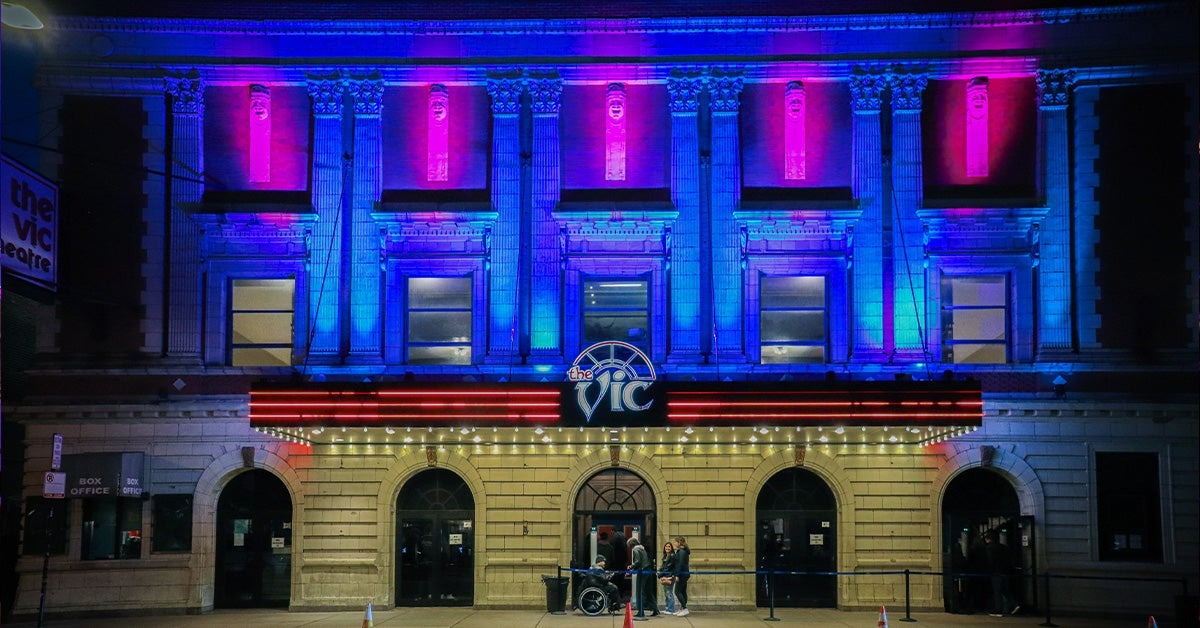
Constructing the theater took three years and cost a hefty $300,000. The magnificent five-story vaudeville house featured 1,550 polished mahogany seats, while the lobby floors and staircase were crafted from Italian marble. English tiles lined the walls, and a covered, illuminated tunnel connected the theater directly to the Belmont L station.
The design of the Victoria Theatre was entrusted to architect John Pridmore, an English immigrant who arrived in the U.S. in 1880 and settled in Chicago at the age of 16 in 1883. Pridmore designed numerous churches, temples, and chapels, as well as apartment buildings throughout the city before eventually turning his attention to theaters.
Notably, the decade beginning in 1910 saw an unprecedented boom in theater construction on Chicago’s North Side. In a 45-square-mile area north of Division Street, nearly 120 theaters were built during this period—ranging from small, 300-seat movie houses to lavish 3,000-seat movie palaces.
A Tale of Change and Survival
While the Victoria Theatre opened to rave reviews, vaudeville quickly fell out of favor, with the most popular acts moving to downtown theaters. Following its promising start, the theater, along with many others in Chicago, fell on hard times. The advent of “talkies” (movies with sound) and the Great Depression that followed led to an economic downturn and a shift in cultural tastes. Combined with structural decay, neglect, fires, floods, and gentrification, the chances of survival for these historic venues plummeted. Of the theaters built in the 1910s, nearly half were either torn down or left abandoned. Of the few that still showed films or hosted live performances, none endured as long or maintained their original significance and splendor as the Victoria Theatre.
In the late 1920s, the theater was renamed the German Theater after the building was sold due to the decline of touring vaudeville acts. The new owners, aiming to cater to the recent influx of German immigrants in the area, changed the name and began staging German operettas. The late 1920s coincided with the beginning of the Great Depression, and even inexpensive tickets became a luxury few could afford, leading to the closure of the German Theater in 1932.
This would have been a death blow for most venues, but luck arrived in the form of the local Plasterers Institute, which leased the vacant building from 1930 to 1940. This kept the space in working order. Eventually, another tenant took over the lease and used the stage as a warehouse for car parts. During the 1950s and 60s, the property changed hands several times, presumably to organizations that still believed in the building’s potential as a profitable venture.
From Theater to Movie House and Back
In the early 1970s, movies were back in vogue, and newspaper ads announced that the Victoria Theatre had reopened. At the time, it was hailed as one of the best and oldest theaters in the city, restored to its original beauty. During this brief period of revival, the focus was on popular Indian films. Soon, however, the audience for these films dropped off sharply. In 1979, the owner, Sargit Sikan, leased the building to community theater activist Richard Bosserman, who hoped to restore it and create a space for the performing arts. Mainstream films, live theatrical productions, and musicals once again graced the marquee. Eventually, Bosserman ran out of money, and after a period of inactivity, the venue was sold in 1983 to brothers Walt and Tom Kleen.
Survival Leads to a Renaissance
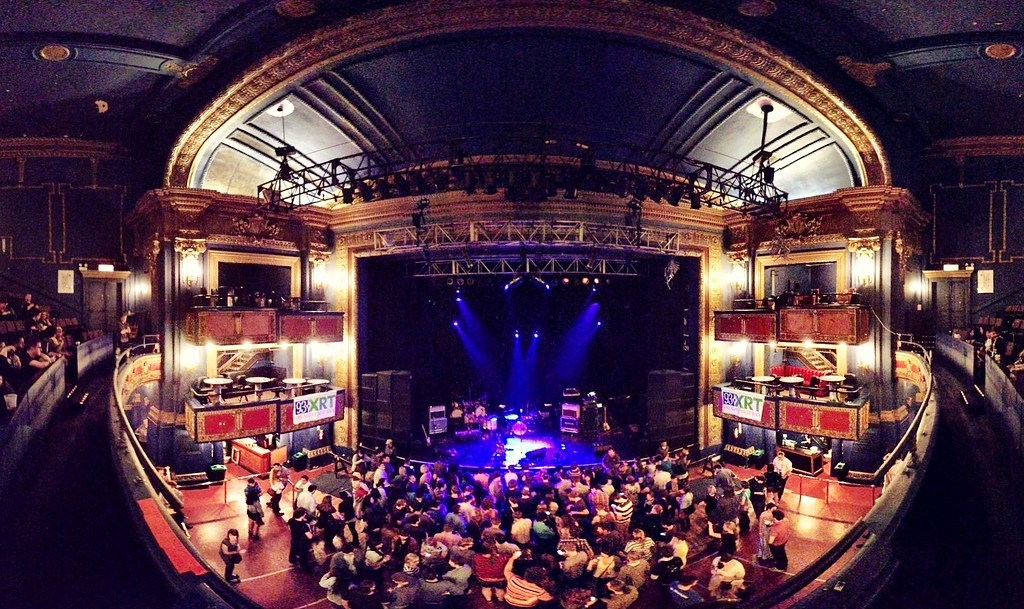
In the early 1980s, a half-million dollars was spent on a complete restoration and modernization of the theater to create a comfortable atmosphere for concerts. The ground-floor seating was replaced with four tiers of cabaret-style tables. The marble floors and stairs were also restored, and almost all of the original decorative wall sculptures had remained untouched for decades, allowing the space to retain much of its original splendor. After extensive renovations, the venue ultimately reopened as a live entertainment spot.
The new version of the Vic Theatre, as it was now called, was initially planned by Lou Valpano. Its opening was a huge success, kicking off with the 25th anniversary of The Second City, which was taped for an HBO special.
In 1986, Steve Jarvis and Ted Gentry secured a management deal for the Vic, investing in further upgrades and launching ClubLand, a music video dance club where guests could dance on the stage after concerts, bringing in a new crowd on nights when no concerts were scheduled. Over time, this “concert plus nightclub” format was expanded to Houston, Detroit, and New York.
In 1987, Jam Productions began its long career as a concert promoter at the Vic. In 1988, Michael Butler staged the musical “Hair” at the theater to celebrate the show’s 20th anniversary. The production ran through February 1989.
ClubLand closed in January 1990, and the owners partnered with Tom Doody and Associates to open The Catwalk, a new, but short-lived, nightclub in the Vic. In the mid-1990s, when there were no concerts, Brew & View was added, showing second-run and cult classic films. This incarnation of the Vic Theatre lasted for over 20 years.
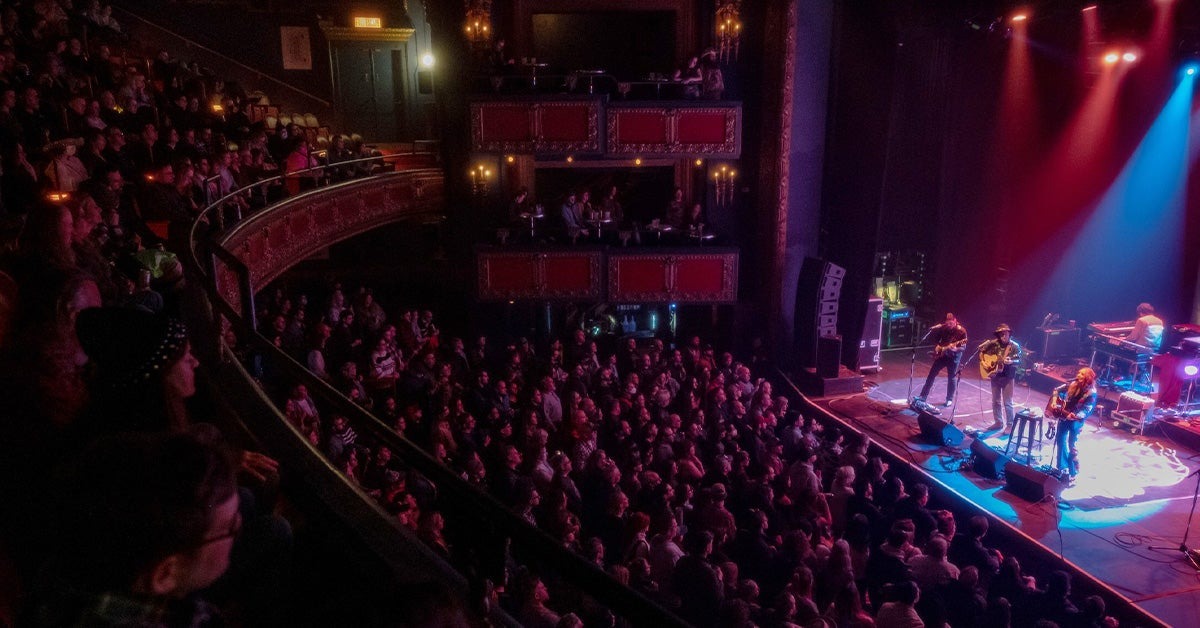
Despite all the changes and different programming concepts, live music remained an important part of the theater. In 2000, Jam Productions acquired the Vic, promising to host a wide range of concerts in all genres, including rock, blues, and comedy. In the years that followed, the theater became one of Chicago’s most popular music venues.
Since its revival in the mid-1980s, over 2 million people have attended nearly 2,000 events at the Vic. Over the years, countless famous musicians have graced its stage, including Rock and Roll Hall of Fame members Bob Dylan and Paul Simon. In addition, comedy legends Eric Idle, Richard Lewis, and Chris Hardwick have entertained audiences with their talent.
After all its struggles, the Vic Theatre has not only survived but thrived. Every day, music fans flock to see their favorite performers, solidifying the theater’s reputation as a cozy, historic, and well-loved Chicago landmark. The city’s residents are proud to have a place where they can unwind, enjoy great music, and create lasting memories.