Among the countless theaters in Chicago, The Harris Theater for Music and Dance stands out as one of the most popular. Its secret? The stage hosts some of the country’s top musicians and dancers, showcasing their incredible performances. Let’s take on chicago-trend.com a closer look at the history and unique features of this theater.
A Land of History and Culture
The Harris Theater for Music and Dance is built on the ancestral lands of the Council of Three Fires: the Ojibwe, Odawa, and Potawatomi nations. Many other tribes, including the Miami, Menominee, and Fox, also considered this area their home. This region has long been a central gathering place where native peoples came together to trade and connect. Today, Chicago is home to one of the largest urban American Indian communities in the United States, and its members continue to enrich the city’s life and culture.
The mission of the Harris Theater is to be the premier home for music and dance in Chicago. This idea was brought to life over 40 years ago by a handful of visionary women. The modern theater is a testament to the vital role that art plays in the life of Chicago.
A Long and Arduous Journey to the Spotlight
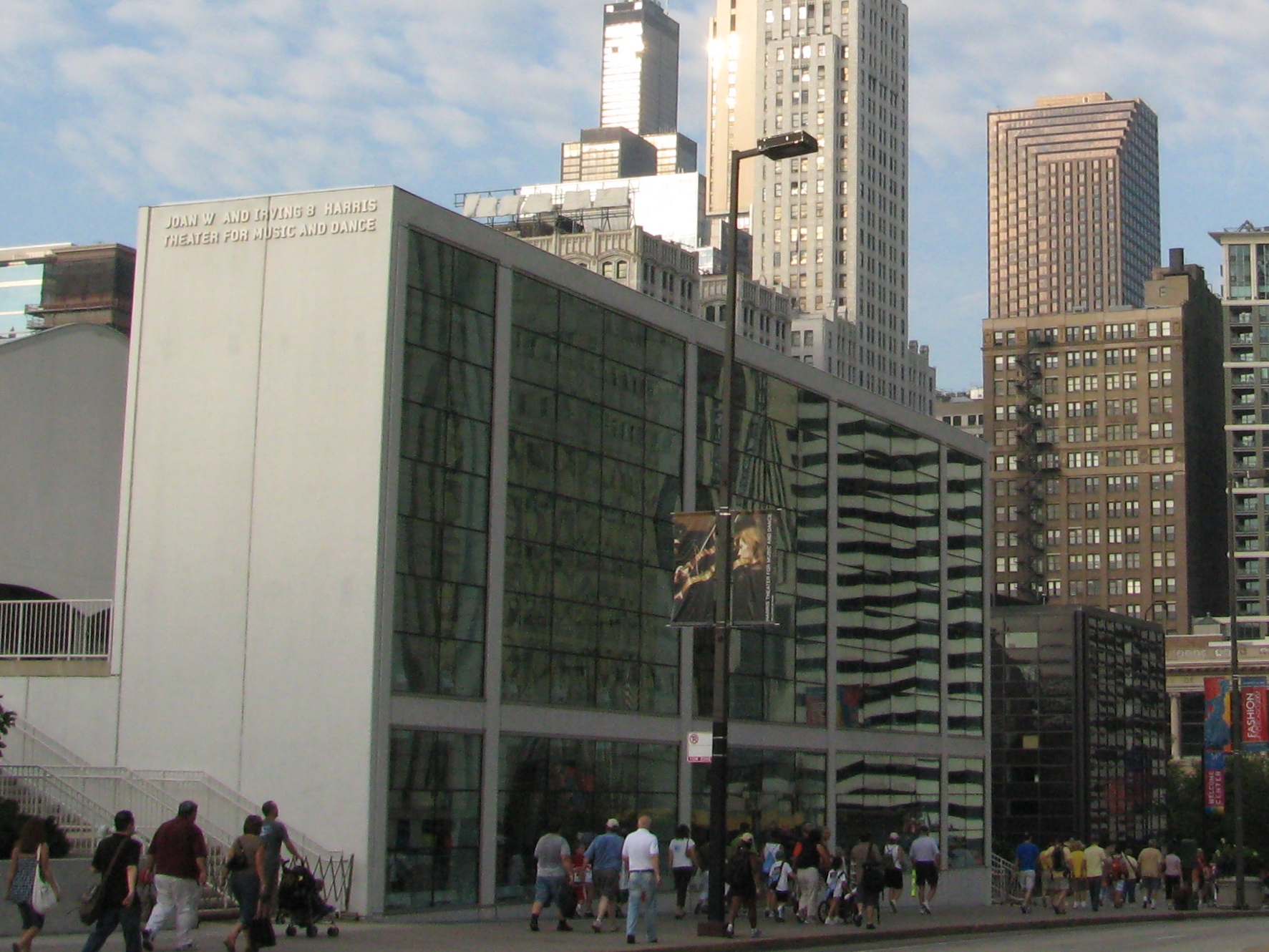
The story of the Harris Theater began in the 1980s, a time of explosive growth for Chicago’s performing arts scene. Dozens of new music, dance, and theater companies were emerging, while established organizations were flourishing. However, the city was missing a suitable venue for mid-sized troupes.
The leaders of these companies formed a coalition to lobby for a new performance space. Their efforts seemed to be in vain, as a venue that met their artistic needs didn’t exist, and theater owners and sponsors couldn’t or wouldn’t invest in creating one. People resigned themselves to the situation but never stopped dreaming of a solution.
In 1990, the John D. and Catherine T. MacArthur Foundation published “The Arts in Chicago,” a study that confirmed the city’s arts community desperately needed a space to support its successful theater companies and audiences. In terms of attendance and variety, Chicago’s artistic scene had never been stronger, boasting nearly 100 music ensembles and 50 dance troupes.
With strong backing from the Chicago Community Trust and many others, an advisory board was formed. They commissioned three additional studies that clarified the action plan for creating the new theater. These studies surveyed artists, administrators, technical staff, and local residents, all of which helped to define what the ideal performance space should look like.
In 1993, the board was officially incorporated as Music and Dance Theater Chicago (MADTC), with 12 local troupes set to perform in the future venue. With the study results in hand, MADTC began interviewing architects. Given the project’s importance to Chicagoans, the board focused on local firms. The construction contract was awarded to the architectural firm Hammond Beeby Rupert Ainge.
By 1996, MADTC had successfully raised $20 million for the project through private sources and foundation grants, along with an additional $10 million from the Illinois Build Program. With funding secured, they began scouting locations. Ultimately, they chose a site at City Front Center, right on the riverfront. Construction was planned for the spring, with a grand opening scheduled for late 1997.
Negotiations and challenges persisted, causing repeated delays. Eventually, facing space limitations imposed by the Chicago Dock and Canal Trust, the board abandoned the site. The future looked uncertain.
Unwilling to give up, the search continued. After considering several sites on State and Congress Streets, the board learned about the expansion of Grant Park north of the Art Institute. The plan was to create a large number of public green spaces for residents. The Millennium Park project leaders believed that MADTC would be a perfect fit for the new park.
And so, the theater found its home on the park’s south side, next to the Pritzker Pavilion designed by Frank Gehry. For nine months of the year, it would be home to resident companies, while in the summer, it would host the Grant Park Music Festival.
The path to opening was still far from smooth, with significant funding problems and construction delays. Millennium Park pushed back its opening from mid-2002 to the fall of 2003. At the last minute, the MADTC board learned that banks had rejected their applications for construction loans. That’s when Joan and Irving Harris made their now-legendary investment, providing a $24 million construction loan and a $15 million donation. At the time, this was the single largest monetary gift to a Chicago performing arts organization.
Construction and a Grand Opening
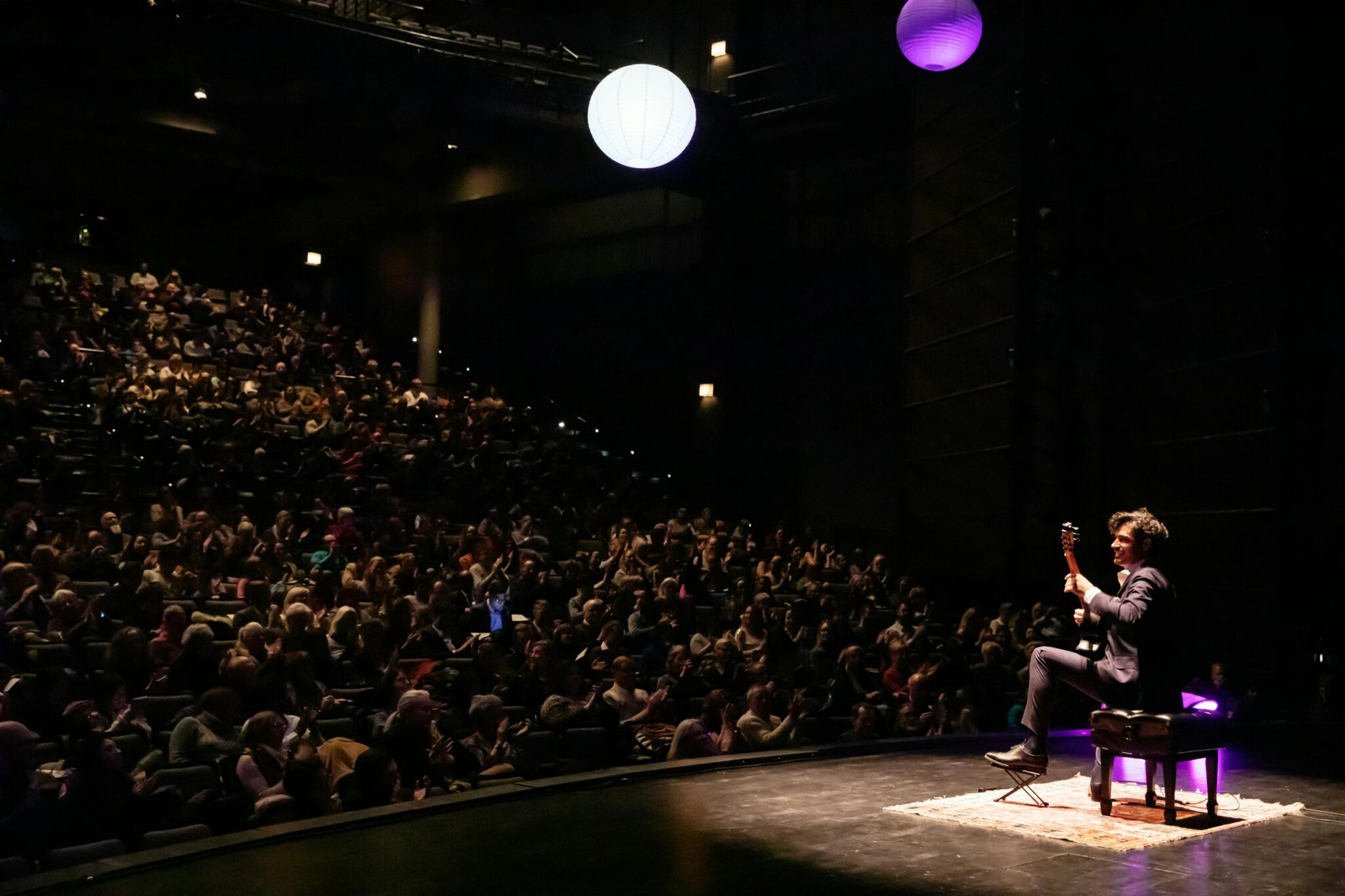
On February 6, 2002, construction began on the first multi-use concert hall in downtown Chicago. Meanwhile, Millennium Park was also taking shape, with a design that blended the traditional with the contemporary, featuring works by world-renowned artists and architects. On November 8, 2003, The Harris Theater for Music and Dance, with its 1,525-seat capacity, opened its doors with a spectacular gala performance featuring the diverse performing arts groups that now proudly called it their home.
In 2006, the theater’s programming expanded with a long-awaited return of the New York City Ballet to Chicago. It was a massive undertaking, but the staff knew this show and others like it would strengthen the theater’s reputation and boost the popularity of its resident troupes. The event was a smashing success, selling out to a nearly full house and kicking off the Harris Theater Presents series. Since that first presentation, Harris Theater Presents has grown to include six distinct series, bringing world-famous artists and ensembles to Chicago.
The Evolution of Music and Dance Theater
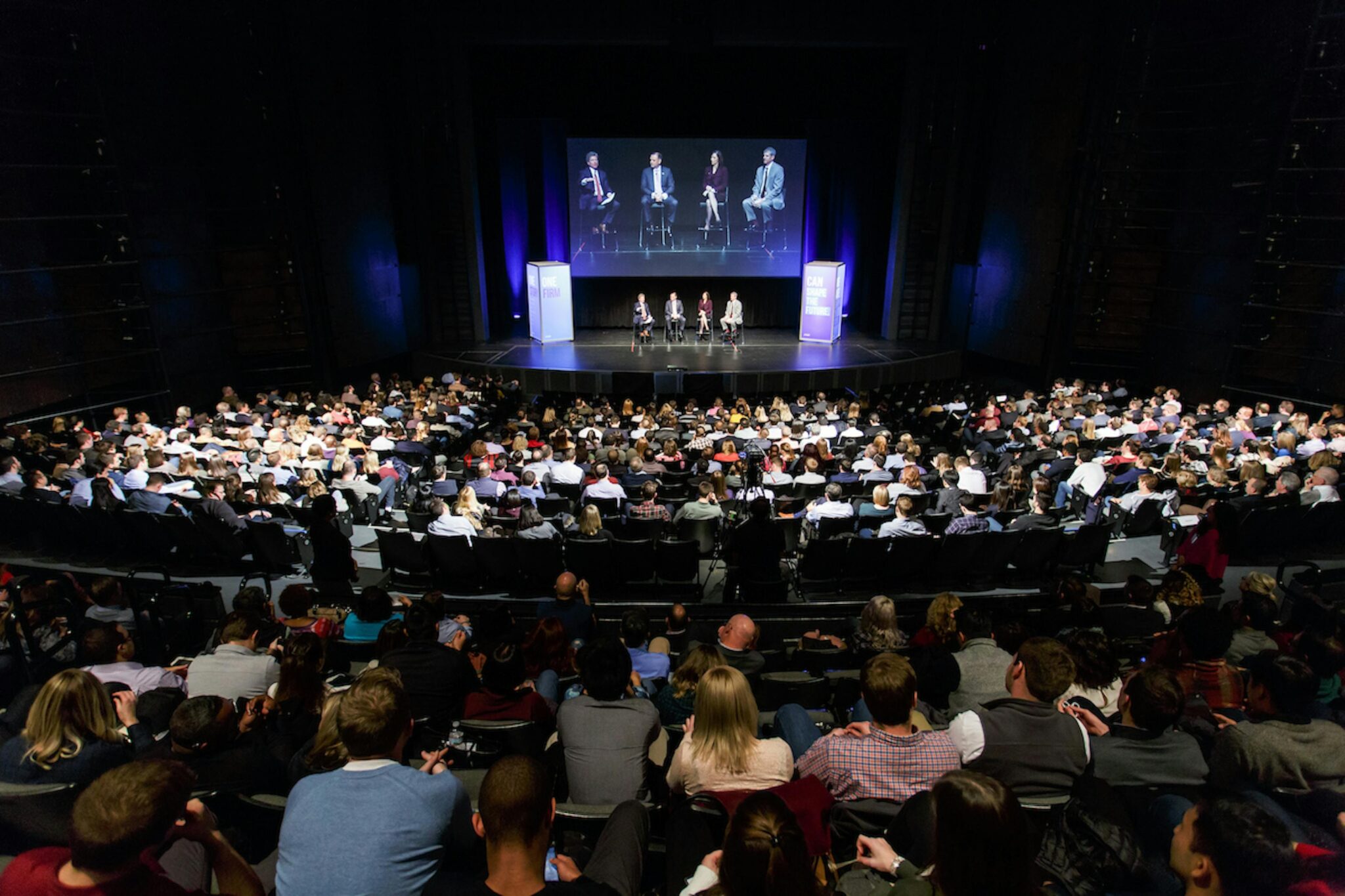
In addition to the HTP Mainstage evening shows, the theater launched its Family Series, offering daytime performances for audiences of all ages. In 2012, Music and Dance Theater Chicago began a landmark collaboration with the Chamber Music Society of Lincoln Center and a week-long presentation of the Paris Opéra Ballet for the troupe’s Chicago debut, which included a free simulcast in Millennium Park for more than 12,000 Chicagoans. In the following years, the theater launched the “Beyond the Aria” series, which was presented on the stage at the Pritzker Pavilion.
In 2018, to celebrate the theater’s 15th anniversary, its founders Sandra Guthman, John Harris, and Sarah Meers shared their memories of the Harris Theater’s origins and history. Today, the theater is led by Lori Dimun and a dedicated board of directors. They continue to ensure the theater remains a welcoming home for music and dance, where every performer feels at home and can showcase their talent on a grand stage. Chicagoans are proud to have a creative hub that not only promotes a love of culture but also provides a fantastic place to enjoy captivating performances.