The Studebaker Theater is a popular Chicago hotspot, drawing crowds with its daily lineup of talented actors and musicians. But few people know the fascinating history behind this cultural gem. We’ll dive into the details of its storied past on chicago-trend.com.
The Founding of Studebaker Carriage Company
The story of the Studebaker Carriage Company begins in 1852 in South Bend, Indiana. Founded by five Studebaker brothers, the company quickly became famous for producing some of the finest carriages in the world. By the early 1870s, their success led them to open a warehouse and showroom on Wabash Avenue in Chicago.
In 1885, the company decided to consolidate its workshops and showroom into a new location on Michigan Avenue. They hired architect Solon Beman to design an eight-story building for their headquarters. When it was completed in 1887, the Studebaker Carriage Company hailed it as a model factory. Carriages were assembled on the upper floors and then lowered to the ground floor showrooms for sale. By 1895, the company was expanding so rapidly that management decided to move to a more spacious warehouse and workshop on Wabash Avenue.
A Grand New Building Takes Shape
Before moving in 1897, the company retained ownership of the old Michigan Avenue building. At the urging of Charles Curtiss, they invested more than $500,000 in a major renovation, transforming it into a perfect hub for artists with studios, offices, and theaters. This large-scale reconstruction led to the creation of Chicago’s most unique center for arts and culture in 1898—the Fine Arts Building. Once it opened, artists, musicians, artisans, and social clubs flocked to its studios, and the building quickly became the center of a diverse artistic and social movement.
One of the Fine Arts Building’s defining features was its spirit of collaboration and community. Many of the building’s first tenants were part of the same social circles, regularly gathering in its studios, from the Little Room to the Chicago Women’s Club. The connections made here allowed these artists to support, influence, and inspire each other’s work.
For example, in 1901, the Leyendecker brothers—illustrators with offices on the 10th floor—curated a large project to create murals for the stairwell walls. All the panels shared a background of shimmering gold and were painted in the Art Nouveau style. Ralph Clarkson, Oliver Grover, and others made huge contributions to the panels, which remain in the building today.
During this period, many of the building’s most famous historical residents walked its halls: sculptor Lorado Taft and architect Frank Lloyd Wright. The Fine Arts Building was also a crucial hub for women’s organizations, housing the headquarters of the Chicago Women’s Club, the Fortnightly, and the Cordon Club. These organizations often focused on social improvement and state reform. For example, members of the women’s club, including Julia Lathrop and Jane Addams, were so influential that they largely contributed to the passage of the Juvenile Court Act, which established the first juvenile court in the United States.
The Studebaker Theater Opens
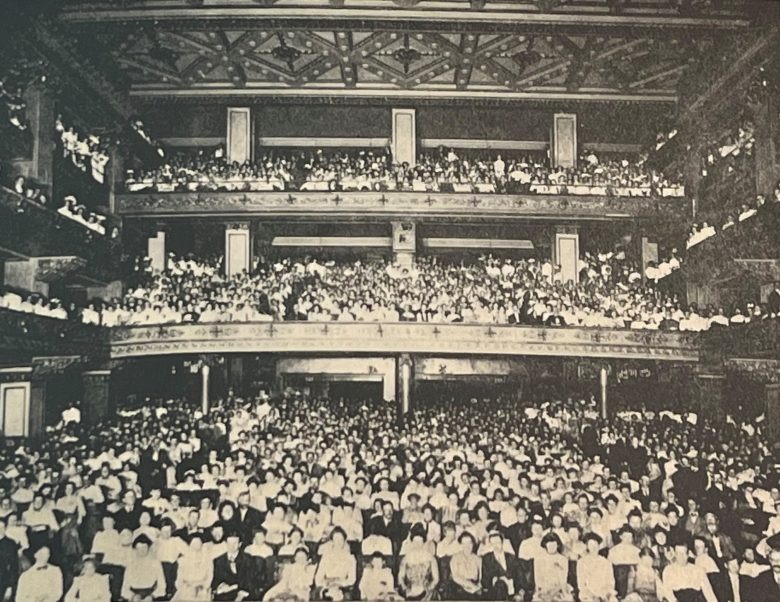
In 1898, the former Studebaker Carriage Company showroom on the ground floor was transformed into the Studebaker Theater, with a seating capacity of 1,550. Its inaugural performance was a piano concert by pianist Fanny Bloomfield-Zeisler, and the Studebaker Theater quickly became known as a leading music venue. In its early years, it hosted operas by the Castle Square Opera Company, comedies by George Ade, who was a tenant in the Fine Arts Building, as well as symphonies and vaudeville acts.
In 1917, the Studebaker Theater underwent a major renovation led by the Shubert organization and architect Andrew Rebori, which completely changed the theater’s architecture. The work expanded the proscenium arch, rebuilt the side walls, and added a new main floor and balcony, though the ceiling remained the same.
The stock market crash of 1929 and the death of Charles Curtiss, the Fine Arts Building’s first manager, marked a new era for the building. The 10th-floor auditorium was renamed Curtiss Hall in his honor. This era was defined by the proliferation of community organizations in the building, many of which held regular meetings, lectures, and hosted visiting artists and concerts. The Cordon Club, a women’s organization, had its offices in the building until 1960 and hosted artist talks, exhibitions, and literary discussions. The Music Women’s Club held concerts in Curtiss Hall.
During this time, the Studebaker Theater’s stage was home to both local and touring companies. The most notable productions included Mulatto, The Corn is Green, Catherine the Great, and Lute Song. Beginning in 1944, the Central Church held Sunday services at the Studebaker Theater. From 1950 to 1955, the theater became the home of the NBC Studios show Cavalcade of Stars, which was broadcast live from the venue.
In 1956, Bernard Sahlins founded the Studebaker Theatre Company. His goal was to create a popular repertory troupe at the Studebaker that would stage classic and modern plays with talented Chicago actors. Due to financial difficulties, the company closed in 1957, but less than two years later, Sahlins became one of the founders of The Second City. After this, the Studebaker Theater began hosting touring shows featuring such famous stars as Martin Sheen, Eartha Kitt, Henry Fonda, and Rex Harrison.
A Collapse and a Revival
The late 20th century was a difficult time for the Fine Arts Building, and by the end of the 1970s, nearly 60% of its spaces were empty. In 1979, artist Tom Graham purchased it, and the building became a haven for musicians, especially string instrumentalists, with many excellent string instrument makers, dealers, and restorers.
In 1982, M&R Amusement Company converted the Studebaker Theater and the smaller World Playhouse theater in the Fine Arts Building into the Fine Arts Theatres multiplex. Initially, the new multiplex mainly showed art and independent films, but in 1988, M&R sold its movie theater chain to Loews, which switched to showing mostly Hollywood films. The complex closed in 2000, and the Studebaker Theater sat empty.
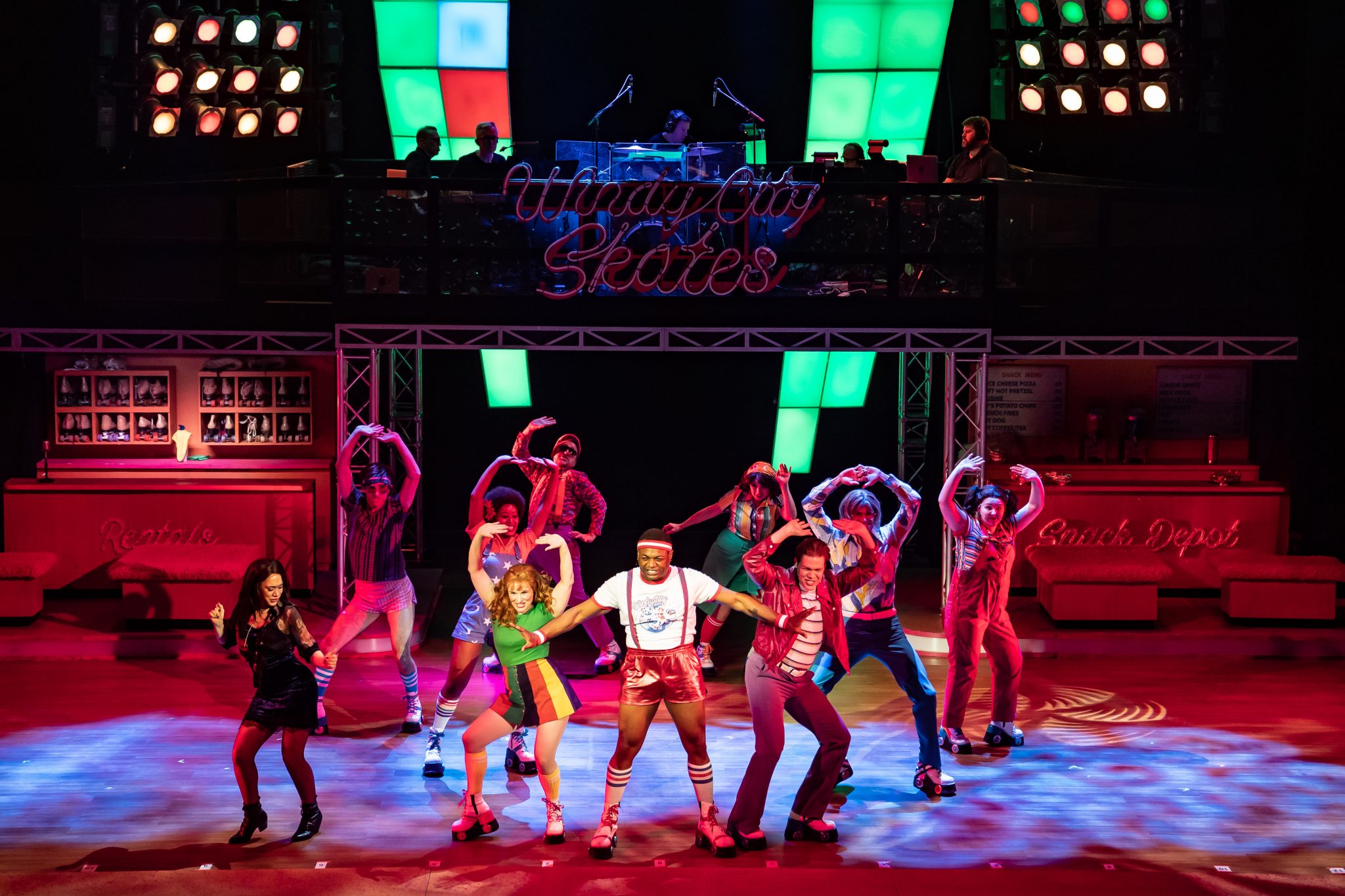
In 2021, a large-scale restoration of the Studebaker Theater began, with new seats, a two-level booth, and modern lighting and sound equipment installed. The renovation equipped the theater with modern technology while preserving and highlighting its iconic historical architecture. The grand opening of the theater took place in 2022. At the time, it hosted the show “Wait Wait… Don’t Tell Me!” and the Chicago International Puppet Theater Festival. Audiences also enjoyed musicals from the Chicago Opera Theater and performances by the Chicago Jazz Orchestra. The Studebaker Theater continues to thrive, delighting Chicagoans with unique shows, musical acts by famous artists, and plays.