


In a world where classical music was predominantly the domain of white men for decades, Florence Price achieved the seemingly impossible. In 1933, her Symphony No. 1 was performed by the Chicago Symphony Orchestra, marking the first time a major work by an African American woman was played by a professional orchestra of such stature. Her strength resonated through her music, a captivating blend of African American spirituals, Southern rhythms, European classical forms, and profound human empathy. For more, visit chicago-trend.
Biography
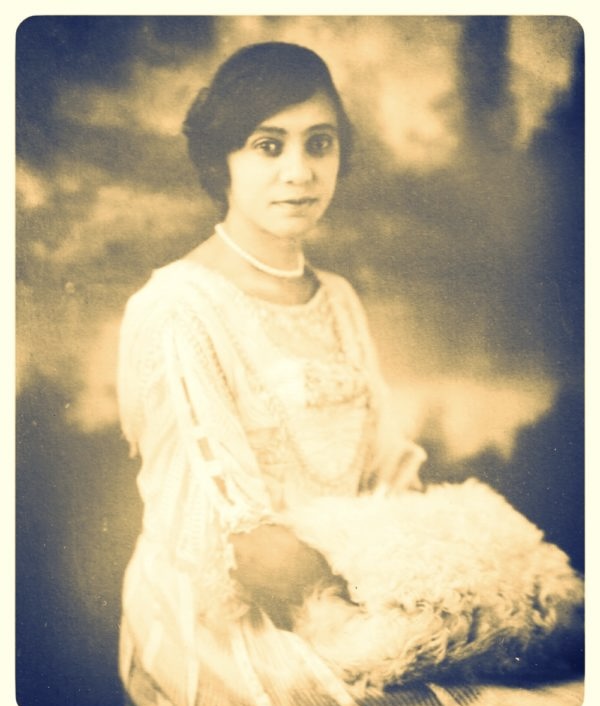
Florence Beatrice Price was born on April 9, 1887, in Little Rock, Arkansas, into a family rich in cultural and intellectual traditions. Their home often echoed with classical pieces and traditional African American songs, gradually shaping Florence’s deep musical sensitivity. Growing up amidst harsh racial segregation, Price’s family belonged to the educated African American middle class, granting her the rare opportunity to receive a solid education. She attended an integrated school, even though local authorities officially banned mixed-race education by 1903. At 14, Florence brilliantly completed her secondary education as the school’s top student and headed to Boston to further her studies at the New England Conservatory of Music. Upon admission, Price, fearing discrimination, indicated on her documents that she had Mexican heritage.
In Boston, she studied organ, piano, and composition. Despite this academic foundation, Florence gradually forged her own distinctive style, rich with explicit references to African American musical heritage. Her compositions at the time already showcased a unique synthesis: the strictness of classical form infused with the emotional power and deep rhythms characteristic of blues and gospel, and the intonations of African dances. In 1906, she graduated from the conservatory with degrees in piano and organ, along with a teaching certificate. Even then, she had composed several piano miniatures and chamber works, demonstrating her ability to integrate her own experiences into the canons of Western music. After her studies, she returned South, where she taught for a time at colleges for African American students.
Music as Resistance
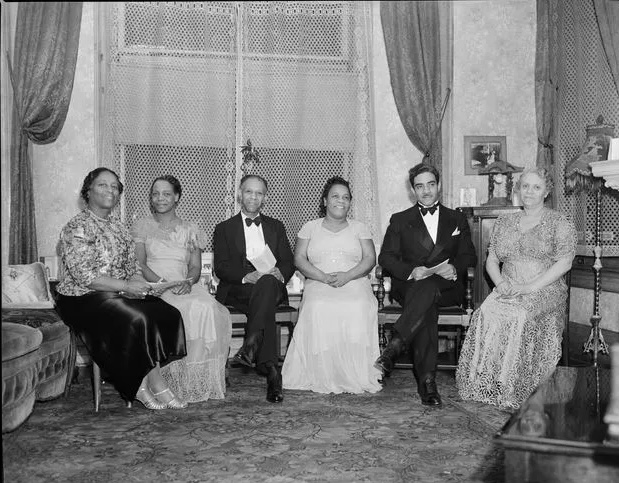
After marrying attorney Thomas Price and teaching at music schools in the South for several years, Florence Price and her family moved to Chicago. After a few years of marriage, her relationship with her husband began to deteriorate. In 1931, she filed for divorce, accusing him of cruelty and psychological abuse. The divorce, financial hardships, and the need to support her children (two daughters, one of whom died as an infant) compounded her struggle for recognition in the music world. For a period, Price was forced to take on odd jobs, teaching music, writing popular arrangements under a pseudonym, and renting out rooms in her home.
It was in Chicago that Price experienced a creative rebirth. She participated in competitions, met composer Margaret Bonds and writer Langston Hughes, and became involved in Black women’s activism and cultural life.
The culmination of this period was her Symphony No. 1 in E minor (1932), with which Florence Price won first prize at the Wanamaker Foundation Awards. Her symphony became the first work by an African American woman composer to be performed by a major symphony orchestra — the Chicago Symphony Orchestra. In this symphony, Price masterfully fused the traditions of European symphonism with the rich timbral palette and rhythms of African American culture. Her music breathed with spiritual hymns, Juba dances, and bluesy intonations. For Florence Price, this was music of resistance, self-identification, and a tool in the fight for not only personal but also widespread cultural recognition. In an era when African American artists often felt compelled to mimic European canons, she openly embraced her heritage. Her work from the 1930s demonstrates her capacity to compose at the level of the greatest composers of her time while remaining deeply rooted in the African American experience.
Creative Endeavors
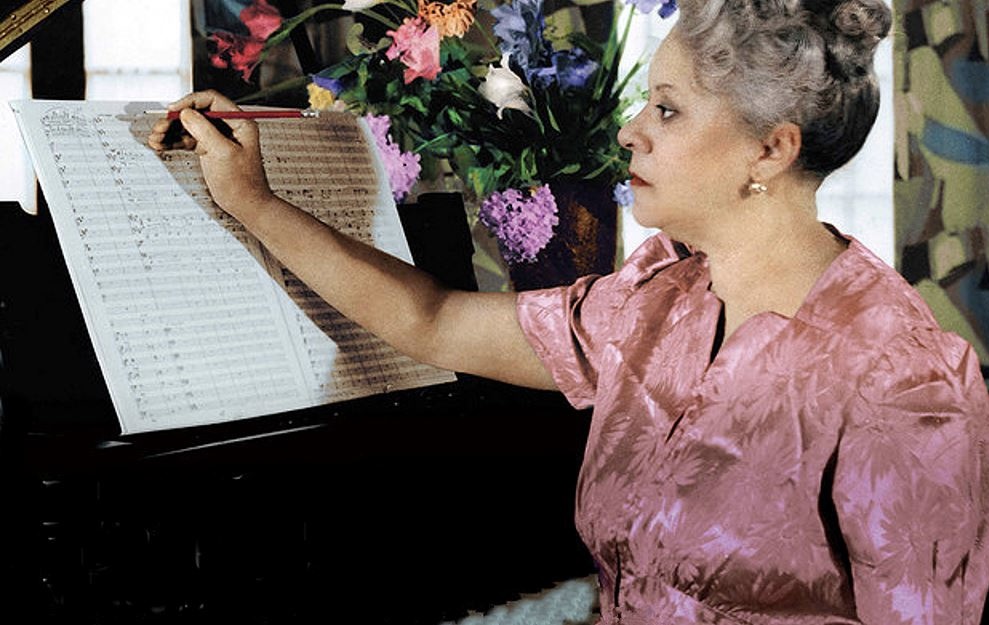
Florence Price didn’t rest on her laurels after her symphonic breakthrough. She continuously composed, writing new symphonies, chamber music, piano pieces, choral works, vocal cycles, and arrangements of spirituals. A highlight of her legacy is her vocal arrangement of the spiritual “My Soul’s Been Anchored in the Lord,” famously performed by Marian Anderson. This powerful piece, imbued with strength, dignity, and spiritual resilience, became a musical manifesto and a poignant reminder of the deep roots from which American music grew.
Florence Price collaborated with many renowned performers, including pianist Margaret Bonds and various African American church choirs. Her works were performed in the most prestigious venues, though not as frequently as her genius deserved. In the 1940s, despite chronic financial difficulties, Price completed several more symphonies, piano concertos, and orchestral overtures. Her manuscripts were often rejected or simply forgotten. Some languished in archives for decades until they were rediscovered in the 21st century.
Oblivion and Recognition
Florence Price passed away on June 3, 1953, in Chicago, leaving behind a rich musical archive but without the widespread recognition she deserved. In post-war America, classical music remained a conservative sphere, largely dominated by white men. Even the highest achievements of a Black woman composer simply didn’t fit the established canon. Price virtually vanished from musical memory: her work wasn’t studied in universities, her symphonies weren’t performed, and her name wasn’t mentioned in encyclopedias.
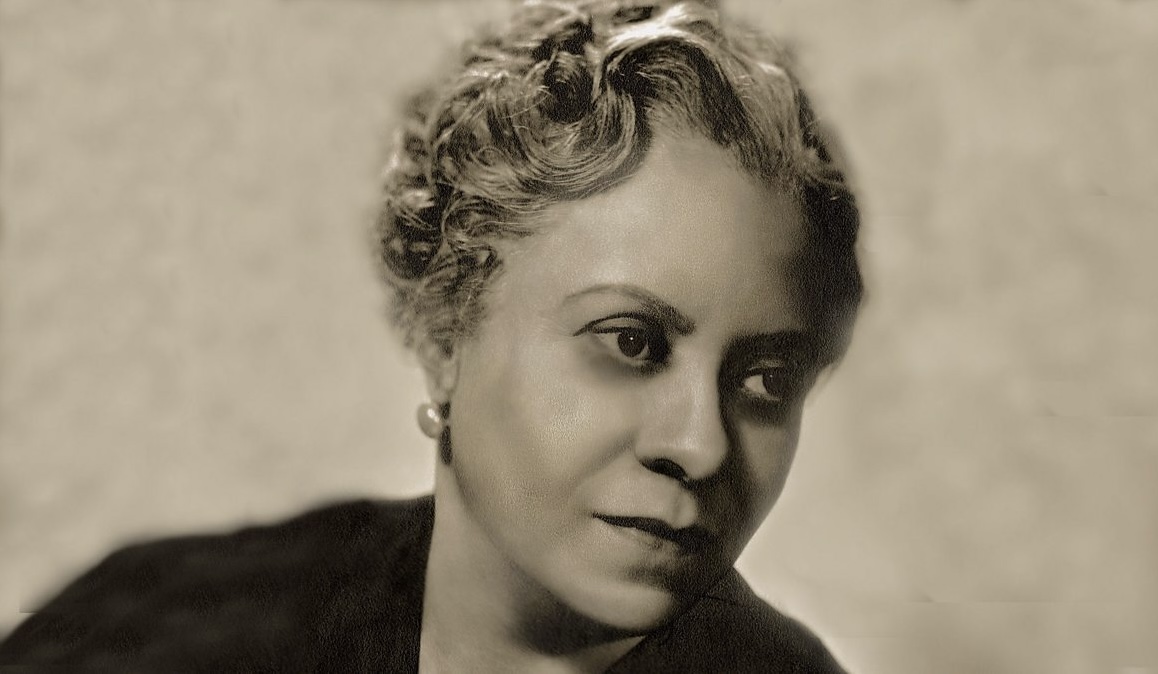
The situation dramatically shifted in 2009 when boxes of her manuscripts, many believed lost, were accidentally discovered in her abandoned summer home in Illinois. Price often wrote about loneliness, discrimination, and her struggle for recognition. In her notes, she spoke candidly about the immense challenges of being a woman, an African American, and a composer in the U.S. during the 1930s and 1940s. She pondered the composer’s role in society, sources of inspiration, and the influence of spirituals, folklore, and classical music on her style. In her diaries, she frequently turned to religion, internal ethics, and the power of prayer. This spiritual dimension often echoed in her music. Following the discovery of her diaries and manuscripts, over 200 of her works were restored, including symphonies, chamber music, songs, piano compositions, and choral pieces. The musical world was given a chance to re-evaluate its priorities. Since then, Florence Price’s works have begun to return to stages. Her music has been performed by leading U.S. orchestras. Her portrait now appears on program covers, in music textbooks, and on concert posters. In 2023, her name was inducted into the American Classical Music Hall of Fame.
Florence Price left behind over 300 works, ranging from monumental symphonies to intimate vocal miniatures, from dance suites to concertos for piano and organ. She worked across numerous genres: symphonic, choral, chamber, spiritual, and theatrical. Her example has become significant not only for musical history but also for a broader cultural understanding of inclusion, diversity, and the fight for justice in the arts.
Sources: