


More than just one of America’s premier orchestras, the Chicago Symphony Orchestra (CSO) is a global musical powerhouse that has shaped the landscape of classical music for over a century. Renowned for its powerful sound, technical brilliance, and profound interpretations of both classical and contemporary repertoire, the CSO is a source of immense pride not only for Chicago but for the entire United States. Keep reading for more on chicago-trend.
A Century of Sound: The Chicago Symphony Orchestra’s Legacy
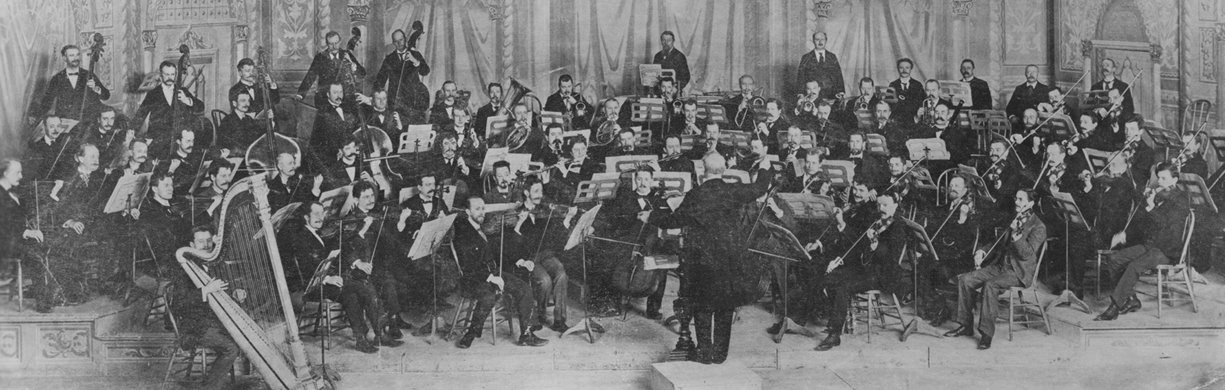
The Chicago Symphony Orchestra was founded in 1891 under the baton of German conductor Theodore Thomas, one of the most influential musical figures of his era in America. Thomas, an immigrant from Germany, already boasted a stellar career as a violinist, conductor, and promoter of classical music. He firmly believed that the United States deserved a world-class orchestra — not a mere copy, but a distinct institution imbued with an American spirit and European discipline.
Thomas didn’t just assemble the best available musicians; he set an ambitious goal: to cultivate an American audience truly capable of appreciating symphonic music. In its very first seasons, the orchestra performed works by Wagner, Bruckner, Beethoven, and Brahms — composers who were, at the time, not yet commonplace in American concert life. Thomas’s programs often included lectures, explanations, and public addresses to listeners; he aimed to create not just a show, but a significant cultural event. In 1905, the orchestra embarked on its first major European tour, a rare accomplishment for an American ensemble of that period, solidifying its international reputation. In 1904, with the support of Chicago’s business leaders and philanthropists, Orchestra Hall was built. Architect Daniel Burnham designed the structure with both aesthetics and acoustics in mind, allowing the orchestra to produce exceptionally clear and full-bodied sound. After Thomas’s death in 1905, the orchestra came under the leadership of Frederick Stock, another German musician who continued his mentor’s pioneering work.
Maestros Who Shaped a Legend
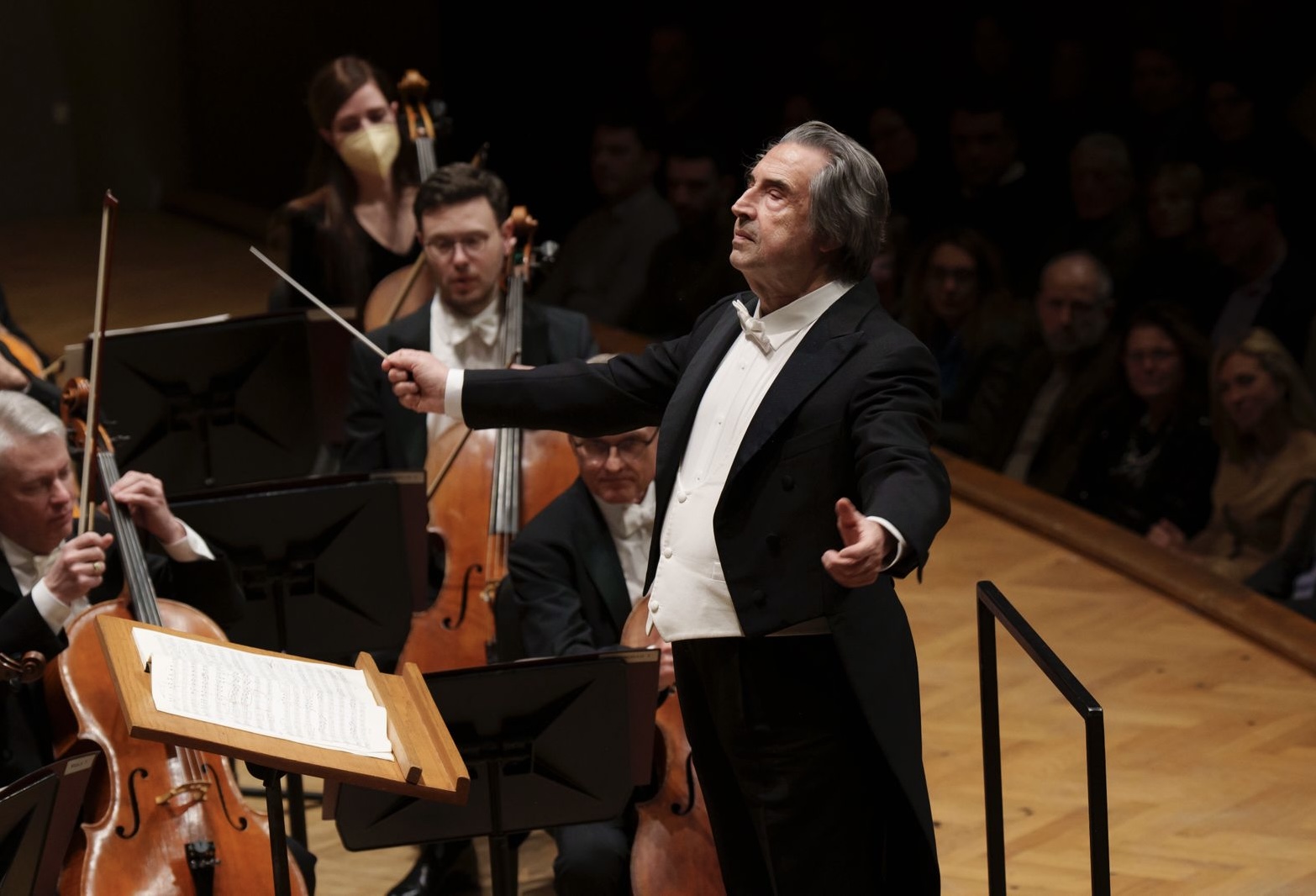
The Chicago Symphony Orchestra boasts a unique tradition of collaborating with world-class conductors, each leaving an indelible mark on its history, shaping the ensemble’s sound and artistic identity. Every era of leadership for the orchestra represents a distinct chapter in a grand musical narrative, blending technical excellence, diverse repertoire, and profound spiritual depth.
Frederick Stock, a protégé of Theodore Thomas, took the helm after his mentor’s passing, preserving his spirit of innovation while adding a greater emphasis on expanding the repertoire. It was Stock who first introduced works by then-contemporary composers to the Chicago Symphony Orchestra’s programs. He also actively commissioned new pieces from American composers, establishing the orchestra as a platform for premieres. During his tenure, complete symphonic cycles were recorded for the first time, thanks to advancements in phonograph recording.
Fritz Reiner, a Hungarian by birth and a pedagogue at heart, transformed the orchestra into a finely tuned instrument. His leadership was characterized by strict discipline, meticulous preparation, and emotional control. It was under his direction that the orchestra first appeared on television in the program “Chicago Symphony in the Spotlight.”
Georg Solti, the Hungarian-British maestro, elevated the Chicago Symphony Orchestra to the status of a global brand. He set an ambitious goal for the ensemble: to be the best in the world. Under his leadership, the orchestra earned an astounding 31 Grammy Awards, and Solti entered the Guinness Book of World Records as the conductor with the most recordings.
Argentine-Israeli maestro Daniel Barenboim brought intellectual depth and a philosophical approach to interpretation to Chicago. He introduced new formats, ranging from concerts with in-depth analyses of works to programs dedicated to political and cultural themes.
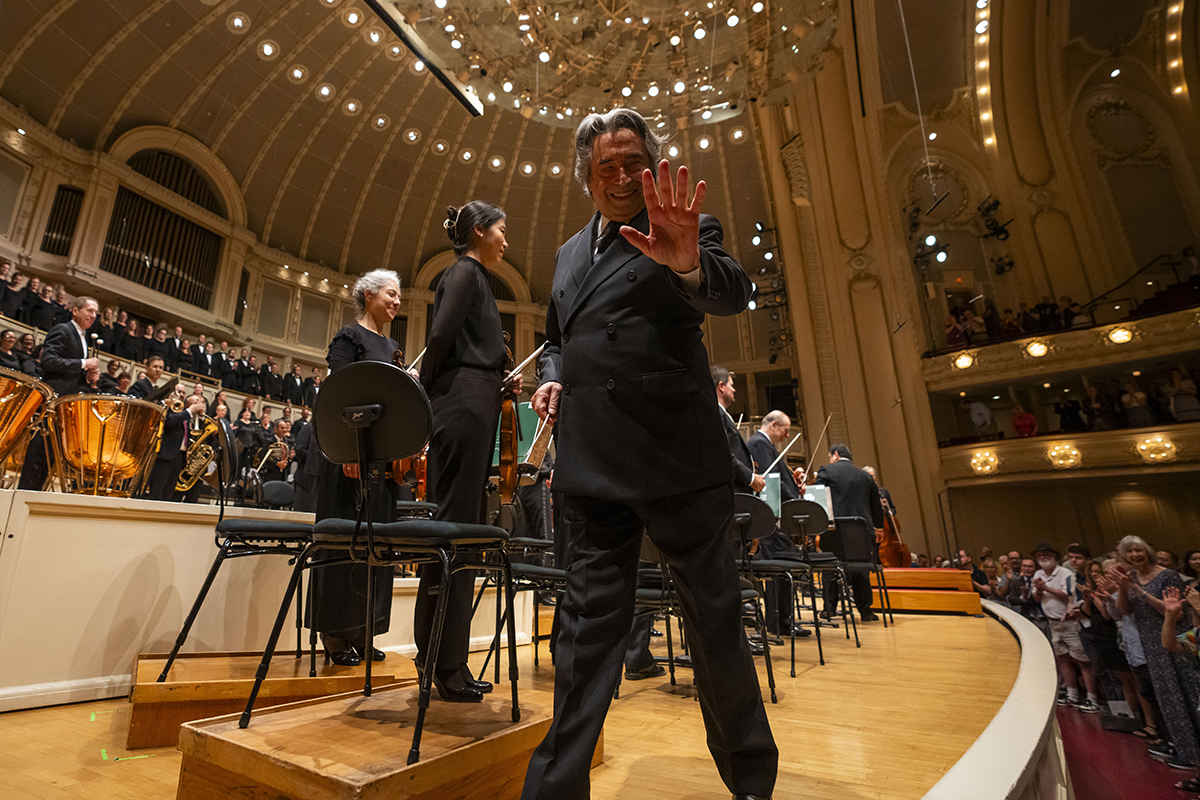
Italian maestro Riccardo Muti emphasized emotionality, natural phrasing, and a deep connection with the audience. Muti highlighted the orchestra’s social role, frequently performing at memorial events, humanitarian initiatives, and educational programs.
The Musicians Behind the Magic
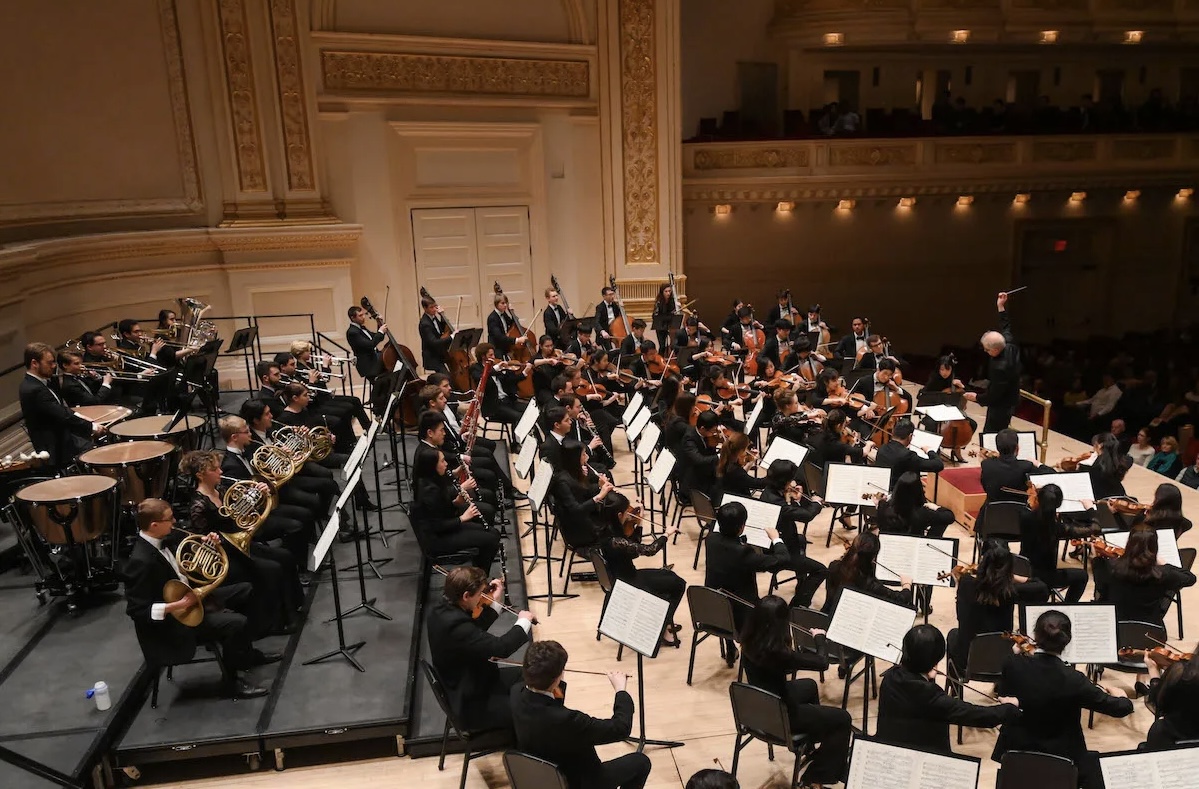
The Chicago Symphony Orchestra is a large symphonic ensemble comprising around 100 top-tier musicians. The heart of any symphony orchestra is its string section, and in the CSO, it stands out for its cohesion, warm, full-bodied timbre, and virtuosic technique. The woodwind section is considered one of the best in the world for the individual mastery of its musicians. The flutes, oboes, clarinets, and bassoons in the CSO not only play orchestral parts but also frequently perform solo passages with exquisite precision and flexible sound. The brass section is one of the CSO’s hallmarks, known for its “metallic” brilliance, power, and impeccable intonation. The CSO also includes parts for piano, organ, and harpsichord, used depending on the repertoire.
Although the orchestra is an instrumental ensemble, it is complemented by the Chicago Symphony Chorus. The choir participates in performances of large-scale vocal-symphonic works. Every musician in the Chicago Symphony Orchestra undergoes a rigorous audition process. The ensemble comprises laureates of international competitions and graduates of leading conservatories in the U.S., Europe, and Asia.
A Repertoire Beyond Boundaries
The Chicago Symphony Orchestra’s repertoire is a vivid testament to its artistic flexibility, historical depth, and contemporary vision. One of the main pillars of the orchestra’s repertoire is German-Austrian Romanticism, which demands not only technical mastery but also deep emotional resonance. At the same time, the orchestra has never been confined to tradition. Throughout its existence, the orchestra has consistently supported contemporary composers, commissioning and performing new works.
A unique facet of the repertoire is the music of African American composers, from Florence Price to Jessie Montgomery. In the 21st century, the orchestra has consciously expanded its programming policy, including works that were previously overlooked due to racial or social barriers. The Chicago Symphony Orchestra also isn’t afraid to experiment with formats: staged opera productions, interdisciplinary projects integrating visual art, theater, and digital technologies.
Recordings and Global Acclaim
The Chicago Symphony Orchestra is more than just a concert ensemble; it’s a true phenomenon in the world of classical discography. Thanks to a long tradition of studio recordings, which began as early as the 1910s, the orchestra has become one of the most recorded in the world, with over 900 officially released albums, including studio and live recordings spanning masterpieces from nearly all eras of musical history. The orchestra serves as an example of technical adaptability, transitioning seamlessly from vinyl to digital platforms. Through brilliant recordings and a consistent international presence, the orchestra has become synonymous with quality, an example of how academic tradition can harmoniously blend with modern presentation and a global vision.
Beyond its stage performances, the Chicago Symphony Orchestra actively fulfills an educational and social mission, an integral part of its identity. Key programs include “Once Upon a Symphony” (for preschool children), “CSO for Kids” (concerts for youth with interactive explanations), and projects for teenagers in partnership with Chicago schools, where orchestra members directly work with students. Additionally, the orchestra offers online educational series, open rehearsals, virtual concerts, and resources for teachers.
Notably, the orchestra prioritizes inclusivity, collaborating with African American, Latino, and Asian communities in Chicago, and supporting programs in areas with limited access to cultural opportunities.