


It’s not just a name; it’s the voice of an era. Her music embodies a power, passion, and feminine energy that captures your heart from the very first note. With more than fifty years on stage, ten Grammy Awards, and millions of fans worldwide, this is Chaka Khan, a true legend of funk-soul and R&B. Also, learn about rock music in Chicago in the 1960s. More at chicago-trend.
Biography
Yvette Marie Stevens, known to the world as Chaka Khan, was born on March 23, 1953, in Chicago, into a family where music wasn’t just a hobby—it was a way of life. Her father played the saxophone, her mother was a passionate jazz aficionado, and her younger sister, Taffy, also became a singer. From an early age, Chaka displayed exceptional musical sensitivity and stage charisma. She sang in choirs, participated in school performances, and held impromptu concerts in her backyard—it was there she first felt how music could unite people. At 11, she joined the nationalist-oriented Black Panther Party, an experience that shaped her social consciousness and belief in the power of community. It was during this time that Yvette adopted the stage name Chaka, in honor of the African chief Shaka Zulu. The name, from the Swahili language, translates to “fire”—and she has fully lived up to its meaning. The fire in her voice, style, and character would go on to change the course of popular music.
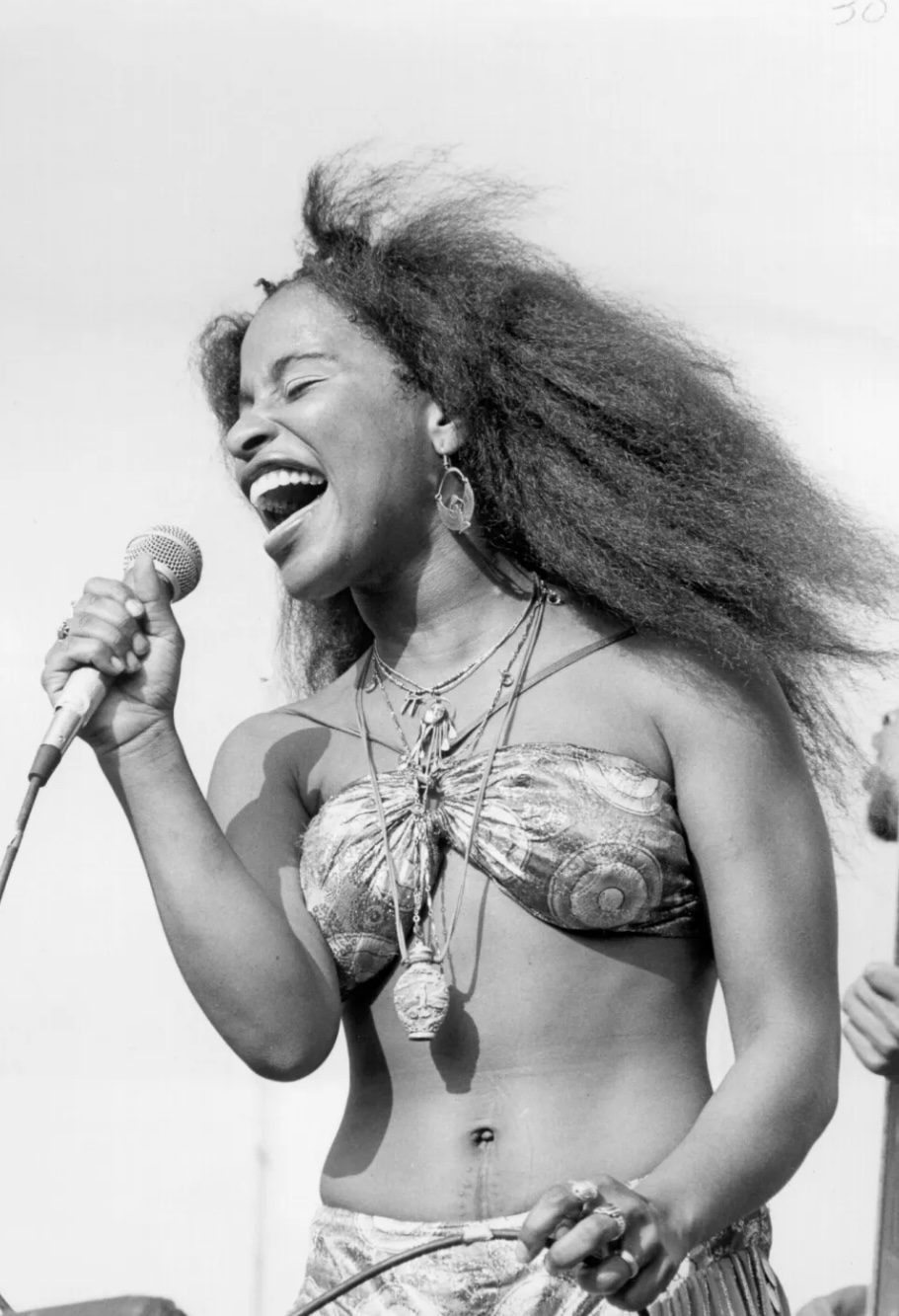
In the early 1970s, Chaka joined the funk band Rufus, with whom she soon began recording albums. Thanks to her deep, expressive vocals and a skillful blend of funk, soul, and rock elements, Rufus quickly gained popularity. The turning point came with the release of the single “Tell Me Something Good” in 1974. The song was written especially for them by Stevie Wonder, who saw a true star in Chaka and sensed her emotional depth. The track was a breakthrough: Chaka’s wild energy, her signature vocal vibrato, and sensual delivery instantly captivated listeners. The song won a Grammy Award and became a funk classic. From then on, Chaka Khan was not just the band’s lead singer but its face and musical core. Her stage charisma, ability to improvise, and bold style made her an icon not only in funk but in all of 1970s pop culture.
Chaka Khan has been married twice. Her first marriage to Hassan Khan gave her not only the surname she kept for the stage but also a daughter, indie singer Milini Khan. Her second marriage was brief and also ended in divorce. Despite personal difficulties, Chaka has always tried to remain strong—as a mother, an artist, and a woman. One of her biggest personal struggles was a long battle with alcohol and drug addiction. She has been to rehab multiple times and has spoken openly about her relapses. Ultimately, she managed to overcome this dark chapter in her life and now actively supports others fighting similar battles.
Solo Career
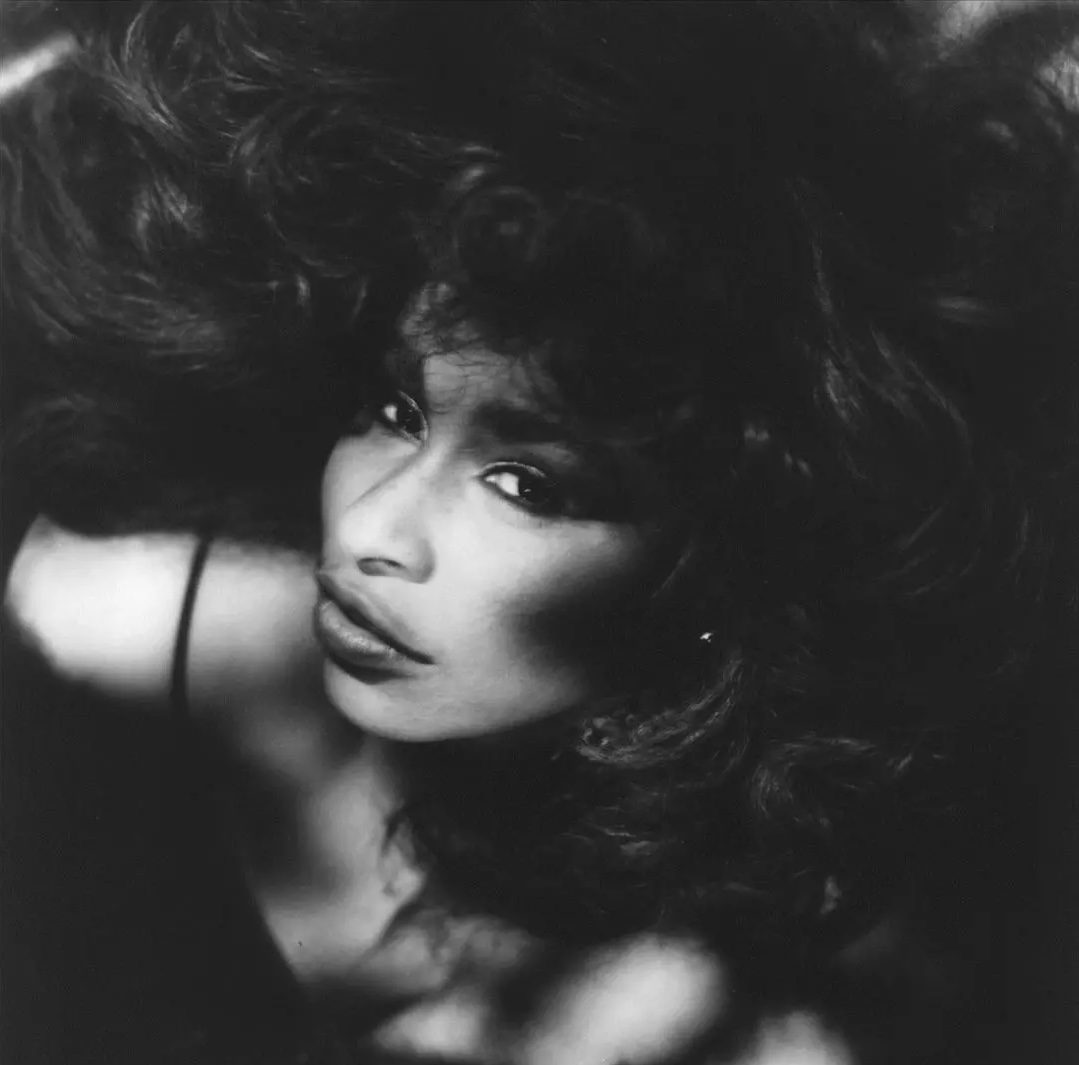
In 1978, at the peak of Rufus’s popularity, Chaka Khan decided to launch a solo career and immediately made a powerful statement. Her debut album, “Chaka,” opened a new chapter in the history of female vocals. The lead single, “I’m Every Woman,” written by the duo Ashford & Simpson, became not just a hit but a cultural manifesto. Blending funk, soul, and disco, the song heralded a new era of female strength, confidence, and freedom of self-expression. The song was later famously covered by Whitney Houston, turning it into a feminist anthem.
In the 1980s, Chaka boldly experimented with different styles, demonstrating remarkable flexibility and openness to new musical trends. She was not afraid to break genre boundaries, bringing together jazz harmonies, funk riffs, and modern electronic elements. In 1981, Chaka recorded a collaborative jazz album, “Echoes of an Era,” with legends like Freddie Hubbard, Chick Corea, and Stanley Clarke, proving that she was not just a chart-topper but a serious vocalist with deep jazz roots. The culmination of the decade was the release of the song “I Feel for You” in 1984. The track became an international smash hit, topping the charts in the U.S., UK, Netherlands, and Sweden. It also earned Chaka another Grammy Award and solidified her status not just as a vocalist, but as an innovator ahead of her time.
The Singer’s Influence
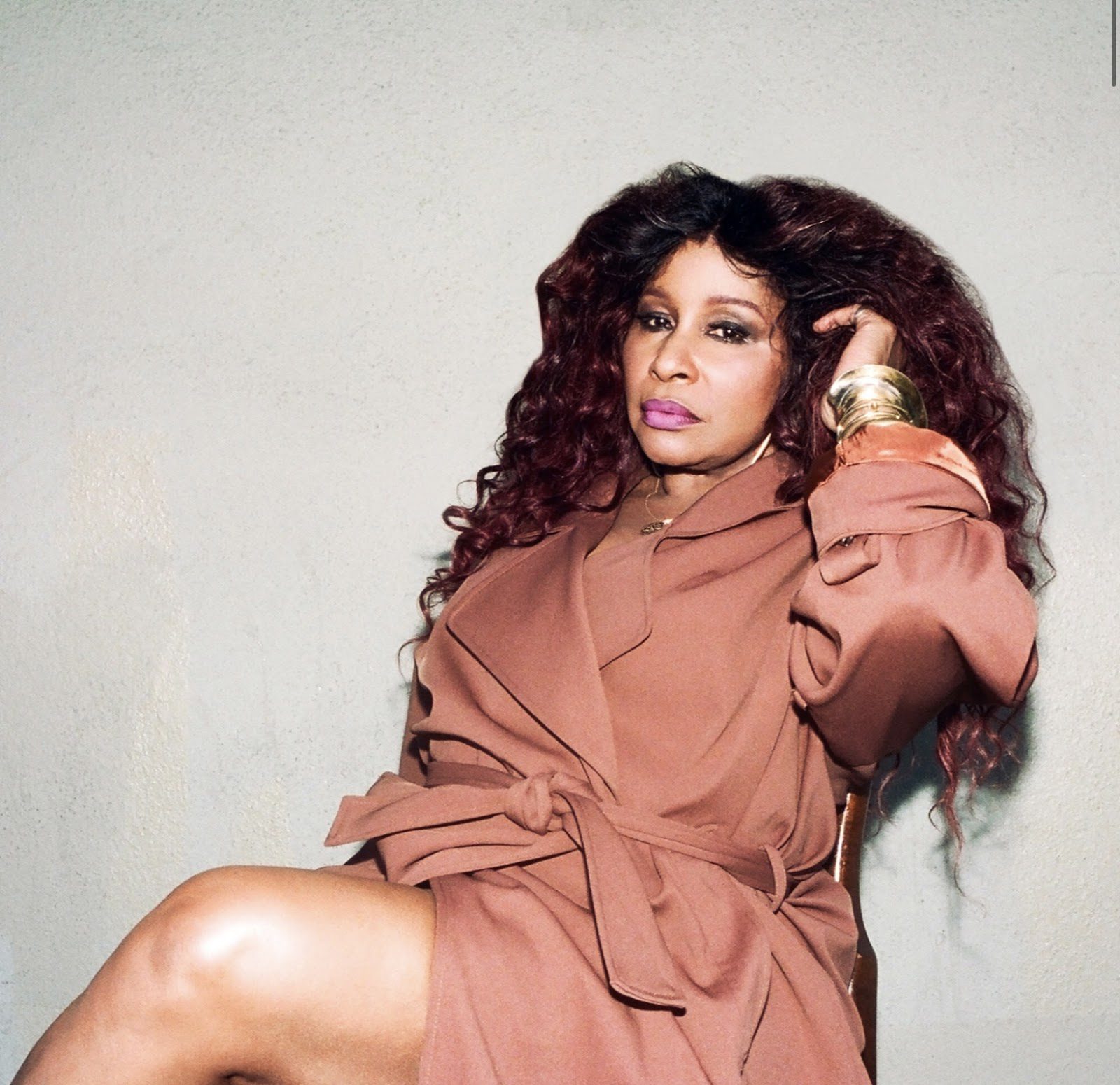
Chaka Khan’s voice is not just a sound; it’s a phenomenon. With a fiery timbre, flexible phrasing, and masterful control of vocal dynamics, she can both astound with power and move with a delicate intonation. Her vocal palette spans the spectrum from jazz improvisations to chart-topping radio hits. This versatility has allowed her to remain relevant for five decades.
Chaka Khan is one of the few artists who has collaborated with equal confidence with legends from completely different musical worlds—from Stevie Wonder to Miles Davis, from Prince to Ray Charles. Her voice didn’t just complement; it brought new energy, turning every collaboration into something vibrant and unique. Her impact on subsequent generations is hard to overstate. Among those who openly acknowledge her influence are names like:
- Mary J. Blige, who often cites Chaka as her role model in soul music, especially for her ability to blend strength and tenderness in her vocals.
- Beyoncé, who has covered Chaka Khan’s songs, including “I’m Every Woman,” and has drawn inspiration from her stage energy and image as a strong woman.
- Erykah Badu, whose stylish mix of funk, jazz, and neo-soul undoubtedly resonates with Chaka’s work.
- Angélique Kidjo, an African singer who combines traditional rhythms with Western music, often referencing her as an icon.
- Adele, who has spoken about Chaka Khan’s influence on her vocal style.
- Janelle Monáe, who has inherited Khan’s feminist message and funk aesthetic.
But Chaka’s legacy is more than just music. She has never hidden behind the gloss of show business. In interviews and her autobiography, she has spoken candidly about her struggles with addiction, personal crises, and motherhood, including raising a daughter with autism. Her honesty and strength have become an example for many who seek not only rhythm but also support in music. Chaka Khan is also an active advocate for women’s rights, racial equality, and access to quality education. She is not just a performer of past hits but a living legend who carries with her strength, experience, and a belief in music as a means to change the world. Her songs continue to be heard in movies, on stages, and in the hearts of listeners worldwide. And her name has become synonymous with power, passion, and timeless style.
Awards and Recognition
In her fifty years on stage, Chaka Khan has earned countless accolades, including 10 Grammy Awards for Best Female R&B Performance and Best Vocal Album. She has received the BET Lifetime Achievement Award and the Soul Train Legend Award, both of which underscore her significant contribution to the culture of African American music.
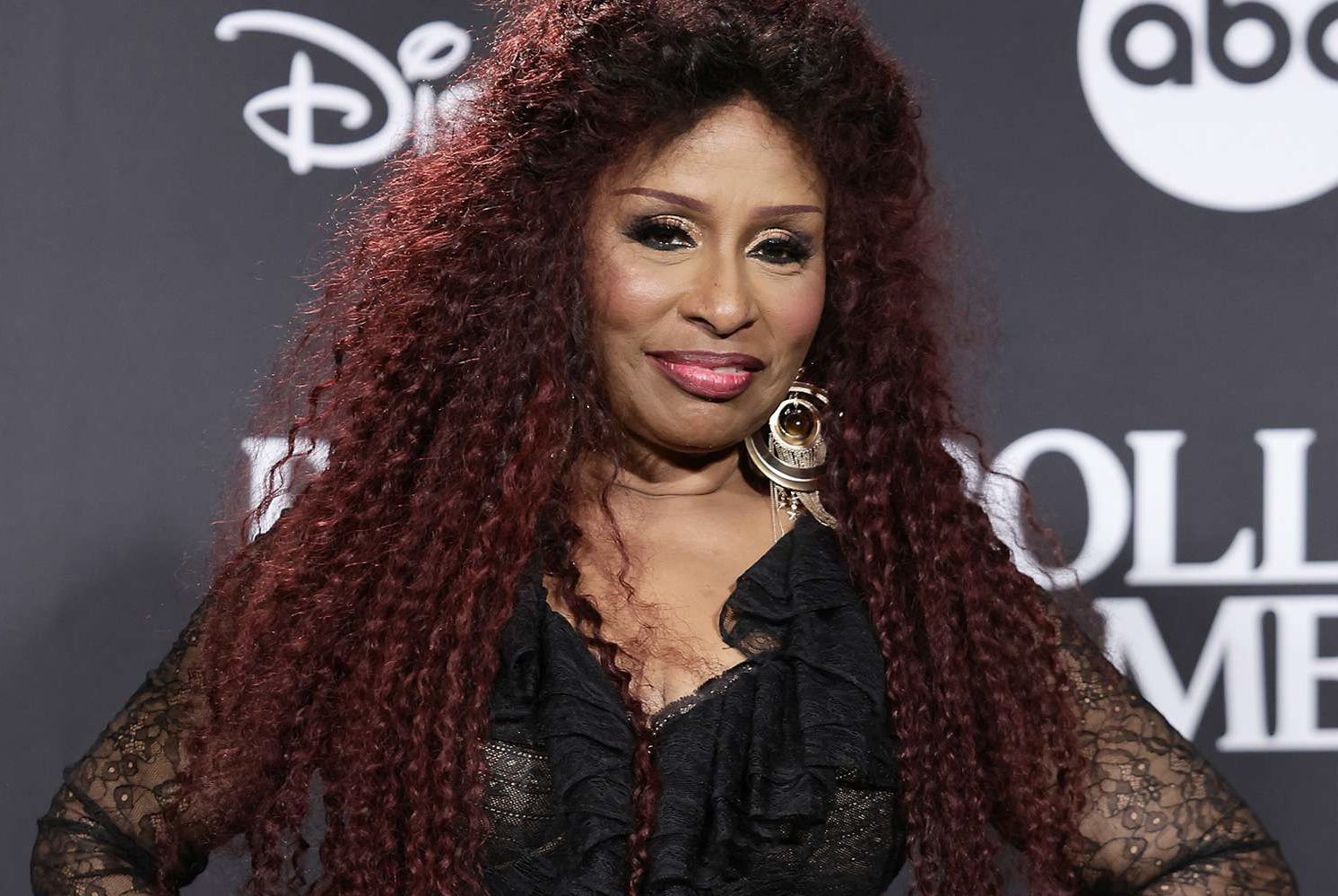
In 2023, she was officially inducted into the Rock and Roll Hall of Fame, not just as a solo artist but also as part of the band Rufus, which revolutionized the intersection of funk, soul, and pop. This recognition was the final chord in a long-overdue acknowledgment of her place in the pantheon of true American music innovators. However, as the singer herself has often said, her greatest reward is the loyalty and love of her listeners.
Chaka Khan is a symbol of a time that changed along with her voice. She didn’t just reflect the era—she created it. She brought the female voice in funk to the forefront, paved the way for new female artists, and all the while remained a unique icon of style, strength, and musical freedom. Her name has long been synonymous with fire, rhythm, and power, and her work is proof that true music never gets old.
Also, learn about the life story of Jennifer Hudson.