


He is one of the brightest and most influential rappers of our time, managing to blend music, social responsibility, and spirituality into his unique style. He has become a symbol for a new generation of artists who choose independence and honesty over a commercial path. In this article, we’ll explore Chance’s journey—from his first steps in music to global recognition—and how his art and activism are shaping contemporary culture. Also, learn about the history of house music in Chicago. More at chicago-trend.
Biography
Chancelor Bennett, better known as Chance the Rapper, was born on April 16, 1993, in Chicago—a city that often serves as the backdrop for his music and community work. His family was deeply connected to the city’s political and cultural life: his father, Ken Bennett, was an aide to Mayor Harold Washington and later an assistant to Barack Obama before his presidency. His mother, Lisa Bennett, held a position in the Illinois Attorney General’s office. In the Bennett household, social issues, justice, and the role of individuals in creating change were common topics of discussion. This shaped Chance’s understanding of music not just as entertainment, but as a tool for dialogue, influence, and social transformation.
From childhood, Chance had a passion for music. He was a huge fan of fellow Chicago native Kanye West, as well as Lauryn Hill and Michael Jackson. His school teachers remember him writing lyrics, rapping under his desk, and dreaming of the stage. At the same time, he was deeply involved in his community, helping to organize youth initiatives and understanding that change begins with oneself.
Musical Career
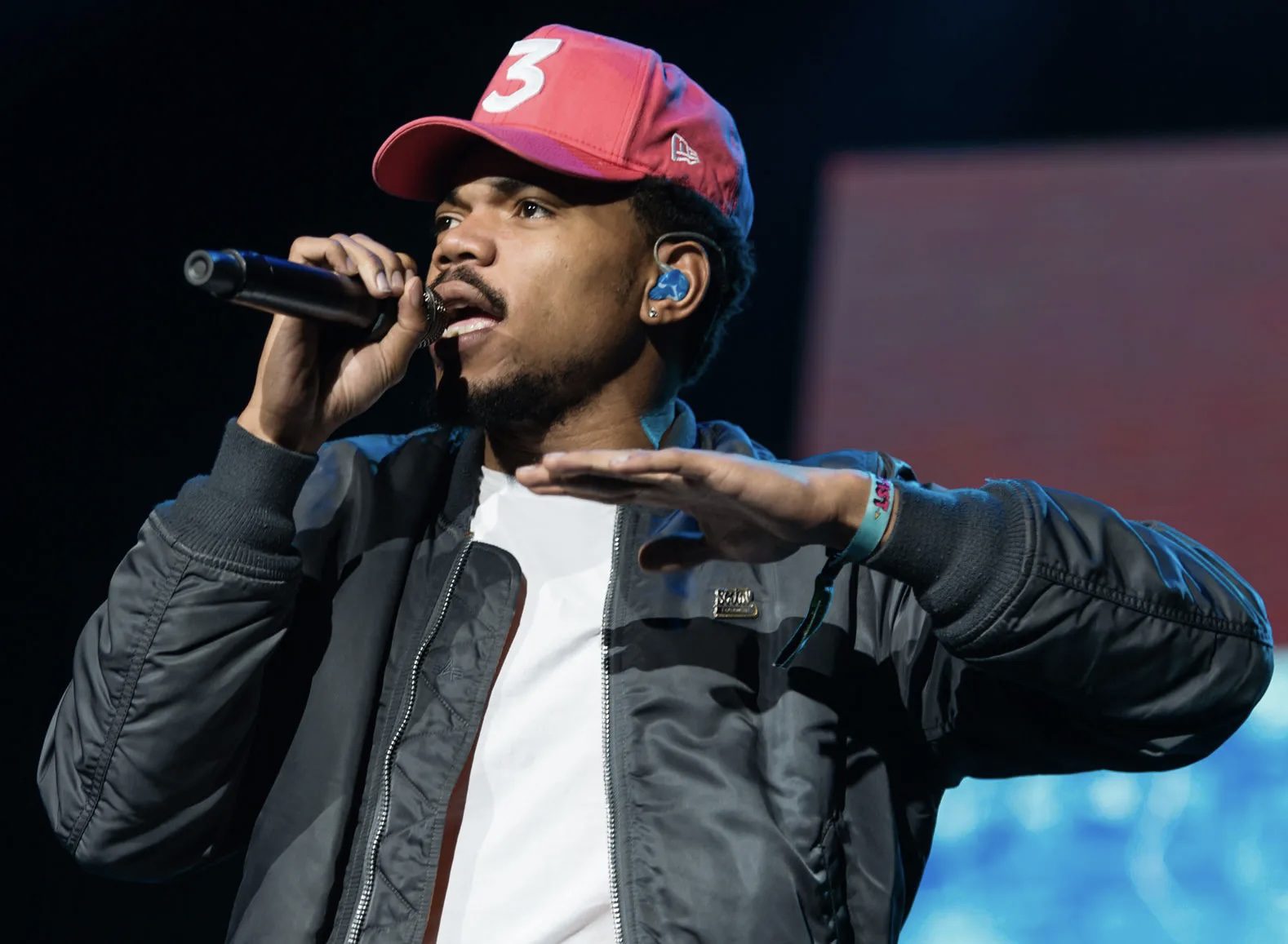
Chance began his career not through a major studio but via the internet, at a time when rap still largely depended on labels, producers, and complex contracts. He recorded his first mixtape, “10 Day” (2012), after being suspended from school for ten days for marijuana possession. Instead of a punishment, it became the start of a great story: Chance used that time to translate his thoughts, fears, and dreams into music. Thanks to platforms like SoundCloud and DatPiff, “10 Day” quickly gained popularity among fans of independent hip-hop.
But his real breakthrough was “Acid Rap” (2013), a work that cemented his unique style of combining groove, jazzy beats, and an sometimes psychedelic delivery. His voice could be both gentle and defiant, and his lyrics were simultaneously deep and emotionally vulnerable. Without a record deal, “Acid Rap” topped the charts of many music media outlets, garnered millions of streams, and made Chance a hero of the new internet era in music. He proved that you don’t need a producer to be heard—you just need something real to say.
In 2016, the rapper released his third mixtape, “Coloring Book.” It was not just a new project but a true cultural phenomenon. The album was released exclusively on streaming platforms, with no physical release and without a contract with any label. It made history as the first streaming-only release to win a Grammy Award—not just one, but three: for Best Rap Album, Best Rap Performance, and Best New Artist. “Coloring Book” is a symbiosis of hip-hop and gospel, where spirituality intertwines with the daily struggles of a young person seeking truth in the chaos of a big city. The album features deep lyrics about faith, fatherhood, hope, and social justice, as well as powerful collaborations with Kanye West, Lil Wayne, 2 Chainz, and Jamila Woods. This release challenged the traditional music industry, proving that an independent artist can not only create on their own terms but also be recognized at the highest level. “Coloring Book” was named one of the best albums of the year by Rolling Stone, Pitchfork, Billboard, and Time. Most importantly, it showed a new face of rap: sincere, bright, and inspired by faith and a desire to change the world.
The Musician’s Style
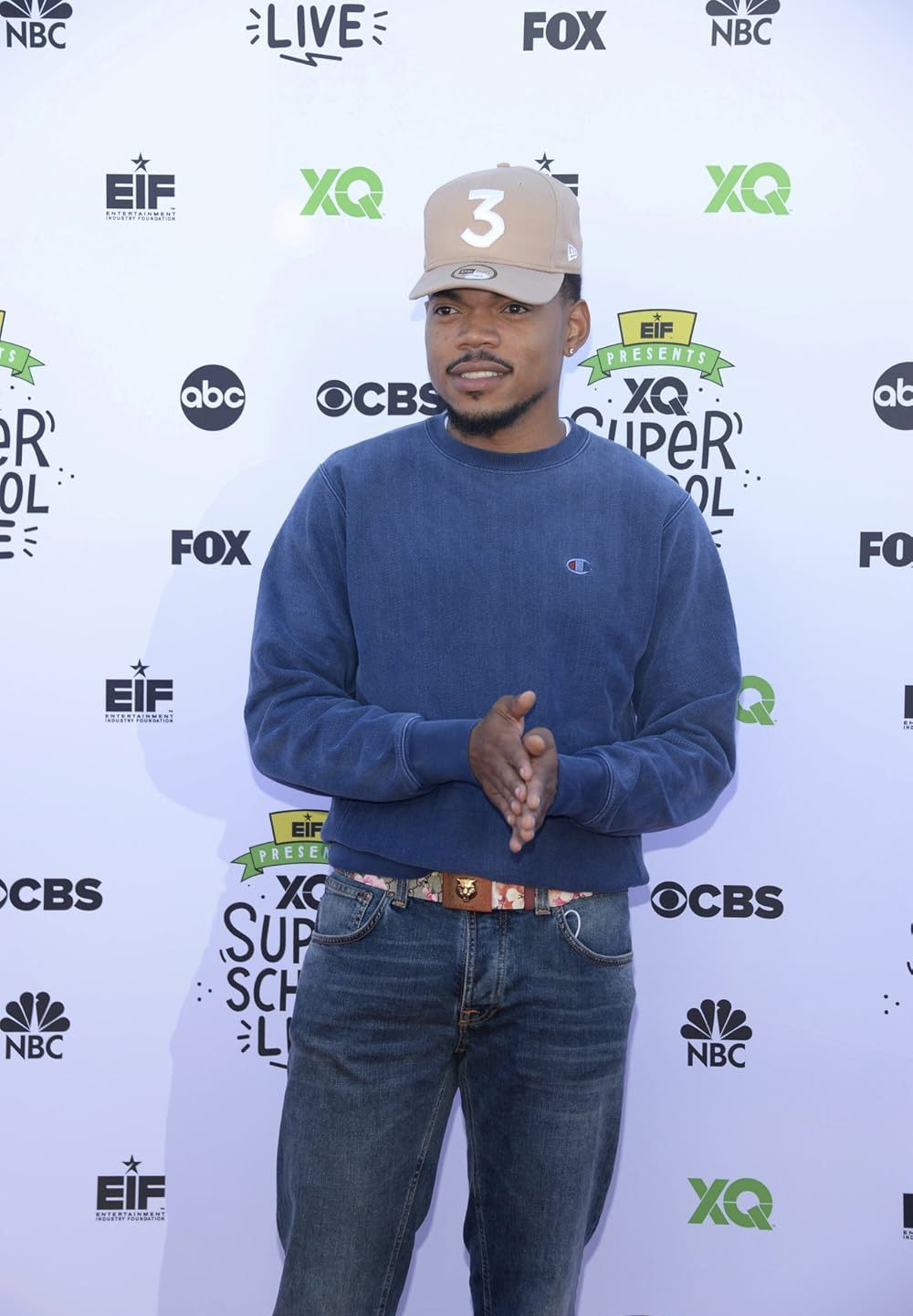
Chance Bennett is distinguished by a unique and recognizable style that combines a vibrant appearance with a deep inner substance. His signature “3” cap has become a symbol not only of his personality but of the entire movement he leads—a movement of positive, sincere hip-hop. Chance’s voice is light, melodic, and emotional. He skillfully blends a rhythmic flow with a sincerity and openness that makes his music particularly relatable to listeners. In a world where hip-hop is often associated with aggression and toughness, Chance boldly offers a different model—he is not afraid to be a kind, sensitive, and spiritual artist. His tracks are filled with positivity, faith, hope, and a social message. It is this sincerity and kindness that open new horizons for the genre, making it more multifaceted and human.
Chance’s influence is felt not only in his own music but also in the work of a new generation of rappers who are moving away from stereotypes of aggression and confrontation. They are seeking depth, spirituality, and meaning—qualities that Chance successfully embodies in his albums and songs. Thanks to this, he has become not just a performer but an icon of a new wave of hip-hop that is shaping modern music culture. Chance the Rapper is a true symbol of a new generation of artists who are defining what modern rap should be. He shows that it is possible to be independent of major labels and commercial schemes, to maintain one’s integrity and uniqueness, all while creating world-class music. His work is a combination of creativity, spirituality, and profound social responsibility, making him not just an artist but the voice of a community.
Social Responsibility
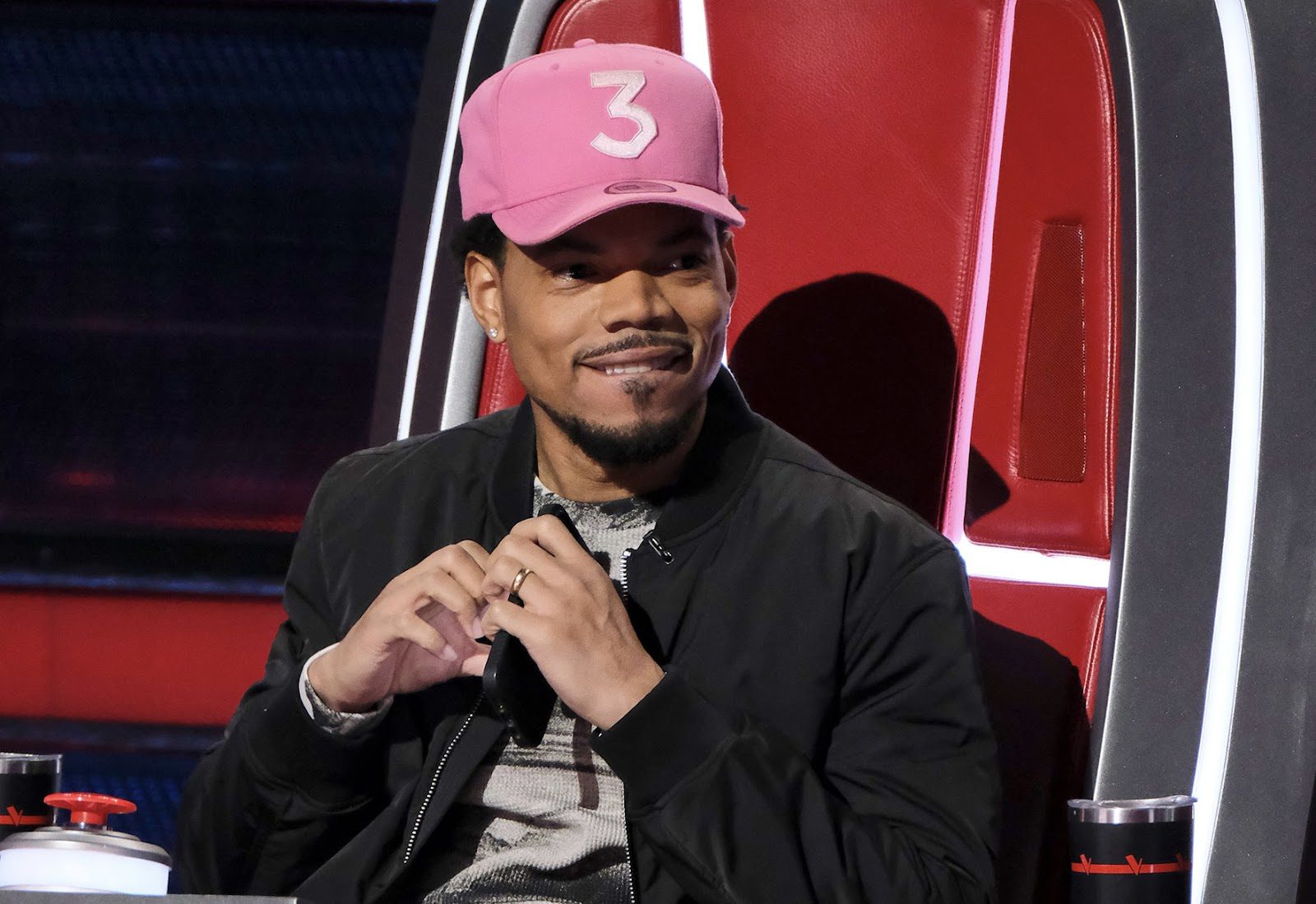
Chance the Rapper is not just an artist who makes music, but a true public figure and activist who consciously uses his influence to bring about change in society. He is deeply connected to his hometown of Chicago and considers it his mission to support education, fight poverty, and foster culture. From the beginning of his career, Chance has systematically invested his own funds into improving Chicago’s school programs. In 2017 alone, he donated over $1 million to provide free access to music education in public schools, a significant contribution to supporting creativity among youth. In addition, he organizes numerous charity concerts and initiatives aimed at combating violence in the city.
Chance’s activism extends far beyond charity: he openly criticizes systemic injustice, racism, and the impunity of law enforcement, and supports the rights of women and the LGBTQ+ community. In his public speeches and songs, he calls for unity and mutual respect. Chance the Rapper is an example of how a modern musician can be not only the voice of a generation but also a real agent of change who inspires others to act for a better future.
Personal Life
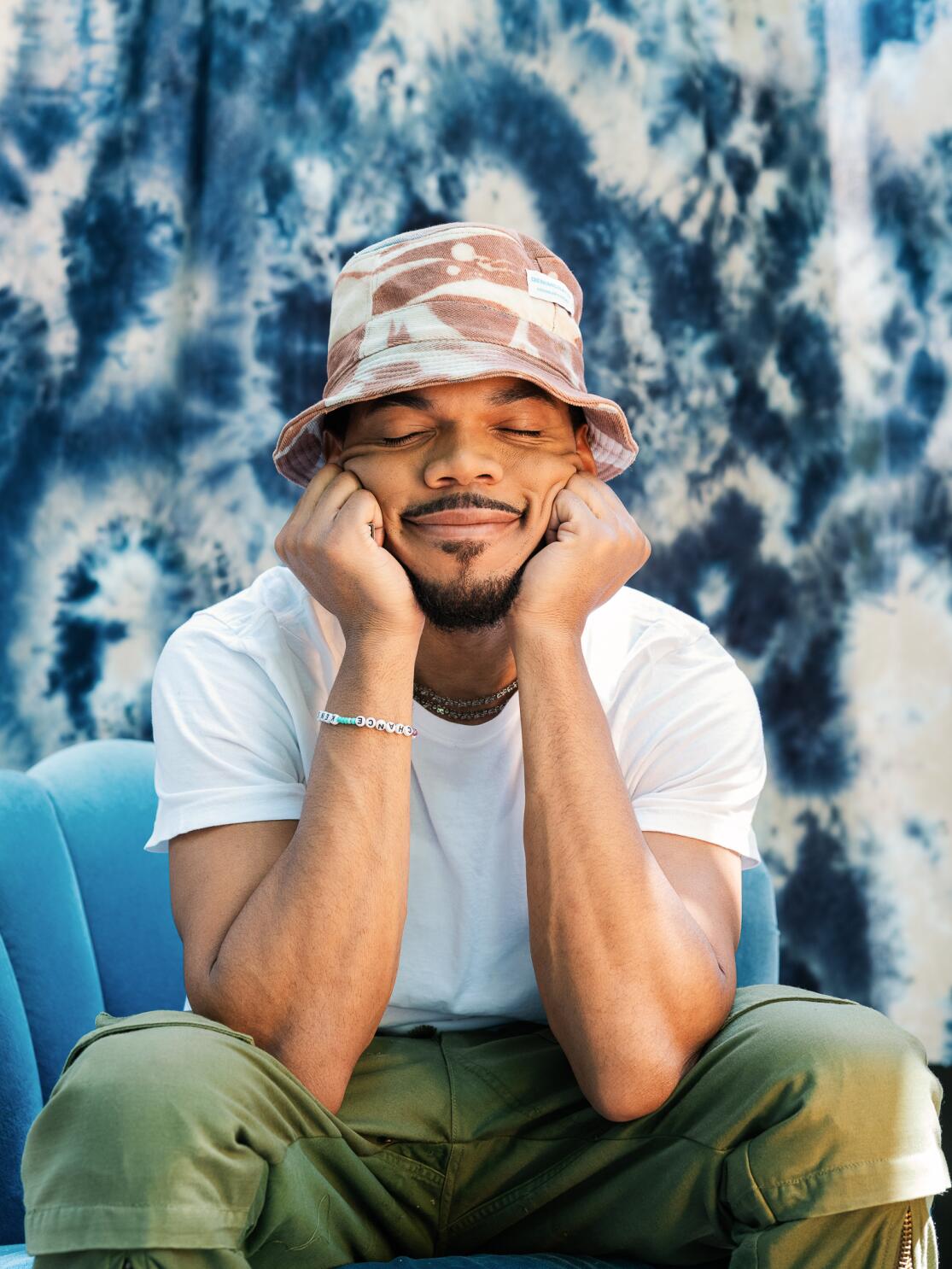
In 2019, he married his longtime girlfriend, Kirsten Corley, with whom he had been in a relationship since 2013. Their wedding was a high-profile event, and his album “The Big Day” was dedicated to the occasion. The couple has two daughters, Kensli and Marli. However, in April 2024, Chance and Kirsten announced their separation after five years of marriage. In a joint statement, they noted that the decision was made amicably and with gratitude for the time they spent together. In December of that year, Kirsten officially filed for divorce, and in January 2025, the couple reached a final divorce settlement in Cook County, Illinois.
Despite the separation, Chance and Kirsten remain devoted parents. They continue to co-parent their daughters, emphasizing the importance of family values and support. This new chapter in Chance’s life will likely be reflected in his future work, as personal experiences have always been a source of inspiration for his music.
Also, learn about the life story of jazz singer Tecora Rogers.