


He is one of those musicians who don’t just play jazz—they change it. His name stands alongside the most distinguished pianists of the 20th century, and his music is a synthesis of tradition and experimentation, intellect and intuition, acoustics and electronics. Hancock is jazz that isn’t afraid of the future. Also, learn about the life story of rapper Kanye West. More at chicago-trend.
Biography
Herbert Jeffrey Hancock was born on April 12, 1940, in Chicago. His parents, who were working-class, supported their son’s interest in music. Herbie began playing the piano at age four, and by 11, he was performing a Mozart concerto with the Chicago Symphony Orchestra. This early experience instilled in him the deep discipline of classical training, which would later merge with his love for improvisation. In high school, Hancock discovered jazz. He was inspired by the recordings of Oscar Peterson, Bill Evans, and Duke Ellington. The young pianist began frequenting Chicago’s jazz clubs, where he quickly earned a reputation as a technically skilled and original musician. His rhythmic sense and ability to construct complex harmonies made him stand out even among more experienced performers.
In 1960, Hancock moved to New York, where he began collaborating with Donald Byrd, a renowned trumpeter and mentor. It was Byrd who helped him sign his first contract with Blue Note Records, where Herbie’s debut album, “Takin’ Off,” was released in 1962. The album was a commercial success, and its track “Watermelon Man” became a hit, even entering the pop charts. It was so popular that it was even re-recorded by Mongo Santamaría, the king of Latin jazz.
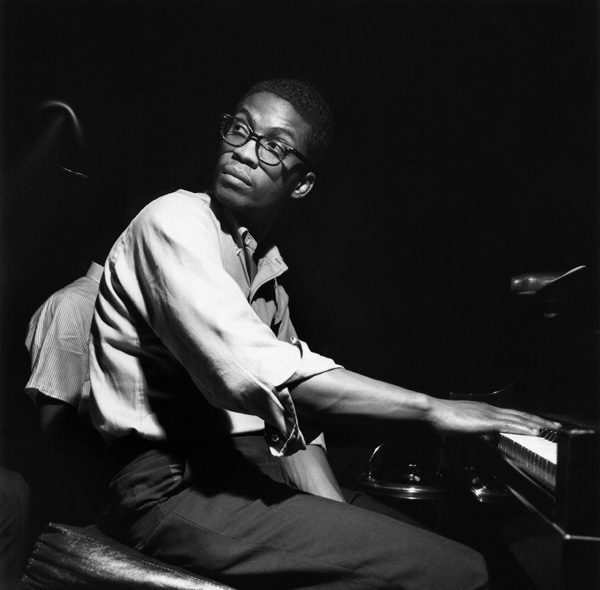
Hancock’s real breakthrough came in 1963 when Miles Davis, one of the most influential jazzmen in history, invited him to join his new lineup. At just 23, Hancock became the youngest member of what would be known as the Second Great Quintet. This period is considered one of the peaks in the history of jazz. Miles Davis was searching for a new musical language, and Herbie became one of its key creators. In the quintet, Hancock played alongside saxophonist Wayne Shorter, bassist Ron Carter, and drummer Tony Williams. Their albums—“E.S.P.” (1965), “Miles Smiles” (1966), and “Nefertiti” (1967)—impressed not only listeners but also critics, as the musicians pushed the boundaries of form, improvisation, and harmony. During this time, Hancock wasn’t just an accompanist; his piano became another voice, an equal participant in the musical dialogue. It was during these years that he developed a style that blended classical technique, funky rhythms, complex jazz structures, and an open desire for the new. Hancock quickly became more than just a part of the scene—he began to shape it.
Solo Work
After his successful period with the Miles Davis Quintet, Herbie Hancock didn’t stop—his solo career became a field of constant experimentation. The album “Maiden Voyage” (1965) is considered a true symphony for a jazz ensemble. Instead of following standard song structures, Hancock offers the listener a deep emotional experience: each track is a separate journey where sound and timbre are as important as the notes themselves. This album is studied in jazz schools worldwide as a perfect example of the balance between improvisation and composition. In the 1970s, Hancock went even further, openly declaring that jazz must evolve with the times. Tired of the purity of acoustic sound, he began incorporating electronics, synthesizers, drum machines, and funk rhythms.
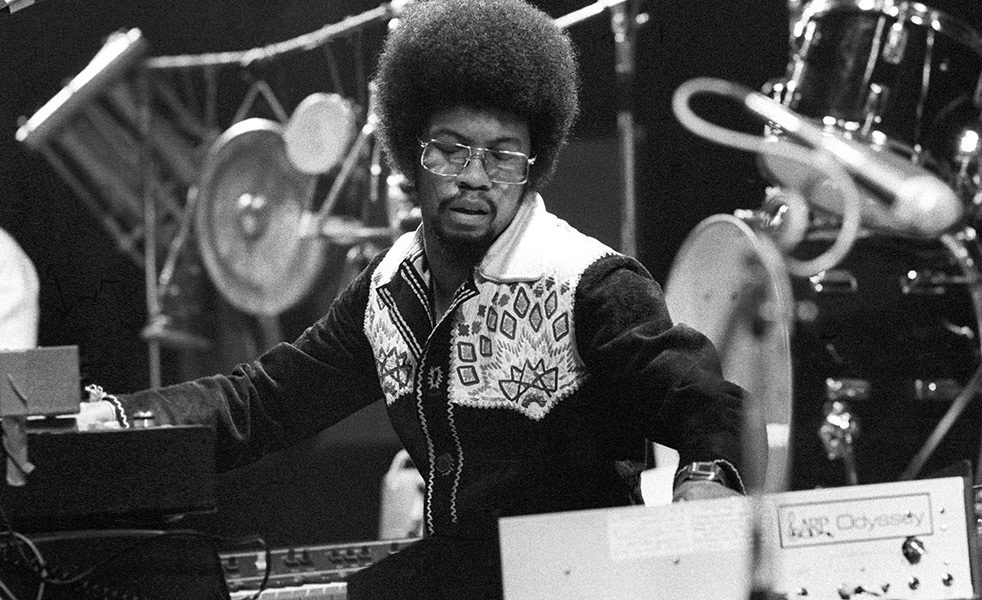
His band, The Headhunters, formed in 1973, changed the rules of the game. The group’s debut album, “Head Hunters,” instantly became a bestseller and remains one of the best-selling jazz albums of all time. The track “Chameleon” from this album became an unofficial anthem of jazz-funk. Hancock plays an electric clavinet, creating a hypnotic, cyclical bass line that has become iconic. On the album, jazz intertwines with African American rhythms, funk, psychedelia, and elements of rock music. This was no longer just jazz in the traditional sense, but a living, expanded form of musical expression that captivates the listener physically, emotionally, and conceptually. Hancock wasn’t afraid of challenges—in the following years, he continued to experiment with genres, working on film soundtracks, playing fusion, collaborating with rock musicians, and later with hip-hop artists. His solo work demonstrates not only technical flawlessness but also a philosophical understanding that music is a limitless space for exploration and change.
Innovative Ideas
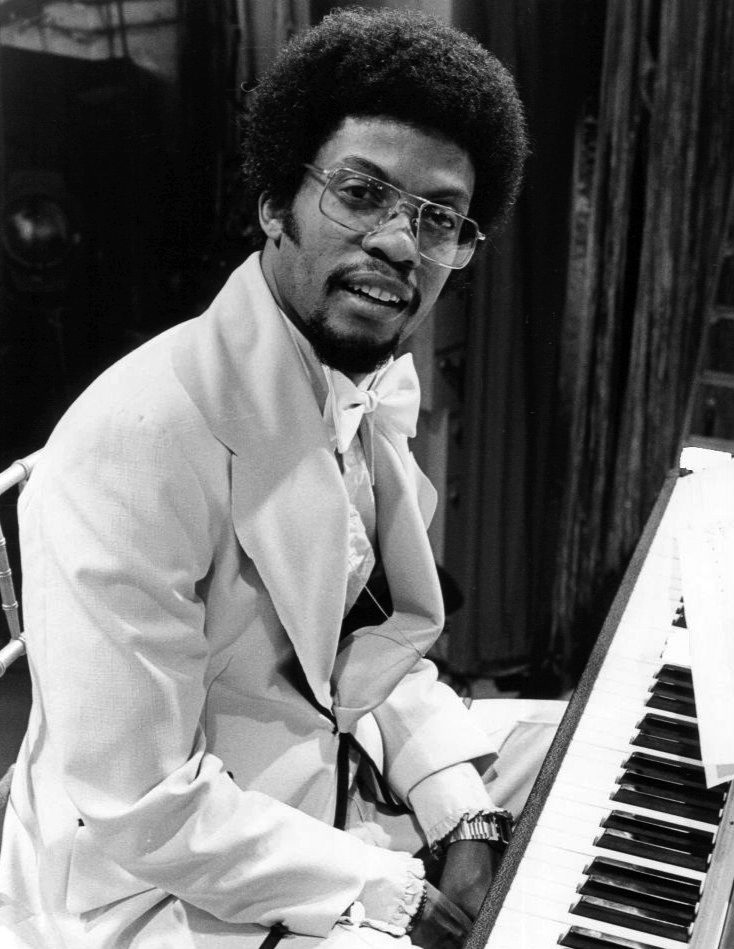
Herbie Hancock is not just a jazz maestro but an innovator who has always felt the pulse of the era. In 1983, he released the track “Rockit,” a composition that turned the perception of jazz’s boundaries on its head. By blending synthesizers, a hip-hop beat, and record scratching, Hancock offered the world a new sonic language. It was the first time a major jazz musician had crossed over into the territory of electronic dance music. The music video for “Rockit,” featuring mechanized mannequins, was revolutionary—not only in form but also in substance. Thanks to this work, Hancock became the first African American jazz artist whose video was regularly broadcast on MTV, which until then had been predominantly the territory of pop and rock performers. This period opened a new chapter in his career as he continued to experiment with hip-hop, techno, and world music, unafraid to combine the “highbrow” with the “street.” It is this approach that has allowed him to remain relevant for decades, even in the digital age. The pinnacle of recognition came in 2007, when Hancock released “River: The Joni Letters,” a tribute to the Canadian singer-songwriter Joni Mitchell. The album was an unexpected triumph: with subtle arrangements, delicate playing, and exquisite vocal performances (by Norah Jones, Tina Turner, Leonard Cohen, and others), it surpassed all expectations. It wasn’t just a cover album but a reimagining of Mitchell’s lyrics and moods through a jazz lens. Winning the Grammy for Album of the Year was a shock to the industry—a jazz album hadn’t won in that category since 1965. Hancock proved once again: jazz is not a museum piece but a living, contemporary language of music.
Public Advocacy
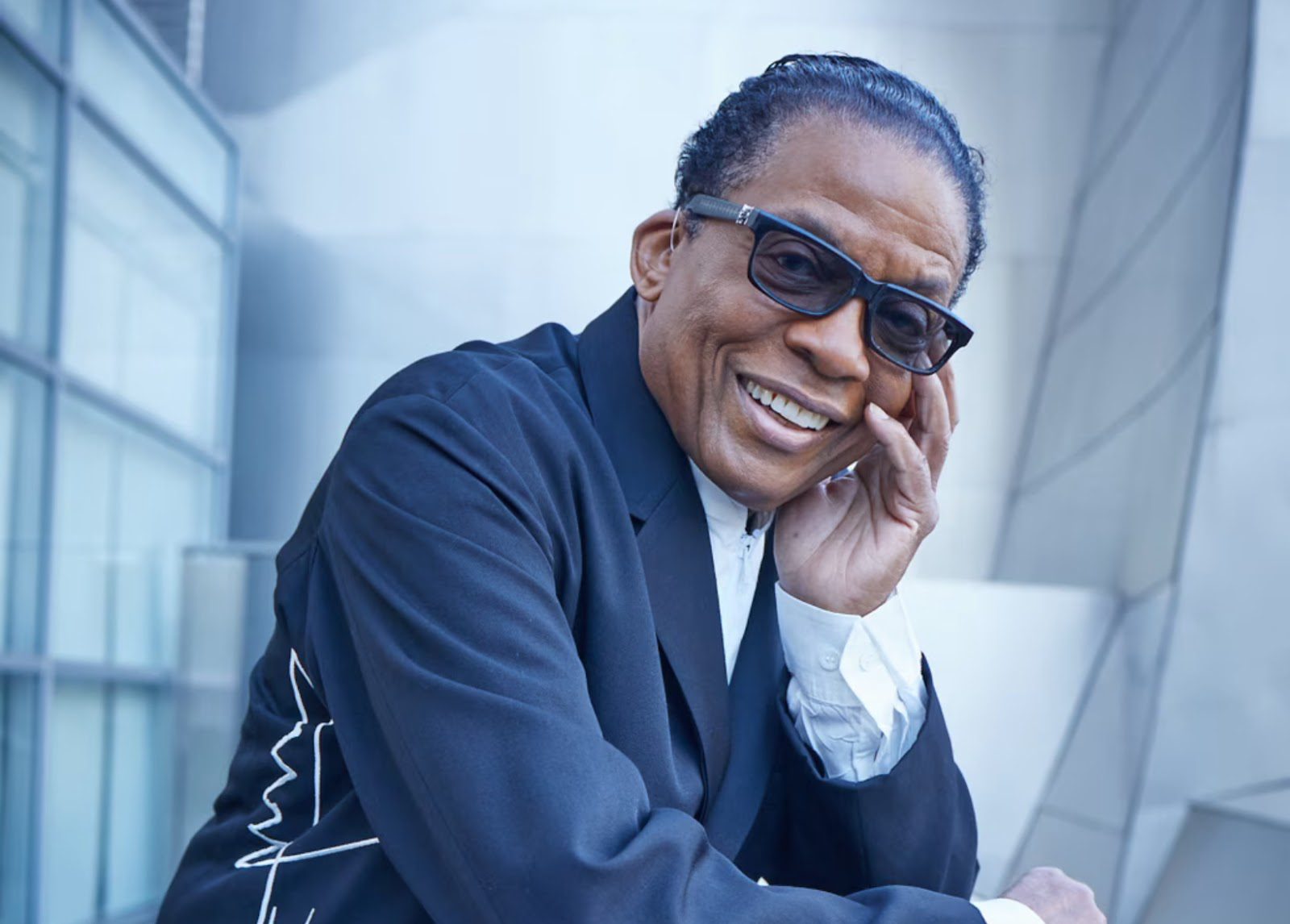
Herbie Hancock is not only an innovative musician but also a deeply conscious global citizen. His life and work are inextricably linked to the idea of serving humanity through art. As a UNESCO Goodwill Ambassador, he actively promotes peace, intercultural dialogue, and education through music. Hancock has repeatedly emphasized that jazz is not just a genre but a language of freedom that can heal wounds, erase borders, and unite peoples. In 2011, it was on his initiative that the UN declared April 30 as International Jazz Day, a holiday celebrated annually around the world. This day has become a global platform where music acts as a messenger of peace, solidarity, and understanding.
Hancock is also a practitioner of Nichiren Buddhism, which has profoundly influenced his worldview. He believes in the power of inner transformation, holding that every person can change the world by starting with themselves. It is through music that he seeks this intersection between the spiritual and the real, the personal and the universal. His performances are not just concerts but mantras that evoke catharsis.
Hancock teaches at the University of California, Los Angeles (UCLA), where he instructs young musicians not only in technique but also in values. His mission is to shape not stars, but conscious artists with open hearts. For him, jazz is about dialogue, listening, and a responsibility to the world.
Also, learn about the life story of Renée Zellweger.