


The name Margaret Bonds is intricately linked with the history of American classical music, especially within the context of the struggle for African American rights. Her life and work tell a story of immense talent, courage, and cultural defiance. She emerged as one of the first Black female composers whose music graced the nation’s leading concert halls. Discover more on chicago-trend.
Biography
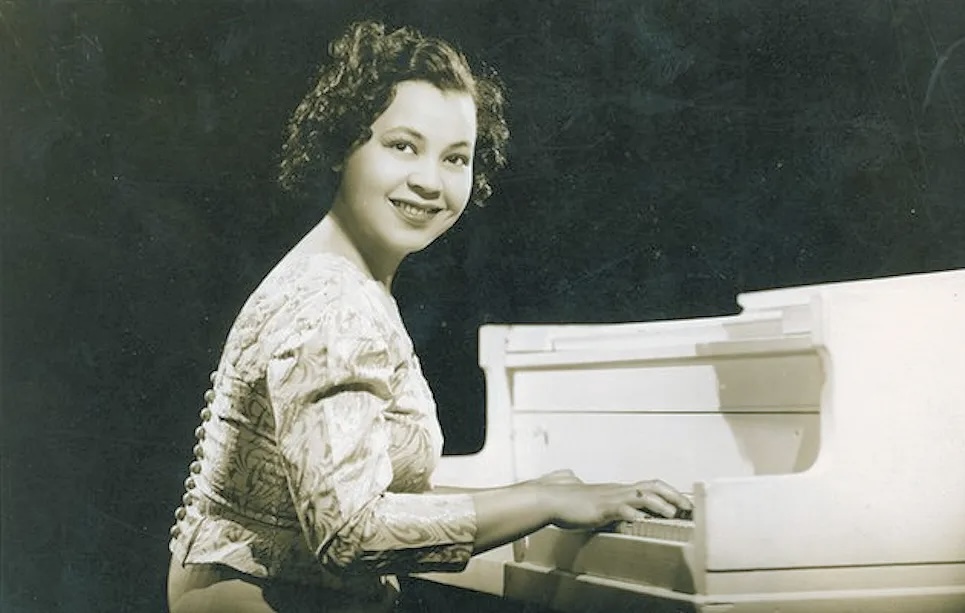
Margaret Bonds was born on March 3, 1913, in Chicago. Her family was a remarkable blend of musical talent, education, and civic activism. Her mother was Margaret’s first teacher, not only instructing her in piano technique but also introducing her to classical repertoire, spirituals, and the works of African American composers—pieces that were largely excluded from mainstream music programs at the time. Her mother insisted that Margaret embrace her heritage, drawing strength and inspiration from it. The Bonds’ home wasn’t just a residence; it was a vibrant cultural salon, often hosting luminaries like Langston Hughes, Zora Neale Hurston, and James Weldon Johnson. This environment laid the foundation for young Margaret’s worldview. From an early age, she understood that music wasn’t just a form of self-expression but also a powerful tool for change.
This atmosphere, brimming with a love for culture and ideals of justice, made Margaret’s childhood both deeply musical and profoundly political. She grew up knowing that being a Black woman in the world of classical music was a challenge, but also an opportunity to redefine the rules. And she seized that chance. In the 1940s, she married Laurence Richardson, a writer, educator, and theater figure. They had a daughter, Jane Richardson, whom Bonds raised with immense love and a strong sense of responsibility. Bonds continued her active work as a composer, pianist, and educator, frequently performing and teaching, all while remaining a devoted mother. In her private life, Bonds was known for her sharp intellect, subtle humor, and deep sense of community responsibility. Her strength lay not in grand speeches, but in relentless daily work: on stage, in the classroom, at home, and at the piano.
Inspired by Poetry
One of Margaret Bonds’ most significant and fruitful creative partnerships was her long-standing friendship with Langston Hughes, whose poetic voice embodied the experiences, dignity, and aspirations of the African American community seeking freedom. Their connection was not just artistic but spiritual; both viewed art as an instrument of resistance, self-expression, and healing.
They met in 1936 in Chicago, where Hughes was giving a poetry reading. Bonds, who was already familiar with his work from her college days, approached him after the event, and thus began their years-long friendship. They felt an instant spiritual kinship. Hughes openly supported her as a composer, and she, in turn, found deep emotional truth and poetic musicality in his verses, which perfectly formed the basis for her vocal compositions.
Margaret Bonds composed a series of vocal works set to Hughes’ words, including the cycle “Three Dream Portraits”—three deeply emotional songs that convey an African American’s painful reflections on racial injustice, hopes for a better future, and dignity in struggle. This cycle became one of the first vocal works by an African American female composer to enter the academic concert repertoire. One of Bonds’ most renowned works influenced by Hughes is the song “Troubled Water.” While the lyrics themselves are not by Hughes, its artistic mood, drama, and inner strength deeply resonated with the poetic essence of his work.
Bonds and Hughes didn’t just collaborate—they inspired each other. When Hughes passed away in 1967, Bonds deeply mourned his loss. She dedicated several works to him, including “He’s Got the Whole World in His Hands,” a choral anthem of unity and hope.
Music That Transcended Boundaries
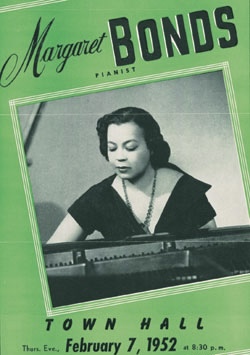
Unlike many classical composers of her era, Margaret Bonds did not try to distance herself from her people’s folk and spiritual heritage. On the contrary, she saw jazz, blues, and gospel not only as authentic expressions of African American culture but also as material worthy of the classical stage. She incorporated harmonies from the European romantic tradition and classical formal structures, but infused them with African American rhythms.
Thanks to their profound content and vivid emotionality, Bonds’ works were eagerly performed by leading African American artists. Her collaboration with the famous contralto Marian Anderson—a symbol of the fight for racial equality in art—was particularly close. Bonds accompanied her on the piano and specifically wrote vocal pieces for Anderson’s repertoire. Through her convictions and artistic sensibility, Bonds became one of those who not only “represented” the African American community in classical music but also transformed its very language, proving that true art knows no skin color or social status.
Legacy and Recognition
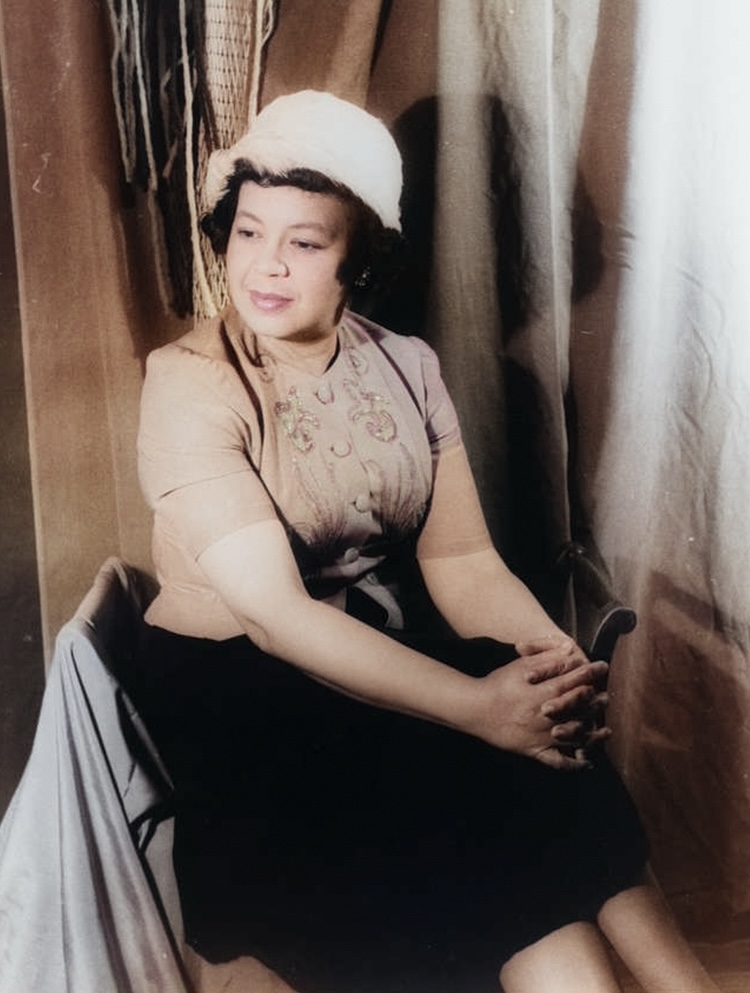
Despite her exceptional contributions to American music, Margaret Bonds remained largely unknown to the broader public for a long time. As an African American female composer, she found herself at the intersection of two major prejudices: racial and gender. For decades, her name was often mentioned in passing or entirely ignored in official histories of American classical music, and her works were rarely performed in major symphony halls. Music criticism of the time was predominantly focused on the European tradition and the male canon. Although Bonds actively performed, taught, composed, and participated in civic life, her work was often considered “peripheral.” However, some significant achievements did attest to her talent. Her work “Sea Ghost” won a prestigious competition from the Wanamaker Foundation, which supported African American artists. This award brought Bonds national recognition even while she was still a student. The premiere of her works at Carnegie Hall—one of the world’s most authoritative venues—was an exceptional achievement for a Black female composer in the 1940s.
However, the 21st century has brought a new wave of interest in forgotten names, particularly women and minority artists who created despite systemic barriers. Margaret Bonds’ work is experiencing a true renaissance. Her compositions are increasingly performed in concert halls across America and beyond. Albums are being recorded, festivals dedicated to her work are held, and musicologists and historians are re-examining and rewriting the canon of American classical music to include her contributions. Especially important is the return of her name to the cultural life of Chicago—the city where she was born, developed, and where her artistic career blossomed. In 2023, the New York Philharmonic and other major institutions began performing her works as part of campaigns to restore historical justice. Her name was included in the “Hidden Voices” list—an initiative honoring forgotten female composers in the USA.
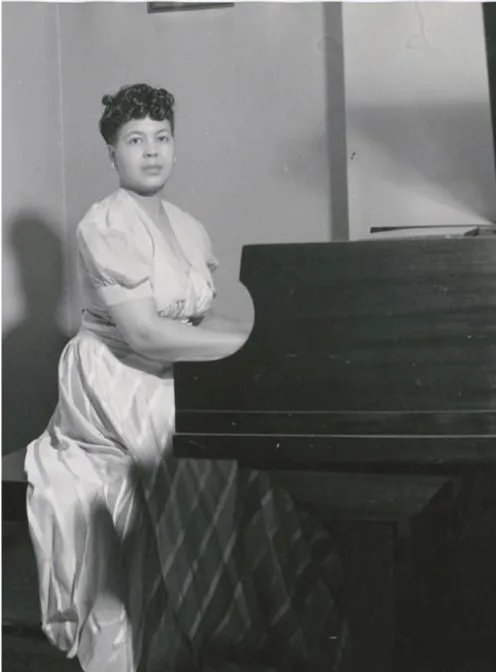
Margaret Bonds passed away in 1972 in Los Angeles, not living to see her work gain the recognition it deserved. Nevertheless, her music continues to thrive—not only in performance but also in the profound impact she had on subsequent generations of artists. She became an example and a guiding light for many African American composers.