


The songs of some Chicago musicians, as well as memories of them, will live forever. The prominent saxophonist Clifford Jordan is a remarkable example of this, with his unique and breath-stopping songs.
Jordan became famous during his lifetime. Many of his albums are still highly valued around the world. In terms of recordings, he was one of the most popular jazz performers of his time. Read about the life and activity of this talented man at chicago-trend.com.
MUSIC FROM CHILDHOOD
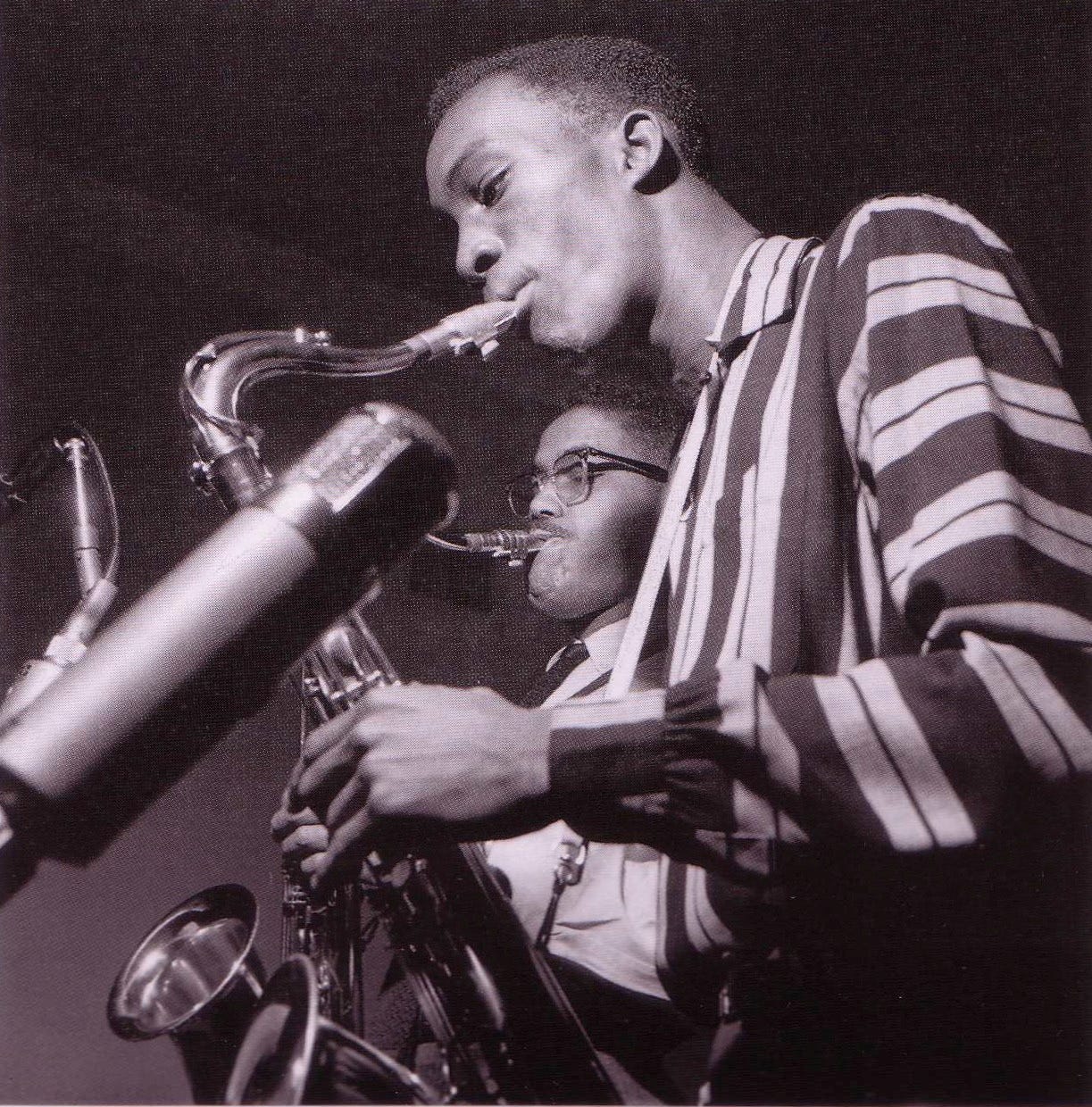
Clifford Laconia Jordan was born on September 2, 1931, in Chicago. He played the piano from an early age. Sitting down at the piano, the boy pressed the pedals and started screaming loudly. While at school, he started taking classes to master this musical instrument.
Besides his studies, Jordan helped the carters who carried coal, milk and ice on horse-drawn vehicles.
At the age of 13, Cliff played saxophone for the first time. Inspired by Charlie Parker, a 16-year-old young man decided that playing this musical instrument was his lifelong calling.
Jordan was lucky enough to study at DuSable High School in Bronzeville. This institution had a unique curriculum and the most proficient teachers. Many graduates became legends with their guidance.
Clifford had a very strict teacher who demanded discipline from his students. Perhaps that’s why he honed his saxophone skills.
After graduating from high school, Jordan began playing R&B with bassist-singer Willie Dixon and jump blues musician Joseph Bell.
Saxophone players Johnny Griffin and John Gilmore, who were his former classmates, also performed with him. The Cotton club was the first place where talented guys started their work. They played there every night until morning.
CAREER DEVELOPMENT
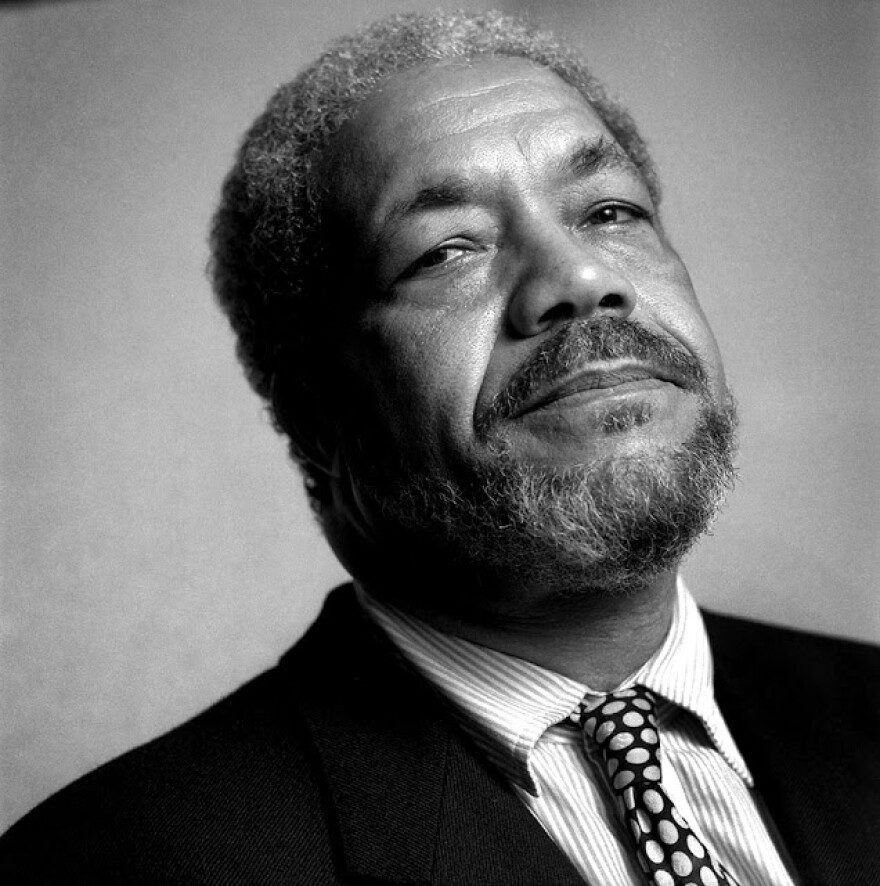
Jordan made a decision to build his career in New York City. He moved there in 1956 and created his first record with Gilmore. In 1957, they released the album “Blowing in from Chicago”. To create it, the two talented saxophonists had to team up with the New York Rhythm Section. Pianist Horace Silver and drummer Art Blakey were members of this section as well.
At the same time, life in the new city was not easy. Jordan was not able to give concerts whenever he wanted as he had done in Chicago.
In his first years in New York, he often performed as a sideman with bassist Paul Chambers, pianist Sonny Clark and others. At the turn of the decade, he commenced writing his own material. He did it on the advice of Silver. Jordan initially doubted his abilities, but things turned out well in the end.
In 1960, Jordan founded a quartet with pianist Cedar Walton. The group put out a great album called “Spellbound” on Riverside Records. Then they switched to the Jazzland label. They released the “Bearcat” album in 1962.
In 1963, Clifford wrote music with Eric Dolphy. A year later, they both joined the Charles Mingus Sextet, which was touring throughout Europe. During this period, Jordan’s album “These Are My Roots: Clifford Jordan Plays Leadbelly” saw the world. In 1965, he continued to perform as a sideman and collaborate with new musicians.
The man loved playing in Europe. In 1969, Jordan moved to Belgium but soon came back to America. Upon his return, he decided to establish his own label Frontier. However, he did not succeed and later penned a contract with Strata-East Records.
In 1972, Jordan debuted on Strata-East with the “Clifford Jordan in the World” album.
In 1980, the musician began playing with Arthur Farmer. Their collaboration lasted until Jordan’s last days.
Throughout his professional life, Jordan gave concerts and lectures in public schools in New York, served as a musical consul at the Bedford-Stuyvesant Youth In Action organization and provided flute and saxophone lessons.
Clifford Jordan passed away on March 27, 1993. Due to his immense contribution to the development of music, his memory is publicly honored.