


There were countless talented musicians working in Chicago who are famous worldwide. Cleveland Eaton is one of them. As noted by chicago-trend.com for many years, the jazz bassist played with Ramsey Lewis and Count Basie. He also managed a club and taught at a university, for which he earned respect and recognition.
GIFTED FROM CHILDHOOD
Cleveland Josephus Eaton II was born on August 31, 1939, in Fairfield, Alabama. From childhood, the boy had a passion for music, which was instilled in him by his mother. He began actively engaging in music when he turned 5. As a teenager, he played piano, saxophone and trumpet.
Eaton studied at Fairfield Industrial High School. After graduating, he mastered trumpet playing under the guidance of one of the top teachers of jazz music, John Whatley.
CONFIDENT STEPS IN MUSIC
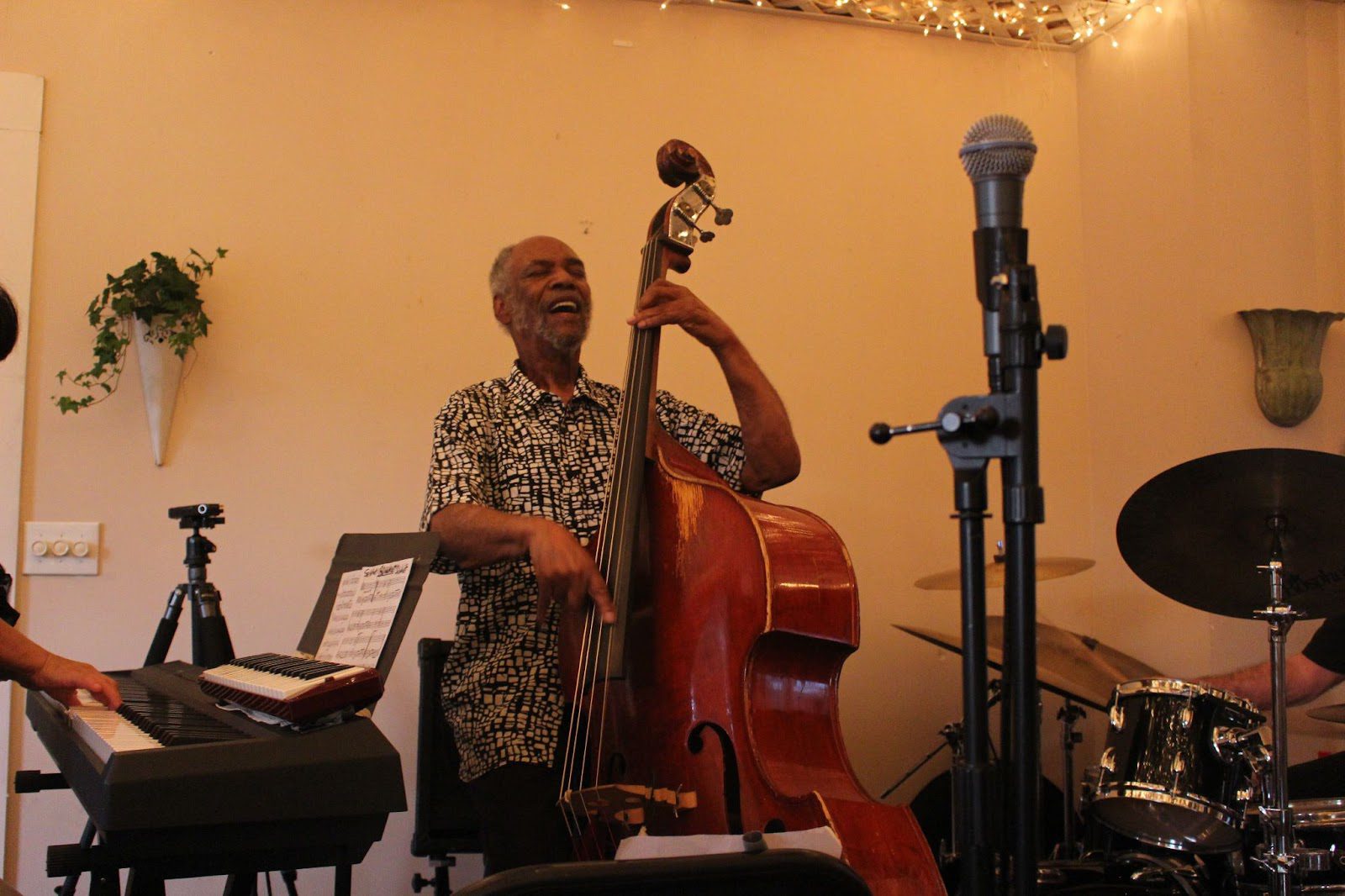
At 15, Eaton performed for the first time as a back-up singer for Leon Davis. After that, he got a music scholarship to the Tennessee A&I State University. Eaton then began playing in the university’s jazz band.
In 1960, after earning a BD in music, Eaton moved to Chicago. Having a huge talent and love for music, he quickly found work. While he was playing at the Sutherland Hotel in Kenwood, he caught the eye of jazz pianist and composer Ike Cole.
Cole helped promote the young musician’s career, which made it grow rapidly. Cleveland started touring with Cole for a year and a half. In addition, he was a session musician, wrote jingles and taught music in public schools.
In one of his major performances, he played with a quintet led by saxophonist Pepper Adams and trumpet player Donald Byrd. Soon, Eaton joined the quintet. A record of their performance at the Joseph’s Coffee House club in St. Louis stll exists today.
After making himself a name, Eaton became popular in Chicago. He always had many concerts in this city. The performance with pianist R. Lewis was one of his most memorable.
CAREER DEVELOPMENT
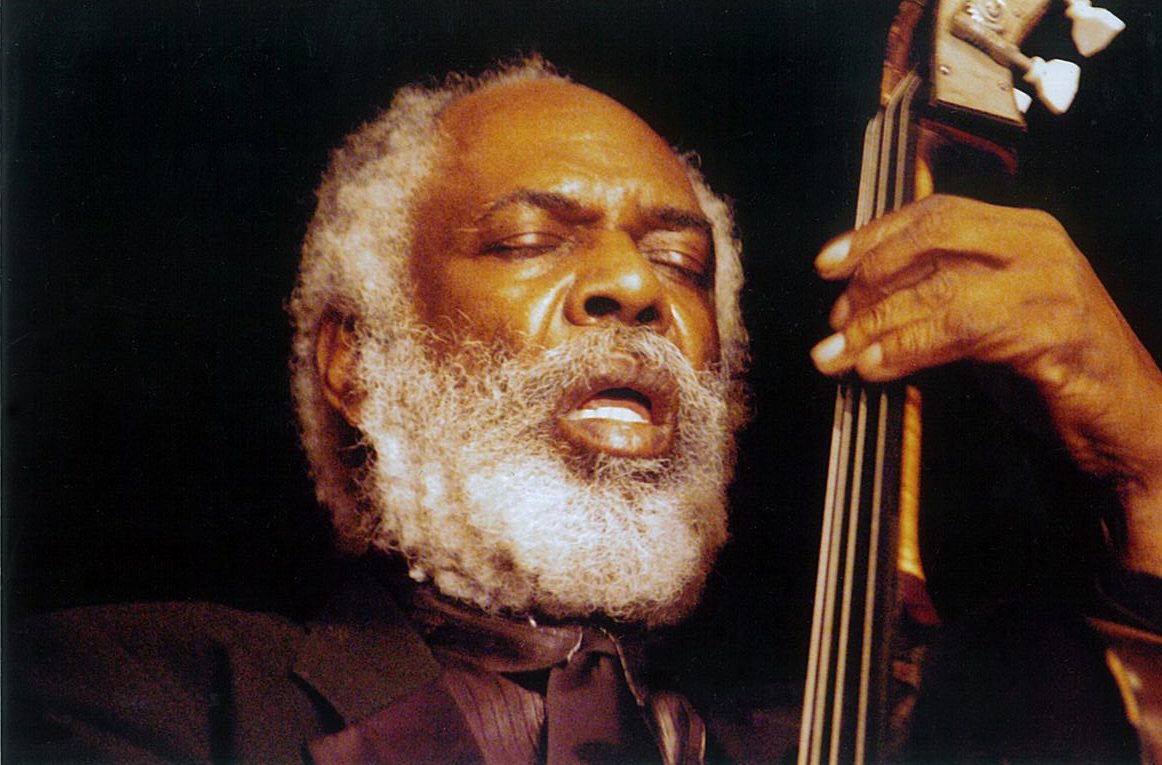
After a while, the man joined a Trio, which included R. Lewis and drummer Maurice White as a permanent member. In the summer of 1966, the Trio created a unique version of the traditional gospel melody “Wade in the Water.” It was first produced by the Chicago label Cadet.
Eaton remained in the Trio for decades. His playing can be heard in all the famous songs released by Cadet under the direction of Charles Stepney.
It is worth noting that the Trio recorded a large number of albums. In his later years, Eaton was able to reach perfection in his skill. He demonstrated his versatility in each album. A bright example of this is “Gemini Rising,” the song in which he used the bowed double bass, thus achieving a clear sound. This album won the RIAA Gold award.
The album “Sun Goddess” became the last collaboration between Cleveland and Lewis.
Cleveland formed his own group Cleve Eaton and Co in 1974 and went on tour with them. In 1975, Eaton created the extraordinary song “Bama Boogie Woogie”, which brought him unprecedented success.
In 1979, Cleveland began working with the Count Basie Orchestra. Their collaboration lasted for 17 years.
In 1981, Cleveland and his wife Myra opened Cleve’s Place, a club in Birmingham. The establishment operated for three years. Eaton was establishing himself as a very influential figure and a stage leader who was second to none.
Because of an exhausting touring schedule, Cleveland left the Basie Orchestra in 1996 and became a music teacher at the University of Alabama in Birmingham.
Throughout his career, Cleveland composed more than 300 songs and performed on stage with world-renowned musicians.
He could overcome throat and prostate cancer, as well as a heart block. Eaton passed away on July 5, 2020, while undergoing rehabilitation at home. The musical heritage of the legend keeps evolving and strengthening.