


Charles John Mahoney, known to the world simply as John Mahoney, emerged as a staple of the American stage during the late 20th century. While he achieved global stardom as the lovable, salt-of-the-earth Martin Crane on the hit sitcom “Frasier,” it was the Chicago theater scene that truly defined him as an artist. His decades-long partnership with the Steppenwolf Theatre Company served as the bedrock of a career that seamlessly blended high-caliber stagecraft with major success in film and television. Discover more at chicago-trend.
Early Life and a New Beginning
Born into a large family in Manchester, England, Mahoney’s childhood was shaped by the evacuations of World War II. His passion for the performing arts sparked early during his time with the Stretford Children’s Theatre. In 1959, at the age of 18, he moved to the United States with the help of his older sister, who was living in Illinois. Mahoney fully embraced his new home: he studied at Quincy University, served in the U.S. Army, earned a master’s degree in English from Western Illinois University, and spent time as a teacher. After becoming a U.S. citizen in 1971, he worked hard to shed his British accent, seeking total integration into American life. However, he didn’t find his true calling until his late thirties, when he made the bold decision to walk away from a stable career to pursue acting full-time.
The Steppenwolf Years and Stage Triumph
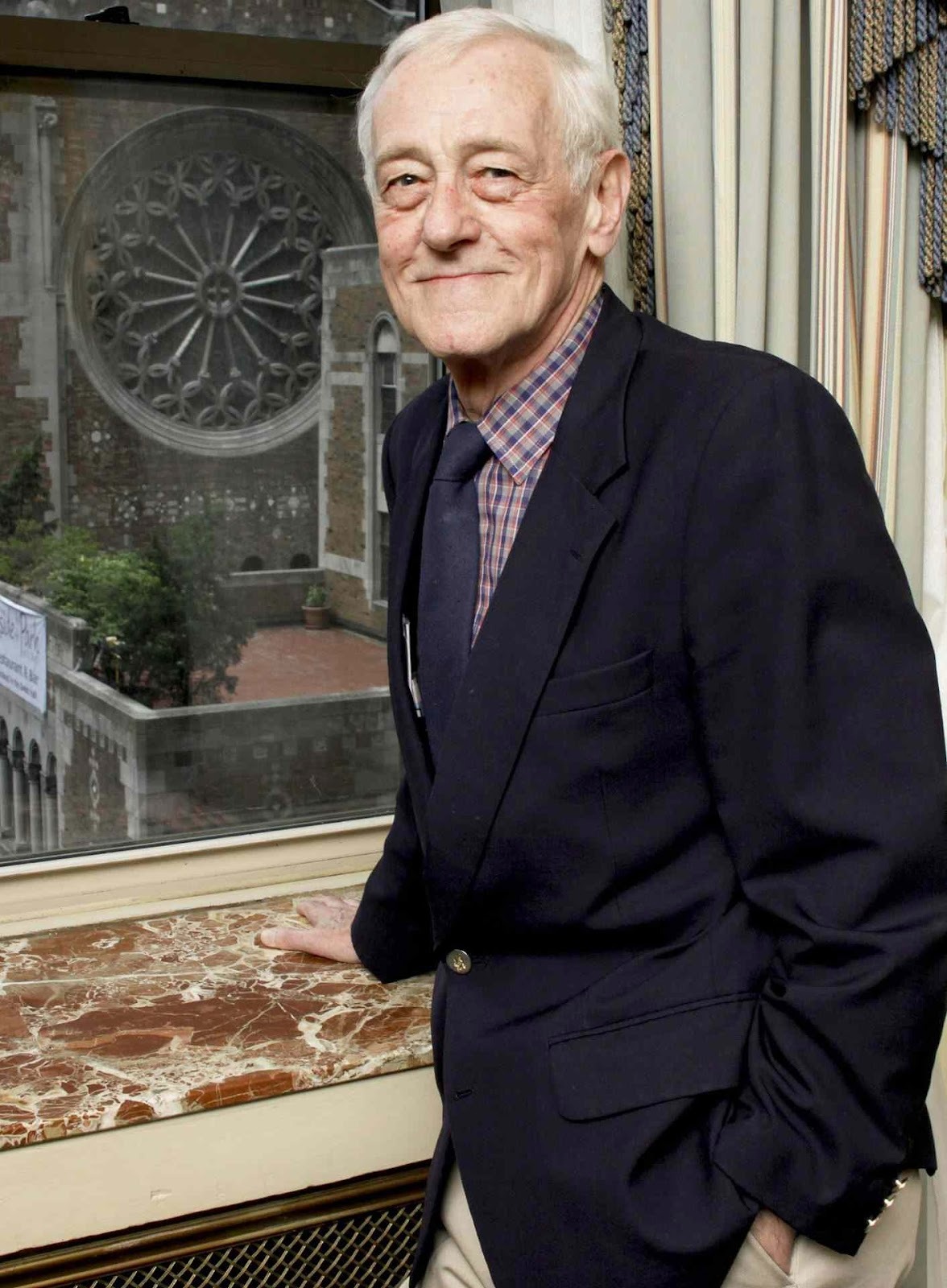
In the late 1970s, Mahoney began honing his craft at Chicago’s St. Nicholas Theatre. A pivotal moment came in 1977 when fellow actor John Malkovich saw his potential and encouraged him to join the Steppenwolf Theatre Company. Within this elite ensemble, Mahoney quickly earned a reputation as a powerhouse character actor. His performance in the 1985 production of Lyle Kessler’s “Orphans” drew rave reviews from national critics. According to Steppenwolf co-founder Gary Sinise, it was this specific show that paved Mahoney’s way into the film industry. His work on “Orphans” was honored with both the Clarence Derwent Award and a Theatre World Award.
The pinnacle of his theatrical career arrived in 1986, when Mahoney won the Tony Award for Best Featured Actor in a Play for his role in John Guare’s “The House of Blue Leaves.” The award was a testament to his talent and grit, proving that an actor who starts professionally in middle age can still reach the very top. Despite his success on Broadway and in Hollywood, Mahoney’s heart remained in Chicago. He remained deeply loyal to Steppenwolf, frequently returning to his artistic home throughout his life.
A Screen Icon and the “Frasier” Legacy
Throughout the 1990s, Mahoney became a familiar face on the big screen, collaborating with legendary directors like Barry Levinson, Peter Yates, and the Coen Brothers. His filmography includes a string of classics such as “Tin Men,” “Moonstruck,” “Eight Men Out,” “Say Anything…,” “Barton Fink,” and “The American President.” Even as his film career took off, he never lost his connection to live theater.
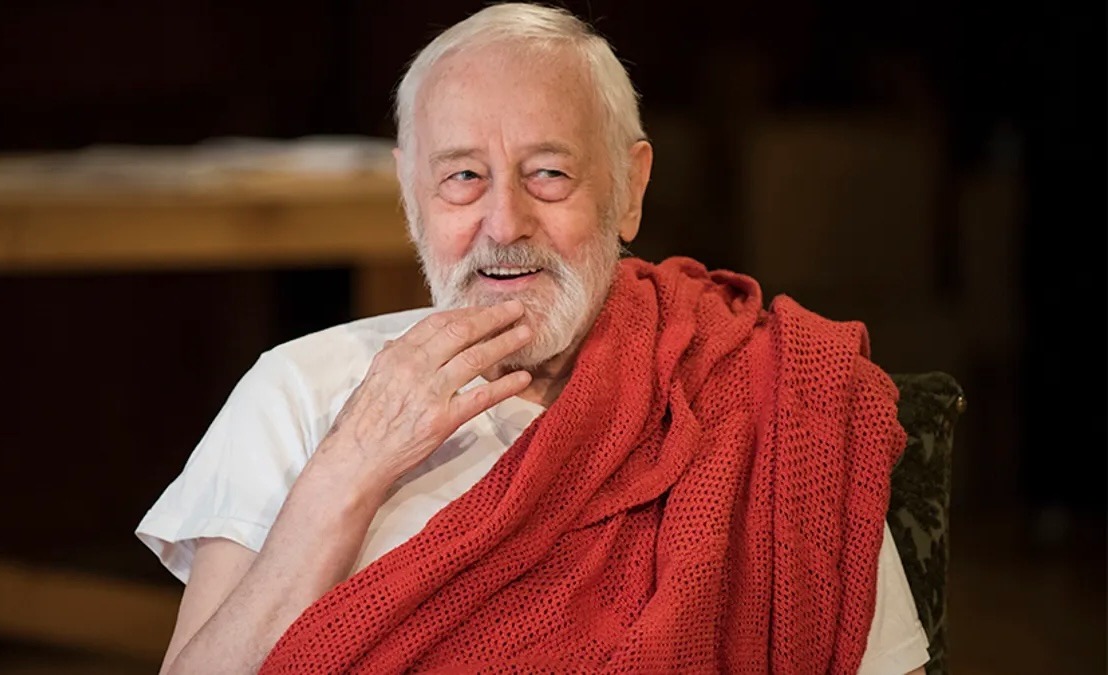
In 1993, Mahoney landed the career-defining role of Martin Crane on “Frasier,” a character he would play until 2004. His portrayal of the cranky but lovable retired cop earned him two Primetime Emmy nominations and two Golden Globe nominations. After “Frasier” ended, Mahoney returned his focus to the stage, starring in the Broadway revival of “Prelude to a Kiss” and working extensively with the Northlight Theatre in suburban Chicago. In 2008, he headlined the world premiere of “Better Late” at Northlight. He also continued his work with Steppenwolf, appearing in “The Birthday Party” in 2013. His final stage performance was in 2017’s “The Rembrandt.” Even while battling health issues, Mahoney refused to stay away from the footlights, often stating that acting was what gave his life meaning.
Personal Life and Resilience
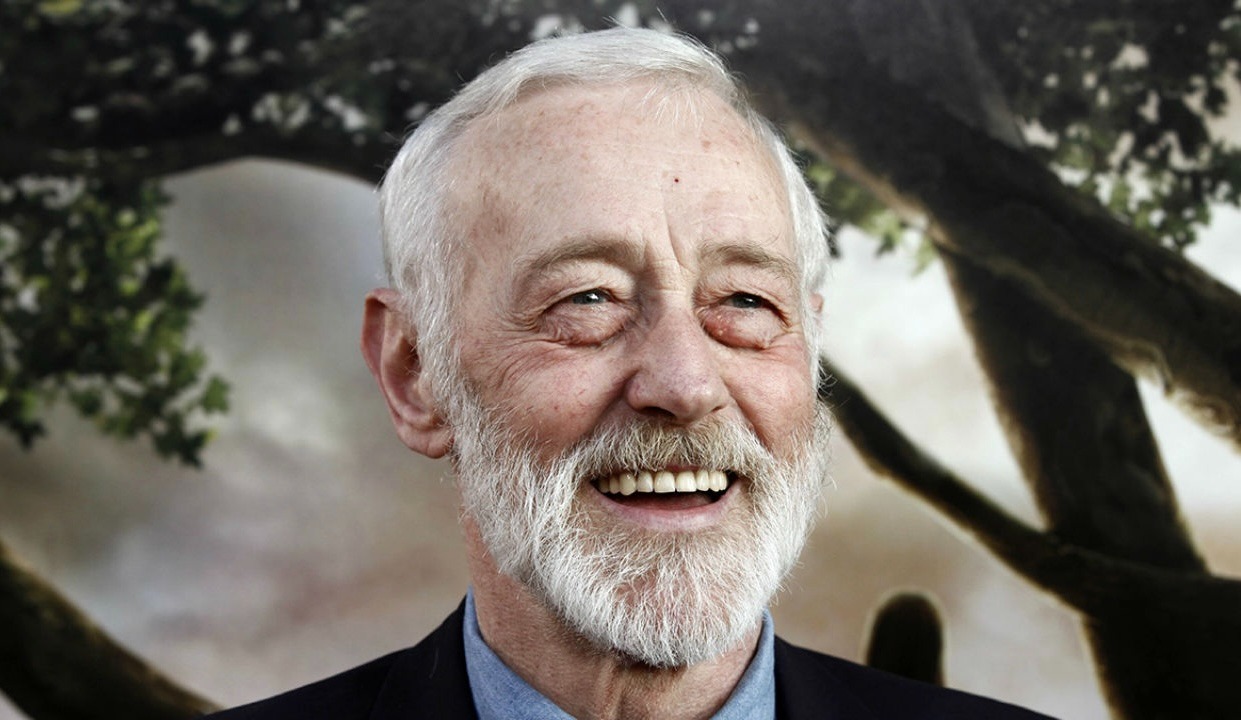
Mahoney lived a quiet life in Oak Park, Illinois, for most of his adult years. It was there that he faced several grueling health battles. In the mid-1980s, he was first diagnosed with colorectal cancer, a challenge that forced him to reevaluate his priorities and his outlook on life. After a successful recovery, he faced the same diagnosis again in 2014. Despite these physical setbacks, Mahoney’s resolve remained unshaken. As late as October 2017, he spoke openly about his determination to keep working.
A deeply private man, Mahoney never married and had no children. In 2002, he admitted that while he had been in several long-term relationships, he never felt they were stable enough to lead to marriage. Faith played a central role in his life; a devout Catholic, he often described his Christianity as “probably the most important aspect” of his existence.
John Mahoney passed away on February 4, 2018, in a Chicago hospice at the age of 77, following complications from throat cancer. His unwavering commitment to his craft, his integrity, and his ability to face personal trials with grace left a profound legacy in the worlds of both theater and television.
Mahoney’s career serves as a masterclass in how dedication to the stage can lead to the highest professional honors. From his early days at Steppenwolf to his Tony Award and subsequent triumphs, he remained first and foremost a theater actor. Chicago was his creative home, and his name is forever etched in the history of American performance as a symbol of depth, discipline, and humanity.