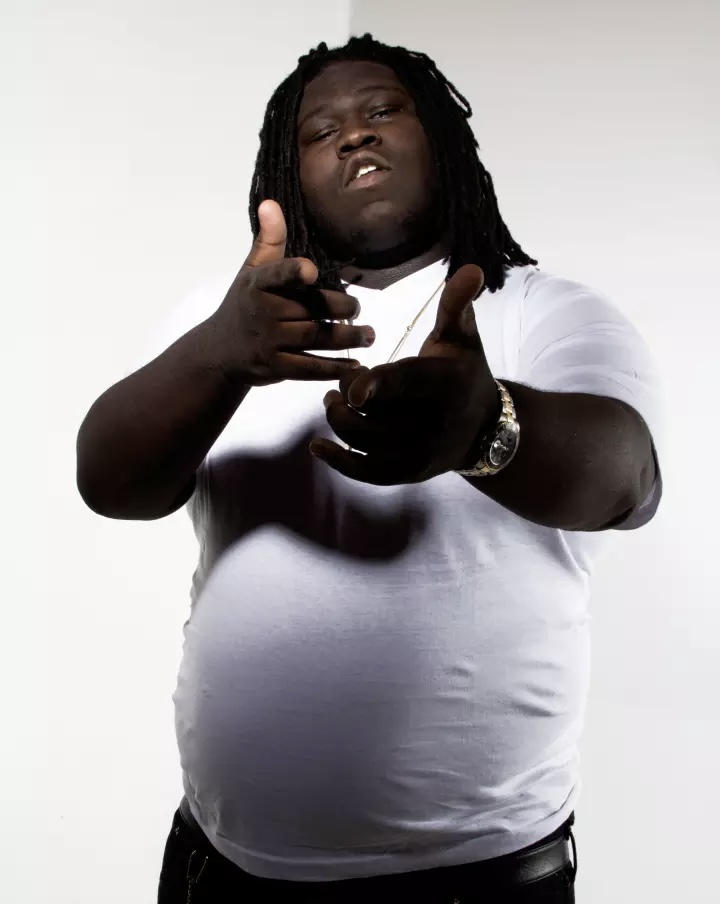
When it comes to drill – the aggressive and magnetic form of hip-hop that exploded onto the scene in the early 2010s – producer Young Chop’s name is among the first that comes to mind. He wasn’t just a key figure; he sculpted its very sound, laying the groundwork for a new sonic wave that reverberated across the U.S. and beyond. Dive deeper into the world of drill at chicago-trend.
Biography
Tyree Pittman, known to the world as Young Chop, was born on November 14, 1993, in South Chicago – an area renowned not only for its tough social realities but also its deeply rooted hip-hop culture. Music entered his life early; growing up, the sounds of Twista, Kanye West, and 2Pac often filled his home, alongside the raw street rap blasting from cars at intersections. Inspired by this environment, Young Chop began crafting his own beats at just 11 years old, using a home computer and FL Studio, which quickly became his weapon of choice. His early tracks were rhythmic experiments with drum machines and synthesizers. He quickly developed an uncanny ability to infuse emotion into sound – a trademark that would define his career.
As a teenager, he started uploading his tracks to YouTube, SoundClick, and MySpace – then the primary gateways to the music world for indie producers. It was there that local rappers like Lil Reese, Fredo Santana, SD, and most importantly, Chief Keef – then a 15-year-old from Englewood – discovered his work. Their online connection sparked a creative explosion. Even before his first major release, Young Chop built a circle of artists and friends who would later become Glory Boyz Entertainment (GBE) – a collective that didn’t just drop music, but truly captured the essence of South Chicago’s streets. Chop set up his studio right in his own home, proving that passion and dedication could overcome the need for expensive gear.
Young Chop has openly battled the mental pressures that come with being in the public eye, as well as the lasting effects of the violence that often defined his youth. He’s also consistently emphasized the importance of artistic independence and creative control, which has led to his decision to avoid long-term contracts with major labels. In the 2020s, Chop often found himself at the center of online controversies, frequently livestreaming his life. This garnered mixed reactions: some fans saw it as genuine authenticity, while others viewed it as self-destructive behavior.
Rise to Fame
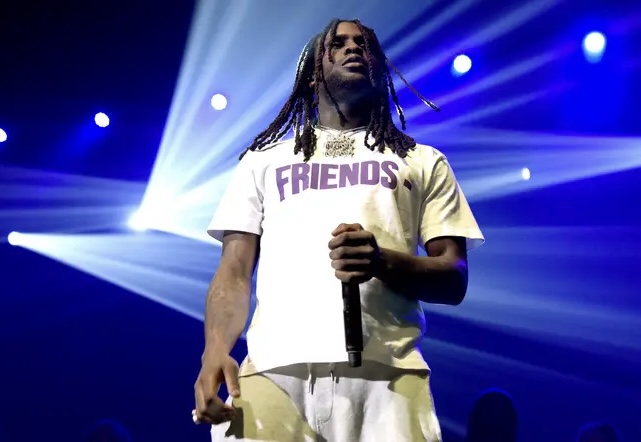
In 2012, Young Chop achieved what many couldn’t in decades – he reshaped the sound of hip-hop. When Chief Keef’s Young Chop-produced track “I Don’t Like” dropped, it wasn’t just a single; it was a cultural earthquake. “I Don’t Like” showcased the defining characteristics of the drill style:
- A minimalistic, cold beat – almost devoid of melody, creating an atmosphere of raw anger and tension.
- Deep, chest-thumping bass, hitting like gunshots.
- Industrial synths – sounding like the metallic grind of the concrete jungle.
- Rapid-fire hi-hats, generating a nervous, suffocating rhythm.
- Chief Keef’s calm yet aggressive voice, delivered with a complete disregard for the rules.
The music video for “I Don’t Like,” shot on a phone in an Englewood apartment hallway, was far from polished, but its authenticity resonated with young people across America. It racked up millions of YouTube views with no major label backing. A remix of the track featuring Kanye West, Pusha T, Big Sean, and Jadakiss propelled drill to new heights. Kanye didn’t just endorse these young artists; he took their sound and brought it to a global stage. Despite his youth, Young Chop publicly criticized the remix, stating he hadn’t approved the beat alteration – a move that solidified his reputation as an independent creator with a clear artistic vision.
This track paved the way not only for Chief Keef but also for a whole generation of drill artists, including Lil Durk, G Herbo, King Von, and Lil Reese. And while drill has since evolved and adapted in London, Brooklyn, and France, it was Young Chop who truly gave this sound its birth.
The Producer
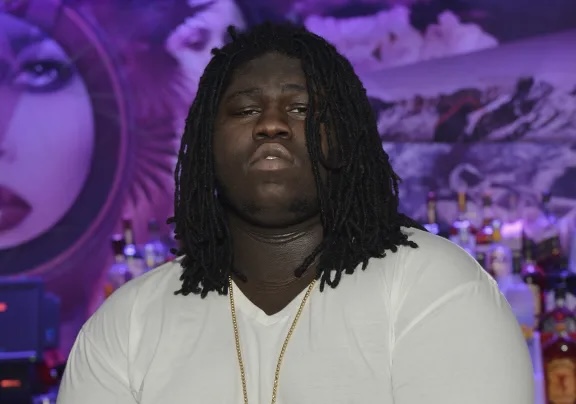
After the phenomenal breakthrough with Chief Keef’s “I Don’t Like,” Young Chop became a magnet for rising rappers. His beat-making vision was instantly recognizable. Lil Durk, Fredo Santana, Lil Reese, King Louie, Lil Herb (now G Herbo), SD – they all collaborated with Chop, crafting generations of aggressive hip-hop that emerged from the raw reality of South Chicago. Chop helped each of these artists find their unique voice while maintaining the overarching spirit of the drill scene.
Over time, his sound began to be imitated across America, from Philadelphia to Toronto. To gain more control over his creative output and to foster new talent, Chop founded his own label – Chop Squad Records – which became a launching pad for numerous rappers and producers. Simultaneously, he expanded his studio empire, investing in production, sound design, and a beat-making platform.
Chop didn’t limit himself to just producing. He began releasing his own albums, showcasing his talents not only as a beatmaker but also as an artist. His solo releases, while not always charting, remained true to his style and authentic sound:
- “Precious” (2013) – his debut, featuring drill in its purest, unadulterated form.
- “Still” (2014) – a more personal release, revealing Chop as a lyricist and narrator of his own story.
- “King Chop” (2016) – his most ambitious project, where he sought to blend the roles of producer, performer, and writer.
- “Don’t Sleep” (2019) – a turn toward experimental sounds, with darker, even industrial moods.