


A distinguished American documentary filmmaker, her name is inextricably linked with Chicago’s Kartemquin Films. Her work is a deep dive into themes of education, gender, justice, and dignity. For decades, she has created films that don’t just tell stories—they impact society. Also, read about the life of Chicago legend Michael Clarke Duncan.Next on chicago-trend.
Biography
Maria Finitzo was born and raised in Illinois in an environment where education, social responsibility, and public service were highly valued. Her family instilled in her the values of honesty, hard work, and empathy. From a young age, Maria felt drawn to stories—not fictional ones, but real, raw, often complex, yet sincere life stories. While studying sociology and film at university, she realized she could combine these two passions: telling socially important stories through the language of cinema. She was particularly interested in the lives of people who remain outside the mass media’s focus: women, teenagers, working-class individuals, and marginalized communities.
In the 1990s, Maria joined the legendary documentary studio Kartemquin Films in Chicago—a hub of independent cinema with a deep social mission. It was here that Finitzo’s unique style began to form: intimate, deeply humane, and built on trust with her subjects and long-term observation.
Despite her recognition in documentary film, Maria Finitzo has always been a person who consciously shields her personal life from excessive publicity. For her, intimacy is not just a theme in her films but a personal value. Finitzo resides in Chicago, a city that has become not only the geographical center of her work but also a source of inspiration. Finitzo has stated in interviews that her family and close friends are her quiet sanctuary, a source of support and inner balance. She has a daughter, whom she raised to be an independent thinker, teaching her to listen to others and be attentive to the world. The director rarely appears at high-profile social events, preferring deep private conversations over flashy interviews. She leads a reserved lifestyle, enjoys reading memoirs, listening to jazz, and spending evenings with a small circle of colleagues who, like her, believe in the power of film as a vehicle for change.
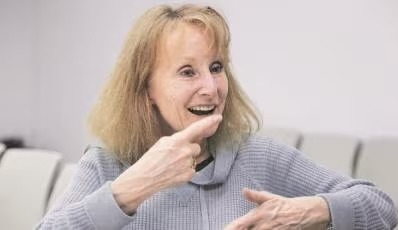
Signature Works
Maria Finitzo’s documentary films are distinguished by their attention to detail, deep immersion into the lives of their subjects, and a striking honesty. She doesn’t create loud sensations; her stories speak quietly but powerfully. Among her many works, two projects particularly stand out, not only earning her acclaim but also serving as examples of how documentary cinema can change a viewer’s consciousness.
The film “5 Girls” is one of the most well-known and profound works in Maria Finitzo’s filmography. For three years, she followed the lives of five teenage girls from diverse racial, religious, and social backgrounds in Chicago. The camera accompanies them on the complex journey of coming of age: first loves, conflicts with parents, the search for identity, and battles with stereotypes and internal fears. “5 Girls” was broadcast on PBS, received a Peabody Award, and has been incorporated into gender studies programs at dozens of American schools and universities.
In the project “Hard Earned,” created in collaboration with other directors, Maria Finitzo once again turns her attention to those rarely seen on the big screen—Americans who work 12-hour days just to feed their families, pay rent, and hold on to hope for a better future. It is a six-part series, with each part dedicated to a specific family. This project not only exposed social inequality in America but also raised critical questions about the value of labor, human dignity, and systemic injustice.
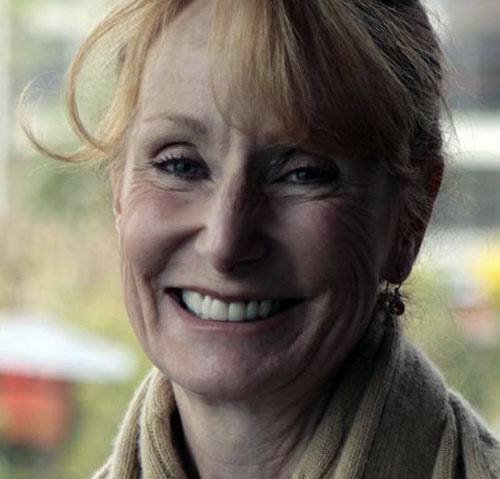
Maria Finitzo’s Creative Approach
Unlike many documentarians who seek to dramatize or structure reality according to a script, Finitzo rejects intrusive intervention. She doesn’t dictate how a shot should look, what a subject should say, or what emotion to convey. Instead, she creates a space of trust where people begin to open up on their own—naturally, sometimes awkwardly, but always genuinely.
In critiques of formulaic documentary approaches, reviewers often call Finitzo’s camera a “social stethoscope.” It’s an accurate and poetic definition: her lens doesn’t just record facts but listens to the pulse—of family life, emotions, internal traumas, and the invisible mechanisms of society. In Finitzo’s films, the camera is not a detached observer or a tool of control. It exists in the frame as a conversational partner—one that listens without interrupting or judging. As a result, the viewer becomes not just a witness but a participant in the process.
This is especially palpable in “5 Girls,” where the subjects eventually come to trust the camera as they would a diary or a friend. In “Hard Earned,” the camera’s presence transforms into a form of support—not a silent judge, but someone who is simply there. Finitzo is extremely mindful of the ethics of the filmmaking process. She never exploits the vulnerability of her subjects or simplifies complex stories for the viewer’s convenience. Her films don’t end with easy answers; they leave questions open, because that is how life itself is structured.
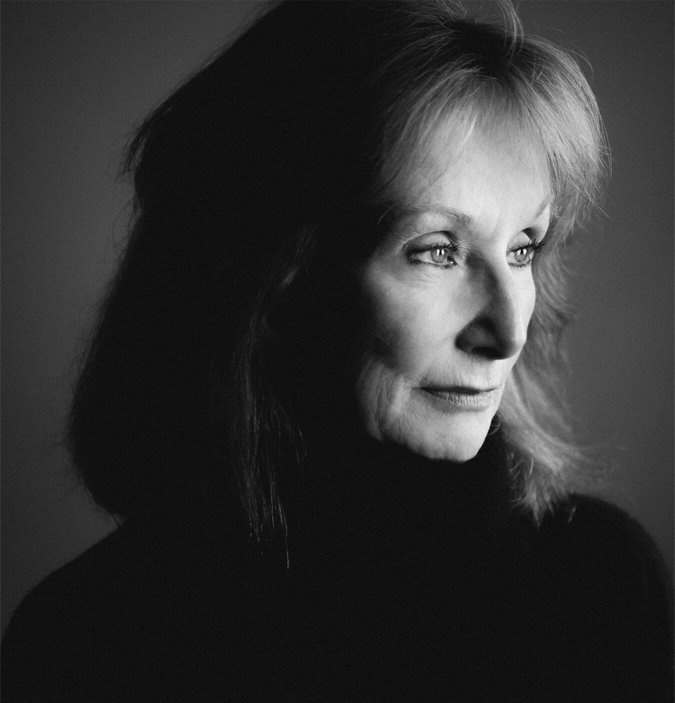
Activism and Advocacy
In addition to directing, Maria Finitzo is active as an educator, mentor, and public advocate. She is deeply convinced that documentary film is not just an art form but also a powerful educational tool capable of fostering critical thinking, raising civic awareness, and helping to build a more just society.
Finitzo regularly conducts workshops and masterclasses on directing, visual storytelling, and ethical approaches in documentary filmmaking. She has lectured at leading U.S. universities, including Northwestern University, the University of Chicago, and Columbia College Chicago, where she has been a frequent guest lecturer.
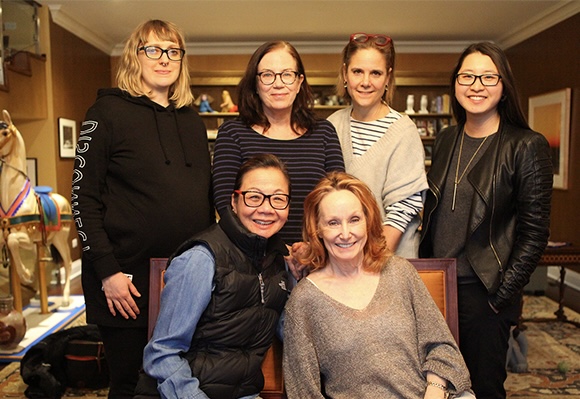
She pays special attention to supporting young women in the film industry. Through mentorship programs, creative labs, and public discussions, Finitzo helps students and emerging filmmakers find their own voice in a profession that has long been male-dominated. She shares not only the techniques but also the philosophy of her work: to see, to listen, to respect.
Finitzo’s films are not confined to movie screens or television channels. They are actively used in schools, colleges, training centers, and community organizations. “5 Girls,” for example, has become part of curricula on gender equality and adolescent psycho-emotional health. “Hard Earned” serves as an important resource in discussions about labor rights, social justice, and inequality.
Maria also participates in social initiatives related to supporting refugees, combating domestic violence, and protecting the rights of women and the LGBTQ community. In her public activities, she constantly emphasizes that the task of a filmmaker is not only to entertain but also to serve the truth, to challenge indifference, stereotypes, and social prejudices.
Maria Finitzo is one of those directors who doesn’t just film about women but films with them. She creates a cinematic space where her subjects can not only speak but also define how their own stories are told. Her films contain no moralizing, no black and white. There is only life—complex, contradictory, painful, and beautiful all at once.
Also, get to know Arnold Szyfman, a prominent figure of the Polish stage who left a significant mark on theatrical art.