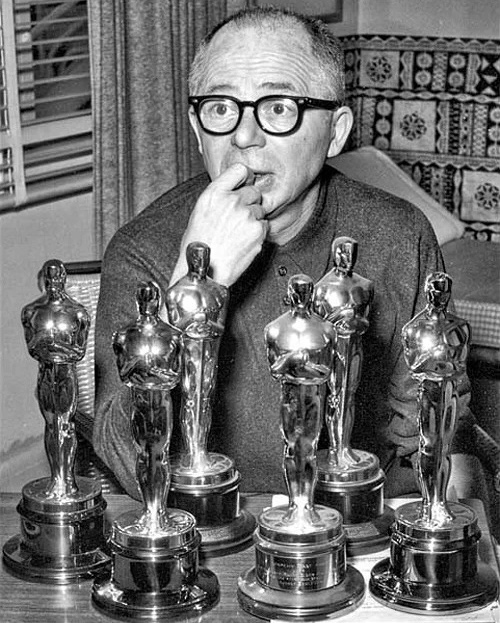
He was one of the 20th century’s most influential filmmakers. The name Billy Wilder became synonymous with sharp wit, subtle humor, and uncompromising talent in the world of classic American cinema. As a director, screenwriter, and producer, Wilder left behind a creative legacy that remains just as relevant in the 21st century. Also, learn about the directors’ favorite, Joseph Sikora. Next on chicago-trend.
Biography
The future legend was born on June 22, 1906, in the town of Sucha Beskidzka. His family was part of the local Jewish community, and he spent his childhood and youth in Vienna, the cultural heart of Austria-Hungary, and later in Berlin. It was there that Wilder began his career as a journalist, working for newspapers and magazines. This experience taught him to observe, listen, and think critically—skills that would later make his screenplays brilliant.
In the 1920s, Wilder started writing screenplays for silent films in Germany. His sharp writing and ability to create vivid characters quickly caught the attention of filmmakers. During this time, he worked actively at UFA, the largest German film studio of the era. However, the rise of Nazism in the 1930s made the situation for Jewish artists increasingly dangerous. In 1933, Billy Wilder was forced to flee Germany. He first went to Paris, where he directed his first film, “Mauvaise Graine.” But the true rebirth of his career came after he moved to the United States. In Hollywood, Wilder found himself in a new world—with a new language, industry, and audience. Instead of getting lost among the many talented immigrants, he rapidly became one of the central figures in American cinema.
Hollywood Breakthrough
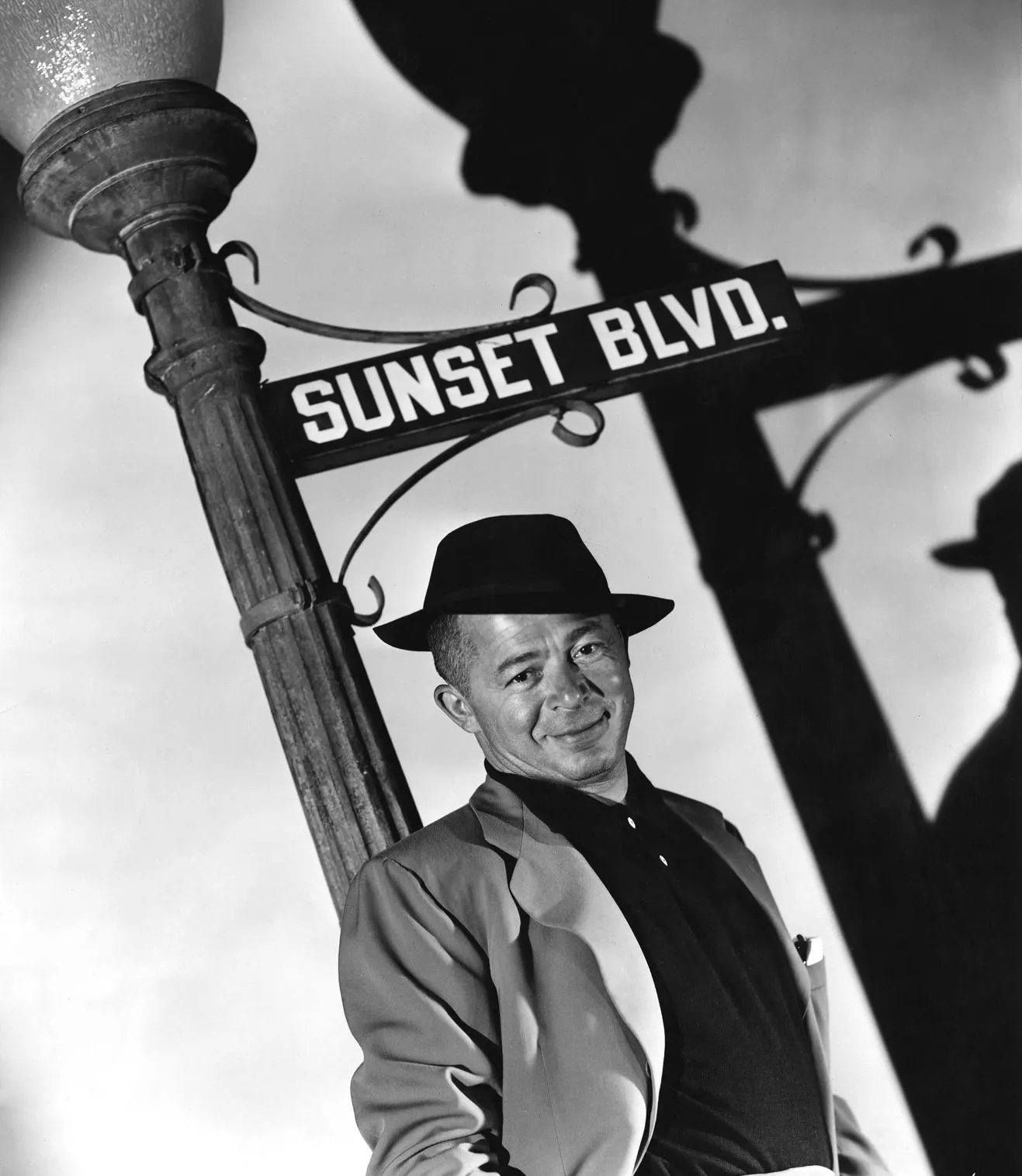
Wilder began as a screenwriter and eventually became a director and producer. His first American films were not only technically flawless but also deeply human. He co-wrote the screenplay for “Ninotchka” (1939), starring Greta Garbo, and went on to create a series of masterpieces: “Double Indemnity” (1944), “Sunset Boulevard” (1950), “Some Like It Hot” (1959), and “The Apartment” (1960)—films that redefined genres, characters, and the very art of cinema.
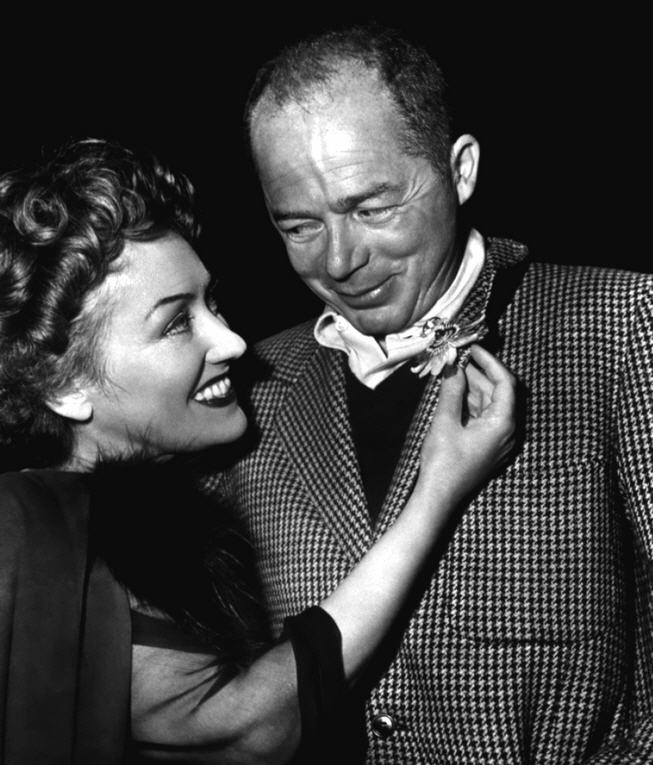
Billy Wilder was a unique director who didn’t just make films in different genres—he set new standards for them. Whether it was drama, noir, satire, romantic comedy, or even war films, he approached every project with depth, precision, and artistic taste. His movies were distinguished by their tight storytelling, multifaceted characters, brilliant dialogue, and an incredible sense of rhythm. He possessed the rare gift of speaking about serious matters with a light touch and about light matters with gravity. His films were never confined to a single tone; they always had subtext, irony, and a social foundation.
A Master of Genres
One of the most outstanding examples of his dramatic talent is “Sunset Boulevard” (1950). It is not just a story about a silent film star but a deep reflection on the world of Hollywood—its cruelty, betrayal, and the eternal conflict between dreams and reality. The film is filled with a chilling atmosphere and sharp psychological insight. It was nominated for 11 Oscars and became a landmark in cinematic history.
Equally significant was “Double Indemnity” (1944), one of the first true film noirs, which solidified the genre’s conventions: the femme fatale, moral ambiguity, an atmosphere of suspense, and dark fatalism. Wilder co-wrote the film with legendary detective novelist Raymond Chandler. The screenplay became a classic, and its visual style influenced a generation of directors.
In comedy, Wilder was just as brilliant. His “Some Like It Hot” (1959) is not just a hilarious story about cross-dressing, jazz, and escaping the mob. It is also a subtle social commentary on gender, sexuality, and societal double standards. The performances by Marilyn Monroe, Jack Lemmon, and Tony Curtis, combined with a sparkling screenplay, made the film a classic. Its final line, “Nobody’s perfect,” has become one of the most famous in movie history.
Wilder also tackled war themes. In “Stalag 17” (1953), he blended the tension of a prisoner-of-war camp with a satirical look at American society. And “The Lost Weekend” (1945), a stark and honest drama about alcoholism, was revolutionary for its time because it depicted the realities of addiction without embellishment.
Wilder managed to avoid being typecast—he was not just a “comedy director” or a “master of noir.” His style was defined by intelligence, irony, and a close examination of human nature. He knew how to find truth in both tragedy and comedy, making audiences laugh and think at the same time. This genre versatility has made Wilder a timeless director whose films continue to be quoted, analyzed, and rewatched today.
The Master Screenwriter
Billy Wilder was not only a genius director but also a masterful screenwriter. He co-wrote the screenplays for nearly all of his films, which allowed him to create a cohesive and meticulously detailed cinematic world. For him, the plot was not just a story but a scalpel that dissected human nature.
His screenplays are models of verbal economy, irony, and precise psychology, with an ability to convey profound ideas through everyday situations. His characters’ lines always sound natural yet carry layers of meaning, subtext, and rhythm. Many of them have become iconic quotes that live on in pop culture. Unlike many screenwriters of his time, Wilder never aimed merely to entertain. His dialogue and scenes always carried depth—even in his comedies.
Decades after their premieres, Wilder’s films remain strikingly relevant. They do not depend on trends, special effects, or sensationalism—only pure, honest storytelling. That is why they continue to impress audiences and inspire filmmakers.
His influence is visible in the works of Woody Allen, Cameron Crowe, the Coen brothers, and many others. Like Wilder, these creators work with psychological depth, often blending humor with melancholy and exploring the essence of human nature through irony. Billy Wilder had a rare gift: to see humanity’s weaknesses without scorning them. There is no judgment in his films—only understanding. He laughed, but he never mocked. He showed the darkness but never gave up on hope.
Awards and Legacy
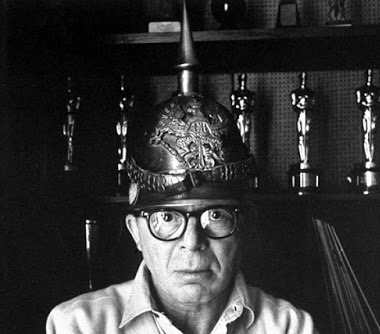
Despite his boldness and often provocative themes, Wilder had the rare ability to remain appealing to a wide audience. His films were both intellectual and entertaining—a rare quality. That is why the Academy repeatedly honored his talent:
- “The Lost Weekend” (1945): 4 Oscars, including Best Picture and Best Director.
- “Sunset Boulevard” (1950): 11 nominations and 3 wins.
- “The Apartment” (1960): 5 Oscars.
He also received numerous other nominations for his screenplays, adaptations, and producing work. His legacy, however, runs much deeper than a list of statuettes. Wilder opened new horizons for screenwriters, proving that a story could be both entertaining and critical. He spurred the development of film noir, a new wave of satirical comedy, and intellectual mainstream cinema. Most importantly, he never looked down on his audience. In every scene, there is a respect for their intelligence, sensitivity, doubts, and emotions. His Oscars are not just proof of recognition. They are a symbol that great cinema can be honest, profound, and thrilling all at once.