


Chicagoans have been listening to classical music for decades. Since the time this genre has appeared, each performer pursued their own goals. Some played music to express their artistic potential, while others used it as a way of earning money. According to chicago-trend.com, this genre of music has been and remains the most popular in Chicago.
THE BIRTH OF CLASSICAL MUSIC
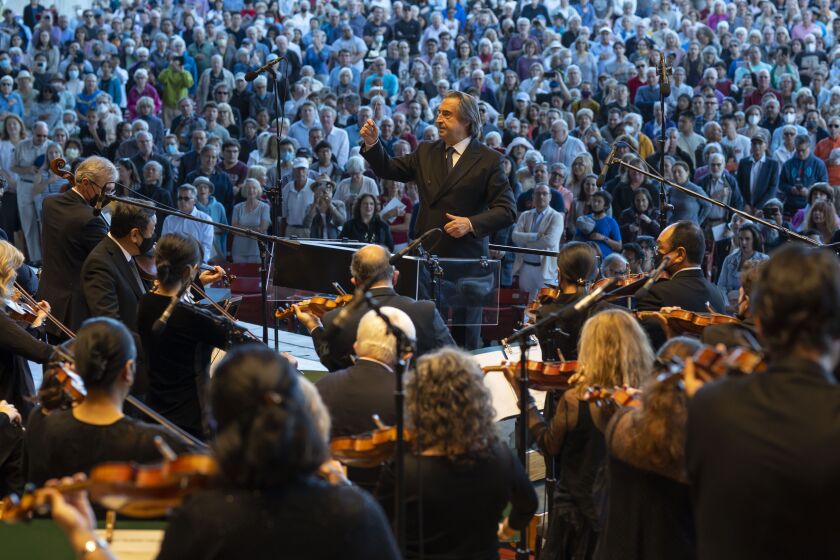
From the moment of its appearance, classical music demonstrated the cultural development and economic power of Chicago. The locals listened to it from the city’s foundation and the adoption of its charter in 1830. Early settlers Mark Beaubien, John Kinzie and Jean-Baptiste Beaubien were well-versed in musical instruments and often played at dances in the Sauganash Tavern.
In 1834, the first music school was opened in Chicago. The following year, Samuel Lewis opened another school. In 1835, a shipment of pianos was brought to the city. The first amateur musical groups began to appear during that period.
In 1847, Frank Lumbard was appointed vocal instructor in public schools. Thanks to Lumbard, most residents soon began to choose music education because it became prestigious.
As the city expanded, world-renowned artists frequently visited Chicago for concerts while on tour. At their performances, they exquisitely combined classical music with virtuoso acts.
In 1848, famous pianist Richard Hoffman visited Chicago. In 1853, the “queen” of soprano Adelina Patti and violinist Ole Bull performed on the Chicago stage. Globally famous pianist Louis Moreau Gottschalk came to Chicago several times. In 1853, the German orchestra won the hearts of Chicagoans by presenting Beethoven’s first complete symphony. From 1869, the Theodore Thomas Orchestra started giving concerts every year.
As for the first music venues, Rice’s Theater was among the first to open in 1847. The next year, in 1850, Tremont Music Hall opened its doors. McVicker’s Theater began operating in 1857.
In 1865, Crosby’s Opera House was opened. It had a first-class 3,000-seat hall. It was predicted that world-renowned touring musicians would perform in this hall. However, this never happened, as the cultural market was constantly changing. Theater owners amalgamated stages with commercial, office and hotel premises to increase revenues.
CHICAGO PHILHARMONIC
Until 1890, amateur associations, especially choral groups, regularly performed in Chicago. European immigrants who arrived in the city formed choirs.
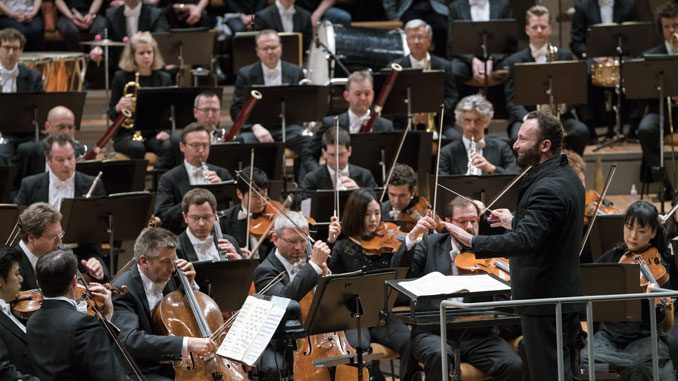
The foundations laid by Chicago’s amateur musical societies and guest musicians enabled the creation of the first permanent professional musical ensemble in the city. In 1891, the Chicago Symphony Orchestra debuted with Wagner’s “Faust” overture.
Under the guidance of professional conductors, the Symphony Orchestra became the core of the city’s musical culture.
In 1957, the Chicago Symphony Chorus was created, led by Margaret Hillis.
Although people could enjoy opera in Chicago from 1850, performances were not very frequent because of the absence of a resident company. Nevertheless, an opera festival was held in 1885, which attracted over 100,000 spectators.
In 1910, Chicago Grand Opera Company was founded in the city. Verdi’s “Aida” was performed in the opening ceremony. Due to the high popularity and generous financial aid from Harold and Edith McCormick, the Grand Opera became known throughout the country.
MUSIC TEACHING
The development of classical music in Chicago led to the opening of music schools. In 1867, Florence Ziegfeld founded the Chicago Academy of Music, which was later renamed Chicago Musical College. Among other educational institutions were the Music Conservatory of the Chicago College of Performing Arts and Sherwood Music School.
In 1913, the Civic Music Association of Chicago was founded. It promoted music education, attending concerts and public singing.
Among the prominent composers of that time in Chicago were Dudley Buck and Frederick Grant Gleason. It is worth noting that they usually worked in churches or taught in music schools and universities. The number of professional musicians significantly increased in the city owing to the composers’ skill and efforts.
PRESERVATION OF MUSICAL HERITAGE
It is in Chicago that rich collections and research materials in music are kept. The Newberry Library holds rare musical sources from the Renaissance era, while the public library stores an archive of local blues. The Field Museum features an extensive collection of musical instruments dating back to 1893 (the period of the World’s Columbian Exposition).
Works by Henry Cowell and John Cage can be found at the Northwestern University Music Library.
Analyzing all of the above, one can conclude that the advancement of classical music was correlated with the growth and development of Chicago. Meeting the educational, commercial, artistic and other needs of the city, this genre of music took its rightful place in the multifaceted cultural life of Chicago.
Residents really enjoy listening to contemporary classical music composed by legendary musicians.