
The Smashing Pumpkins: The 1990s Chicago Underground Phenomenon and the Siamese Dream Era

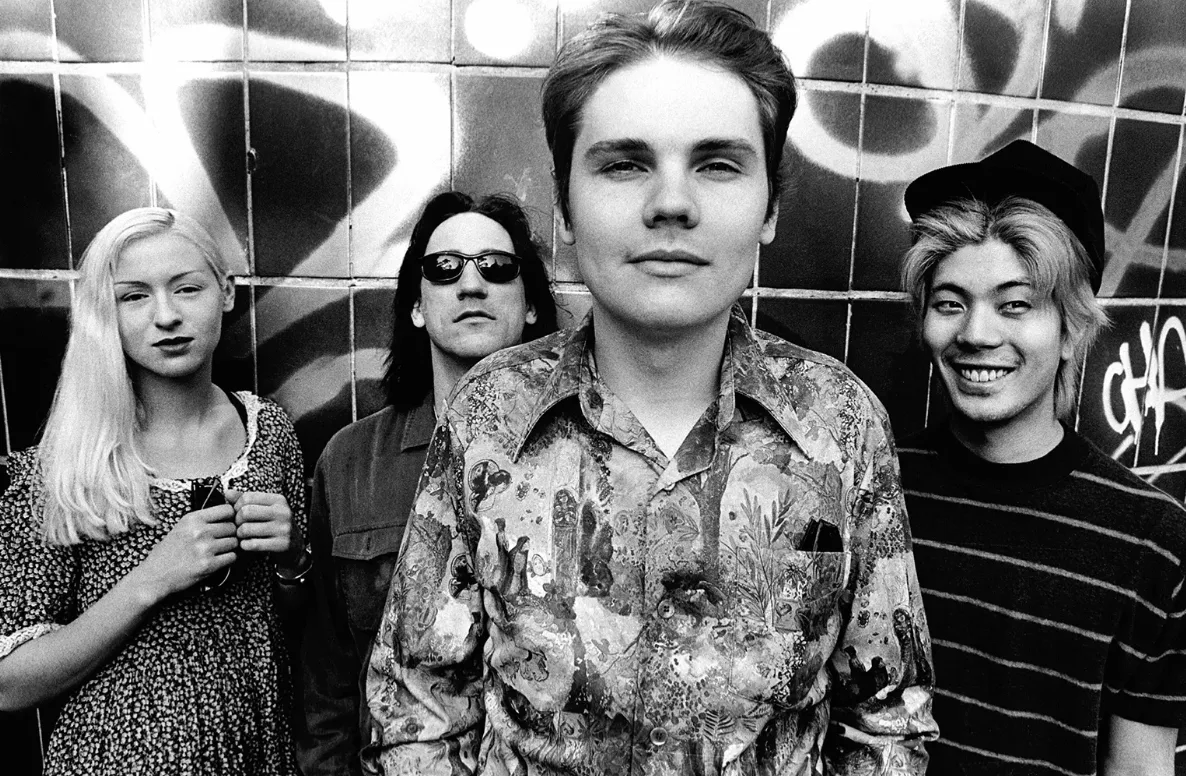
The early 1990s marked the golden era of alternative rock, yet the fiercely guarded Chicago underground lived by its own uncompromising code. While local punk and noise acts took pride in their fiercely independent ethos and scoffed at commercial success, four ambitious outsiders defied convention to create one of the most monumental albums of the decade. How did the band survive the hostility of their local scene, navigate turbulent internal dynamics, and record the seminal Siamese Dream? The editorial team at chicago-trend.com takes an in-depth look into the phenomenon of The Smashing Pumpkins.
Caught Between Industrial and the Punk Elite: Why the Early Smashing Pumpkins Alienated the Chicago Underground
The band’s story began in Chicago in 1988, when Billy Corgan and James Iha started experimenting with sound using only electric guitars and a drum machine. Their debut performance took place on July 9 of that year at the modest Chicago 21 Club. The true turning point came courtesy of Joe Shanahan, owner of the legendary venue Metro. Shanahan agreed to give the fledgling outfit a stage, but on one strict condition: they had to find a real, live drummer. That ultimatum led them to jazz-trained percussionist Jimmy Chamberlin. Soon after, a chance encounter brought bassist D'arcy Wretzky into the fold, locking in the classic Smashing Pumpkins lineup.
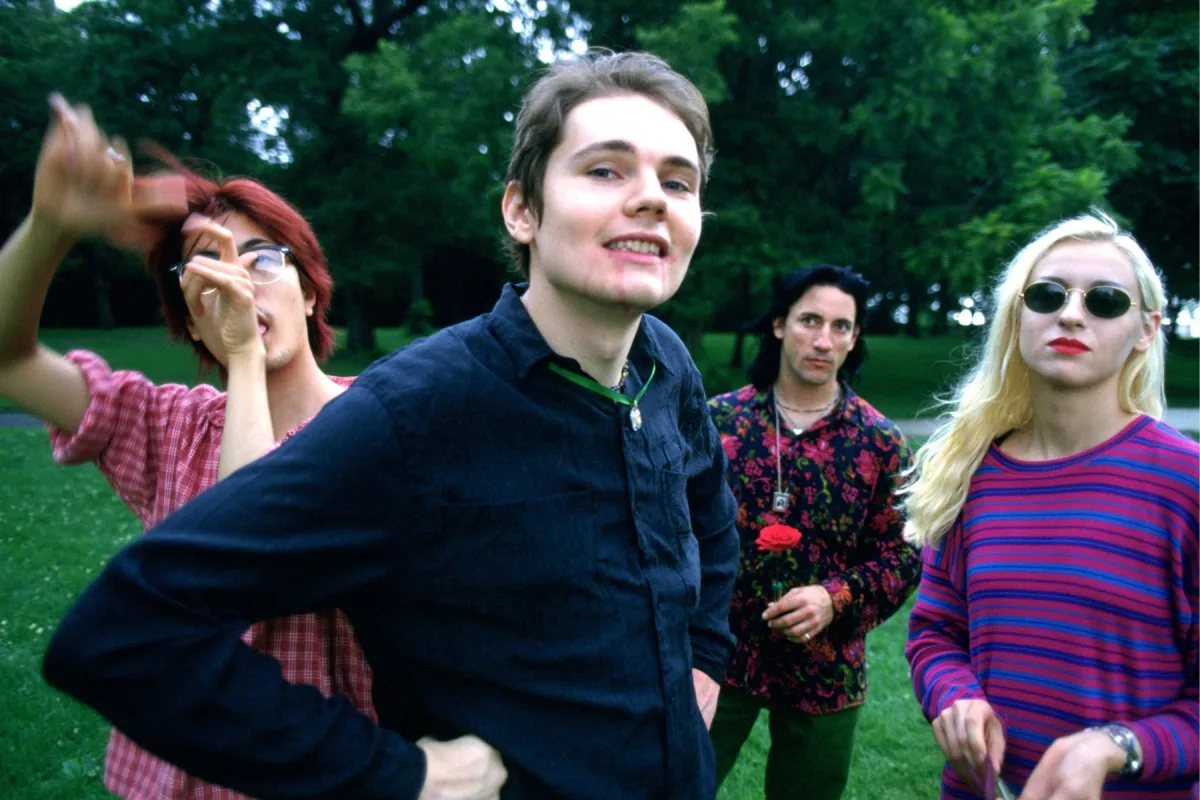
By the late 1980s, Chicago's music scene was sharply fractured. The city whose musical identity had been forged by the legendary Chess Records had moved on to drastically different sounds. The local landscape was divided between the abrasive, uncompromising punk and noise-rock coalescing around Touch and Go Records, and the dark, throbbing industrial hub anchored by Wax Trax! Records. In this environment, Corgan and his bandmates were unmistakable outliers. They openly embraced the gothic sensibilities of The Cure and Depeche Mode, fusing them with crushing Black Sabbath-inspired riffs and 1970s arena rock ambition.
To Chicago's underground gatekeepers, this unabashed approach bordered on sacrilege. The local indie cognoscenti viewed commercial aspiration and major-label interest as the ultimate sellout. Undeterred by the pushback from purists, the band forged ahead on their own terms:
- In 1990, they dropped their debut single, "I Am One," on the boutique imprint Limited Potential, immediately turning heads across the industry.
- By 1991, they delivered their full-length debut, Gish, produced alongside a rising talent named Butch Vig.
- The debut became an unexpected grassroots blockbuster, moving over 300,000 copies and defying indie expectations.
This runaway commercial success instantly propelled The Smashing Pumpkins far beyond local renown. The band's rise mirrored the relentless climb to elite competition seen in professional athletics, where driven underdogs suddenly find themselves competing in the premier league. They were no longer merely another promising Chicago indie band. Looming ahead were major contracts, international tours, and an unrelenting spotlight that would ultimately serve as the pressure cooker for their defining masterpiece.
A Georgia Retreat as Sanctuary: Substance Abuse, Heartbreak, and Corgan's Studio Dictatorship at Triclops
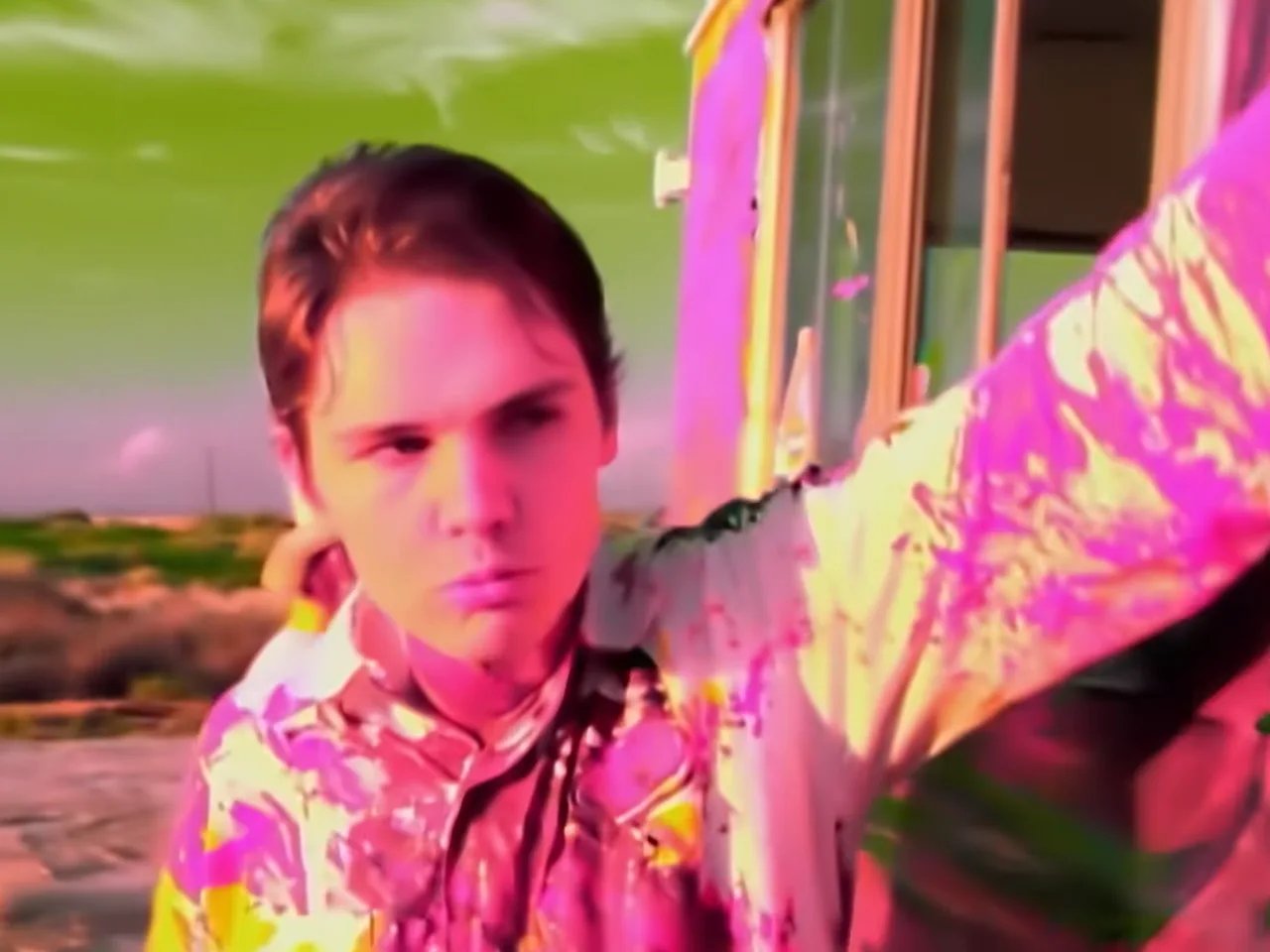
Rather than bringing relief, the breakthrough success of their debut unleashed crushing pressure and towering industry expectations. As work on their sophomore LP got underway, the band teetered on the brink of total collapse. The romantic relationship between James Iha and D'arcy Wretzky had imploded, leaving them barely on speaking terms. Drummer Jimmy Chamberlin was spiraling deep into severe substance abuse. Billy Corgan himself was battling paralyzing depression and writer's block, later acknowledging that he was frequently plagued by suicidal ideation while writing the material.
In a bid to preserve the group and cut Chamberlin off from his familiar network of Chicago dealers, recording sessions were relocated far from home between December 1992 and March 1993: Triclops Sound Studios in Marietta, Georgia. The quarantine strategy hit an immediate snag—even in unfamiliar territory, the drummer quickly tracked down drugs. The situation deteriorated to the point where Chamberlin had to be sent to rehab mid-session. Yet upon his return, he delivered what would become the most virtuosic, electrifying drum performances of his career.
Inside the studio, Corgan instituted a strict, unilateral dictatorship. Consumed by perfectionism and unwilling to endure endless retakes from his bandmates, the frontman took it upon himself to re-record nearly all the guitar and bass tracks. The production of Siamese Dream rapidly turned into a grueling test of endurance.
| Session Metric | Production Details |
| Work Schedule | 12 to 15 hours a day, initially 6 days a week, ramping up to 7 days a week toward the end |
| Financial Strain | Constant revisions and perfectionism pushed the album $250,000 over budget |
| Technical Rig | Recorded entirely to analog tape (twin Studer tape machines, Neve mixing console) |
| Atmosphere | As Butch Vig later recalled: "The band was in complete disarray, everybody was at each other's throats." |
This uncompromising regime brought the musicians dangerously close to a collective nervous breakdown. Yet that immense friction, harnessed by relentless sonic precision, yielded the towering, monolithic wall of sound that would come to define the band's identity.
The Layered Perfectionism of Siamese Dream: Butch Vig's "Guitar Maps" and a Punishing Mix
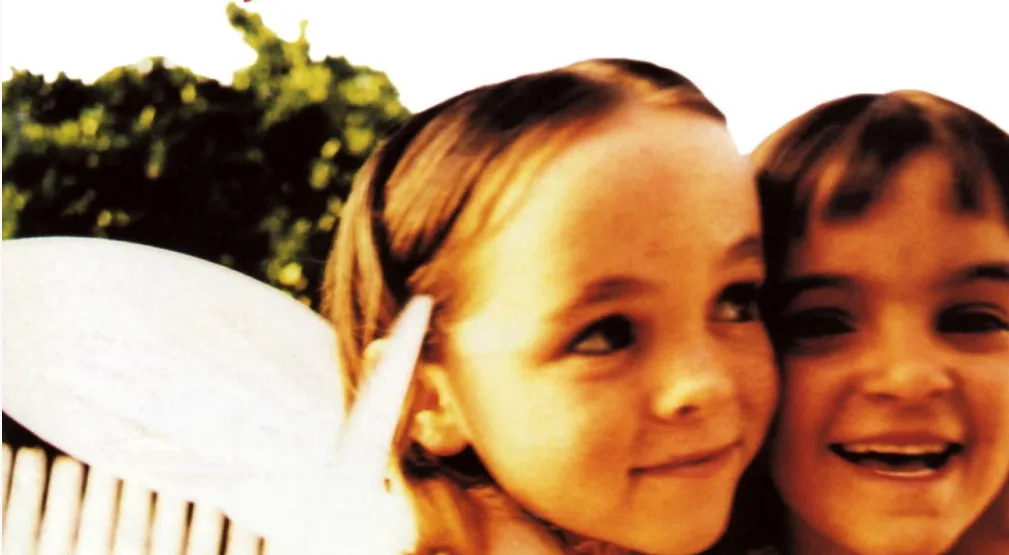
Billy Corgan and Butch Vig intentionally pursued a lush, hyper-detailed, almost "overproduced" aesthetic. In stark contrast to the raw, stripped-down grunge dominating the airwaves at the time, Siamese Dream was constructed like an intricate architectural monument. The record's core sonic tension relied on the juxtaposition of earth-shattering fuzz riffs against fragile, shimmering melodies. To achieve this cavernous density, they tracked layer upon layer of guitars—sometimes stacking up to 40 individual tracks on a single song.
Balancing arrangements of this magnitude on analog tape was a formidable engineering feat. This degree of layering demanded surgical precision and iron discipline. The tracks grew so dense and complex that Vig had to draw detailed visual "guitar maps" on paper just to keep track of which tape track held which part and when each flourish was supposed to drop into the mix.
Post-production shifted to Rumbo Recorders in Los Angeles for the final stretch. Renowned British engineer Alan Moulder—celebrated for his work on My Bloody Valentine's shoegaze benchmark Loveless—was brought in to assist with mixing. While originally slated to wrap in two weeks, obsessive scrutiny over every nuance stretched the mix to an exhausting 36 days. Legendary mastering engineer Howie Weinberg applied the final polish, cementing the record's place in rock history.
Prophets Outside Their Hometown: Multi-Platinum Stardom and the Road to Mellon Collie
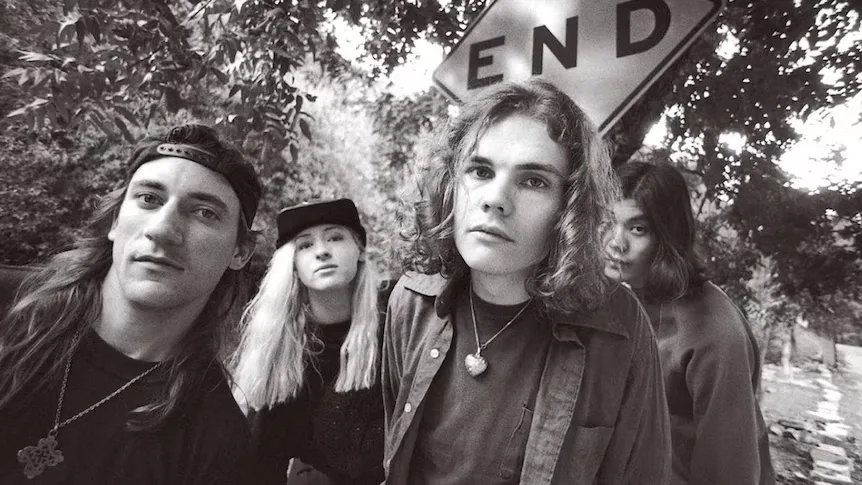
Released on July 27, 1993, via Virgin Records, Siamese Dream decisively altered the alternative music landscape. The album made a commanding debut at number 10 on the Billboard 200 and climbed all the way to number 4 in the UK. Anthems such as "Cherub Rock," "Today," "Disarm," and "Mayonaise" seamlessly married grunge heaviness with breathtaking vulnerability. The record eventually earned quadruple-platinum certification in the United States, with worldwide sales surpassing six million copies.
Yet despite their global triumph, the band remained persona non grata to much of the Chicago underground. Hardcore purists never forgave their arena-sized ambitions, accusing Corgan of selling out to the mainstream. Nevertheless, the album solidified The Smashing Pumpkins as Chicago's defining musical export of the 1990s, standing tall alongside local luminaries like Liz Phair and Urge Overkill.
Commercial superstardom did not dissolve the band’s internal turmoil. Jimmy Chamberlin would battle his personal demons through recurring departures and reconciliations, while Corgan’s creative grip over the project only tightened. Still, surviving the crucible of Siamese Dream provided the endurance they needed for what came next. In 1995, the band delivered their sprawling magnum opus: the double album Mellon Collie and the Infinite Sadness, firmly establishing The Smashing Pumpkins at the pinnacle of modern rock.