
Chess Records Studio: How a South Michigan Avenue Label Shaped the Sound of Global Blues and Rock ’n’ Roll

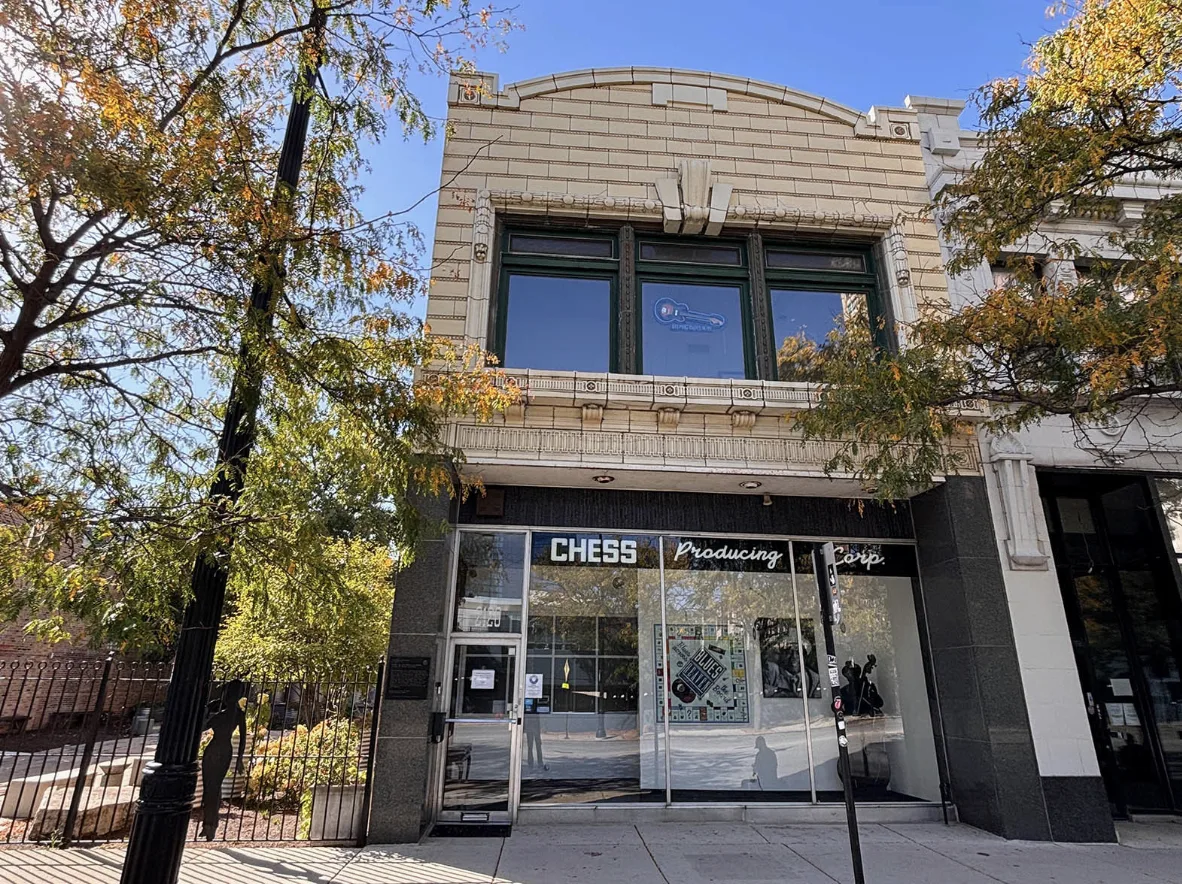
The history of 20th-century American music is impossible to imagine without one specific Chicago address. It was here that acoustic Delta blues was plugged into an amplifier, and rhythm and blues took its first bold steps toward rock ’n’ roll. Behind this monumental cultural shift stood Chess Records. The independent label revolutionized the recording industry by bringing together visionary Black musicians and creating a raw, electrifying sound that would inspire generations of iconic British rock bands. Details — on chicago-trend.com.
Founding the Label Amid the Great Migration
The label's founders, brothers Lejzor and Fiszel Czyż, arrived in Chicago in 1928 as Jewish immigrants from Poland. They soon Anglicized their names to Leonard and Phil Chess, cutting their teeth as entrepreneurs by managing bars on the city’s South Side. Their most prominent venture was the Macomba Lounge. Recognizing the vital importance of quality sound and stage gear, the brothers outfitted the venue to quickly become the beating heart of local nightlife.
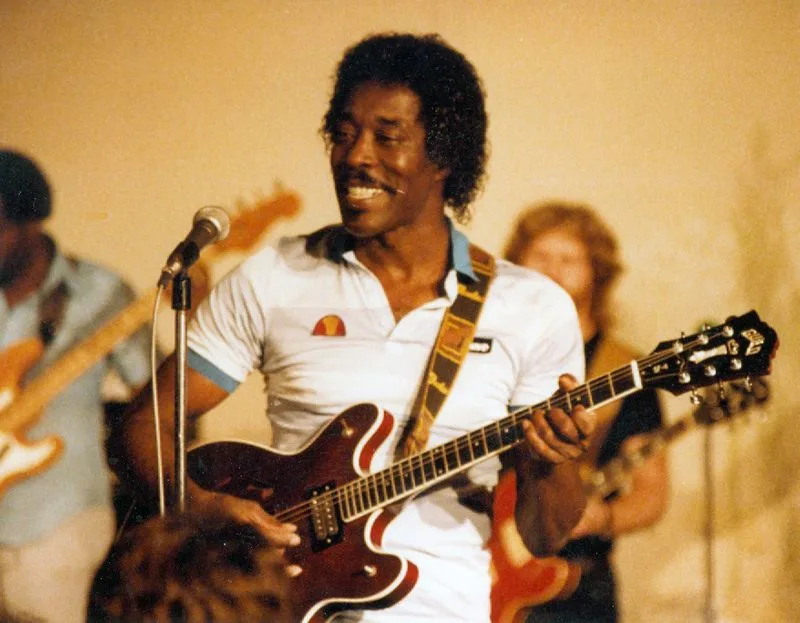
At the time, Chicago was being transformed by the Great Migration. Seeking factory jobs, hundreds of thousands of African Americans relocated from the rural South to the industrial North, bringing deep Delta blues traditions with them. In crowded, noisy city clubs, quiet acoustic instruments simply could not cut through the chatter. Musicians responded by plugging their guitars directly into tube amplifiers, cranking up the volume.
The Chess brothers caught onto this wave early, recognizing that this hard-edged urban sound had tremendous commercial appeal. In 1947, Leonard bought a stake in local recording venture Aristocrat Records. Within three years, the brothers bought out the business entirely, reorganized it, and relaunched in 1950 under the Chess Records banner. It proved to be a masterstroke: the company established a launching pad for artists who were redrawing America’s entire musical landscape.
The Legacy of 2120 South Michigan Avenue
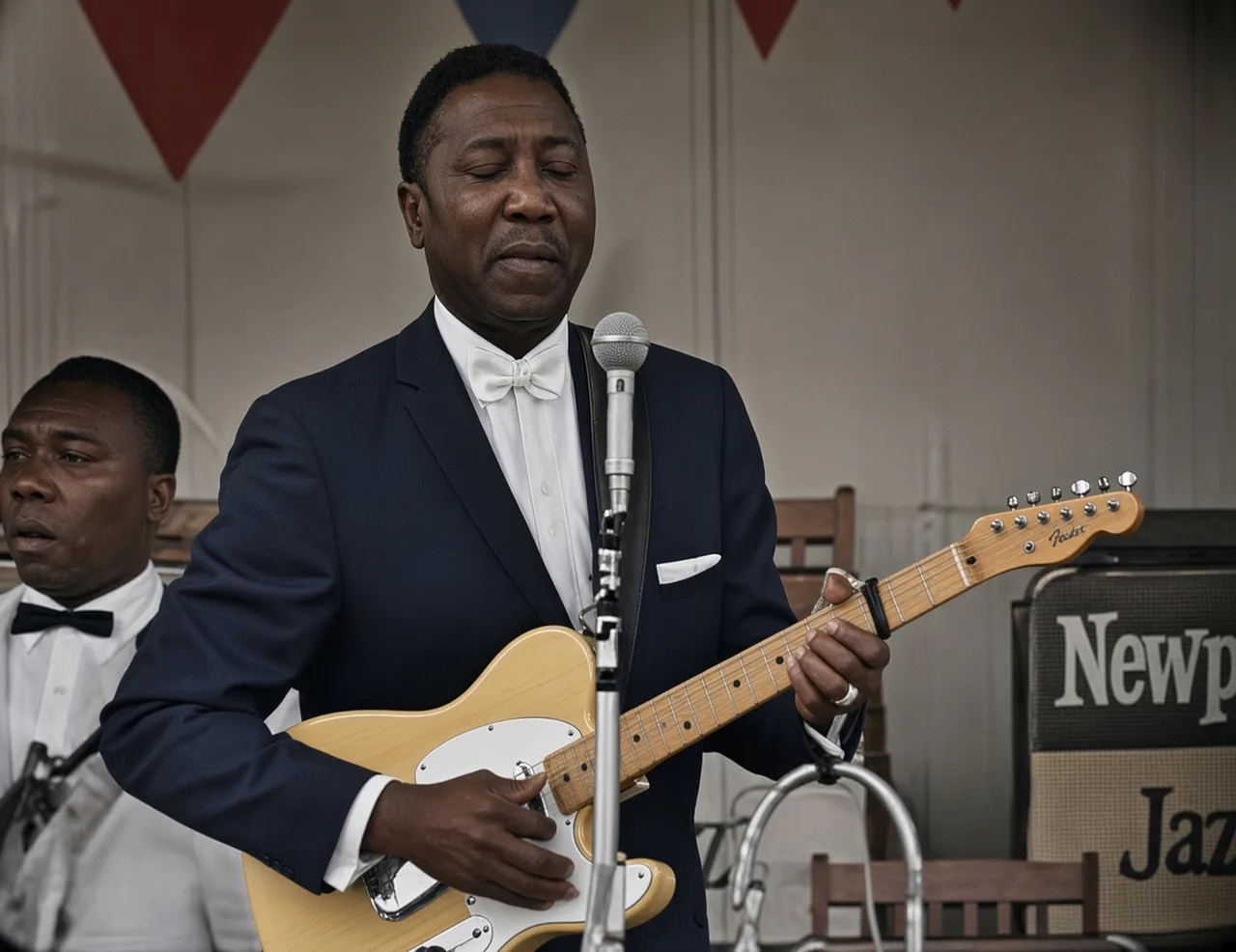
Between 1956 and 1957, the label relocated to a two-story building in the district known as "Record Row." Here, the Chess brothers established a complete in-house setup: management offices, spacious storage facilities, and their own dedicated recording studio. Soon, 2120 South Michigan Avenue became the definitive epicenter of the genre. Within these walls, the label’s foundational artists tracked their most legendary material:
- Muddy Waters and Howlin' Wolf;
- Chuck Berry and Bo Diddley;
- Etta James and Little Walter.
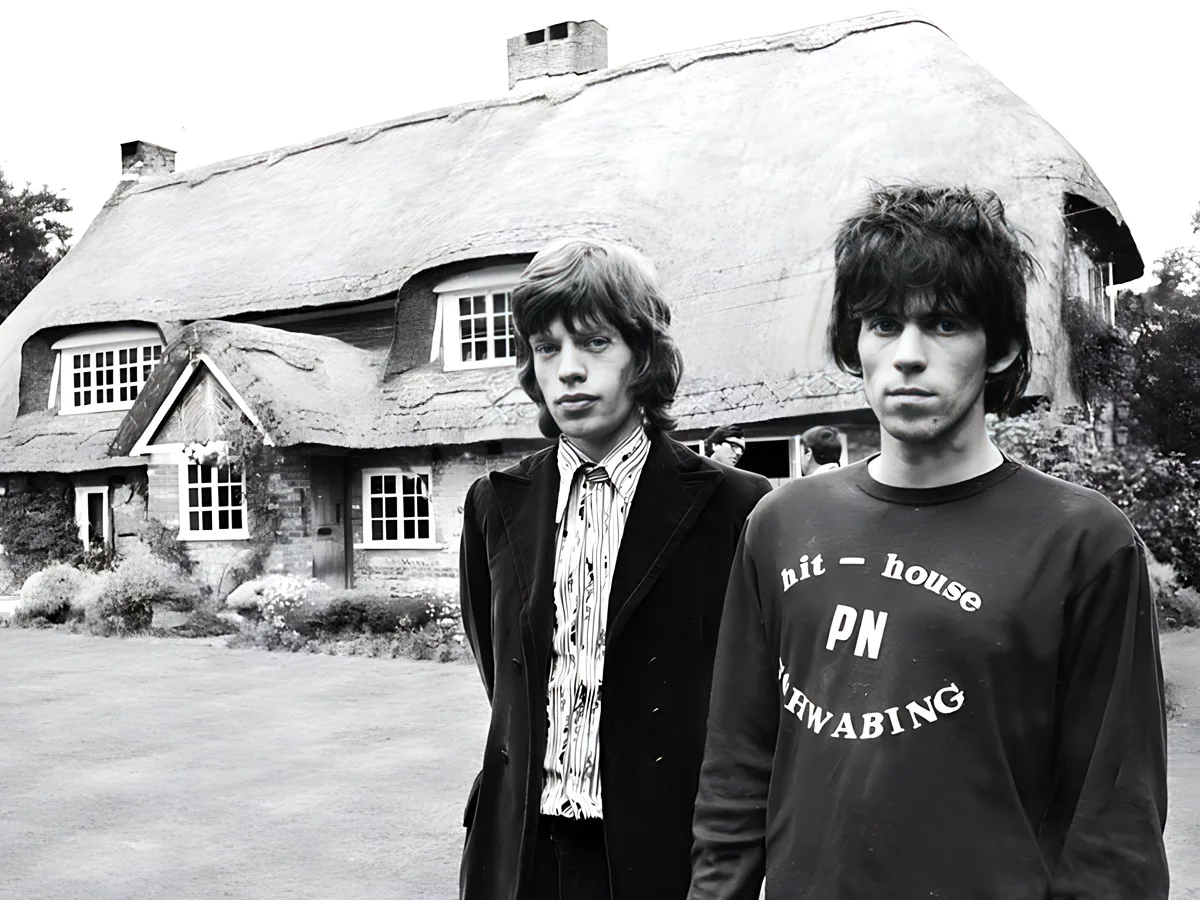
The studio’s reputation quickly crossed the Atlantic, achieving mythic status among European musicians. In 1964, during their debut US tour, The Rolling Stones made a pilgrimage to the building. The British rockers cut several tracks on site, including an instrumental groove titled "2120 South Michigan Avenue," named directly in honor of the hallowed ground.
Today, the building is designated as an official Chicago Landmark. Owned by the Blues Heaven Foundation—established by the family of blues legend Willie Dixon—it operates as a museum dedicated to preserving the legacy of the golden age of electric blues.
Transforming Chicago Blues into Rock ’n’ Roll
Chess Records virtually engineered the global gold standard for electric Chicago blues. This new sound hinged on unapologetically loud, distorted guitars, a driving rhythm section, and overdriven harmonica amplified through a bullet mic. Inside the studio, the raw, visceral energy of Southern plantations was forged into an electrifying soundtrack for a new era.
This sonic revolution was spearheaded by an extraordinary roster of artists anchored by songwriter, bassist, and the label's de facto musical director, Willie Dixon:
| Artist | Role in Defining the Signature Sound | Landmark Recording |
| Muddy Waters | Set the standard for Chicago electric blues and hard-hitting guitar riffs | Mannish Boy |
| Howlin' Wolf | Injected the genre with raw, magnetic, and explosive vocal power | Spoonful |
| Little Walter | Turned the blues harmonica into a screaming, virtuosic lead instrument | My Babe |
Soon, the company pushed far beyond pure blues. In 1955, Chess Records dropped Chuck Berry’s high-octane breakthrough "Maybellene" alongside Bo Diddley’s self-titled debut single with its unmistakable syncopated beat. These seminal cuts shattered genre boundaries, accelerated music history, and laid the cornerstone for global rock ’n’ roll.
Impact on the British Scene and the Sale of the Company
By the 1960s, American electric blues had found an explosive second life across the Atlantic. Young British musicians eagerly hunted down imported Chess Records 45s and LPs, wearing out the grooves to learn every lick and mimic the grit of Chicago's finest. The Rolling Stones famously borrowed their name from a Muddy Waters tune, while The Yardbirds, The Animals, and Led Zeppelin built their early careers reimagining Willie Dixon’s blues standards. What had been viewed in Chicago as niche working-class music became the very DNA of stadium rock overseas.
Alongside its hard-hitting guitar roster, the label made substantial inroads into rhythm and blues, soul, and jazz, forging an aesthetic distinct from the one that defined the golden age of New York jazz. Through subsidiaries like Checker and Argo, the brothers championed releases by Etta James, Koko Taylor, and the vocal group The Dells. Etta’s lush ballads, in particular, called for sweeping orchestral arrangements, adopting a layered approach that felt closer to Broadway cast album production than the spontaneous blues jams of the early days. By broadening its sonic palette, the studio captured an entirely new audience.
However, the era of the independent, family-run powerhouse came to a close in 1969 when the brothers sold the company for $6.5 million. Shortly after the sale, Leonard Chess passed away unexpectedly. By the mid-1970s, the original studio had ceased tracking new talent altogether, functioning primarily as an archival back-catalog operation. Although the label's closing chapters were marred by bitter legal battles over unpaid artist royalties, the catalog assembled by Chess Records permanently altered the course of 20th-century music history.
Behind Studio Doors: Rivalries and Trunk-Loaded Promotion
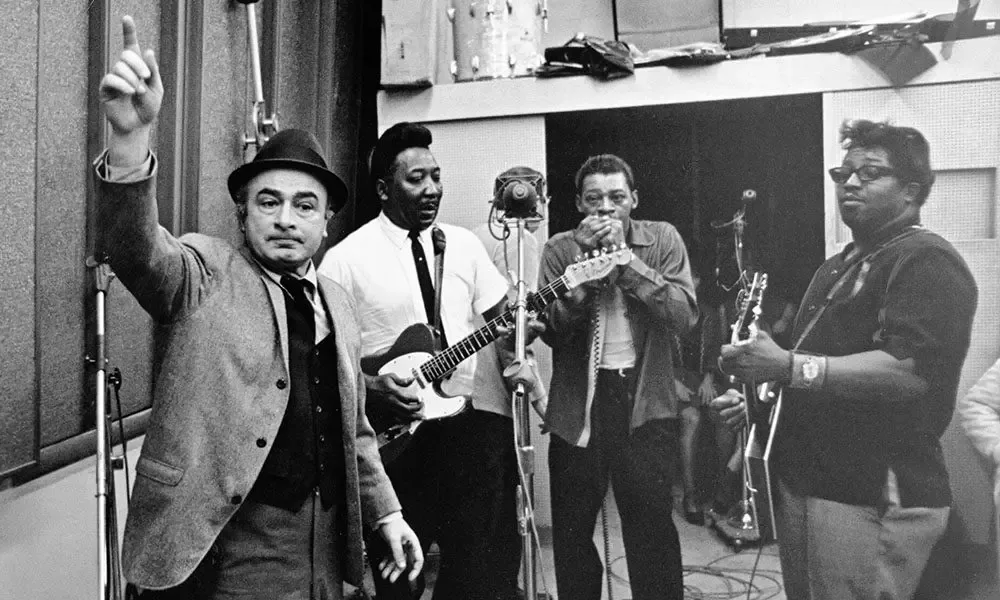
The label’s triumph was about far more than just groundbreaking audio engineering. It was driven by the founders' relentless hustle and an intense, combustible studio dynamic. In the label’s fledgling years, Leonard Chess would load the trunk of his car with freshly pressed vinyl 45s and embark on grueling promotional road trips across the American South.
He practically lived on the highway: knocking on doors at local radio stations, befriending disc jockeys, and cajoling them into spinning his artists’ newest releases. This relentless grassroots marketing allowed niche rhythm and blues records to pierce through the rigid barriers of regional commercial radio.
Back in the studio, passions ran just as high. The primary creative catalyst became the legendary rivalry between two titans: Muddy Waters and Howlin' Wolf. Both giants vied fiercely for the unspoken mantle of the label's top star, and that competitive tension sparked electrifying performances when the red recording light turned on.
Wolf was constantly suspicious that Willie Dixon was hoarding his catchiest material for Waters. Well aware of this jealousy, Dixon often resorted to clever reverse psychology: he would present a new song to Wolf claiming Muddy had rejected it or hadn't been able to pull off the vocals. Goaded by pride, Wolf would storm up to the microphone, delivering takes with ferocious power and unfiltered intensity.
Another unsung pillar of Chess Records was its core crew of house session players. Anchoring every lead artist was an impossibly tight rhythm section that ran like clockwork. Pianists Johnnie Johnson and Lafayette Leake, bassist Willie Dixon, and drummer Fred Below clocked into the studio day after day like factory workers. Thanks to their intuitive chemistry, they could lock into an airtight arrangement within minutes, transforming raw vocal sketches into punchy, radio-ready anthems.