


Your car won’t remain new for very long if you drive it in Chicago. After just one journey along the Kennedy Expressway, you can find a small chip on the hood, and after a few weeks of driving over roadworks and moving through heavy highway traffic, you can see more damage than you would anticipate.
Today, auto detailers across the country are seeing a distinct trend – new car buyers are scheduling PPF installations before their vehicle even reaches its first service or initial oil change.
Why Timing Matters for PPF Installation
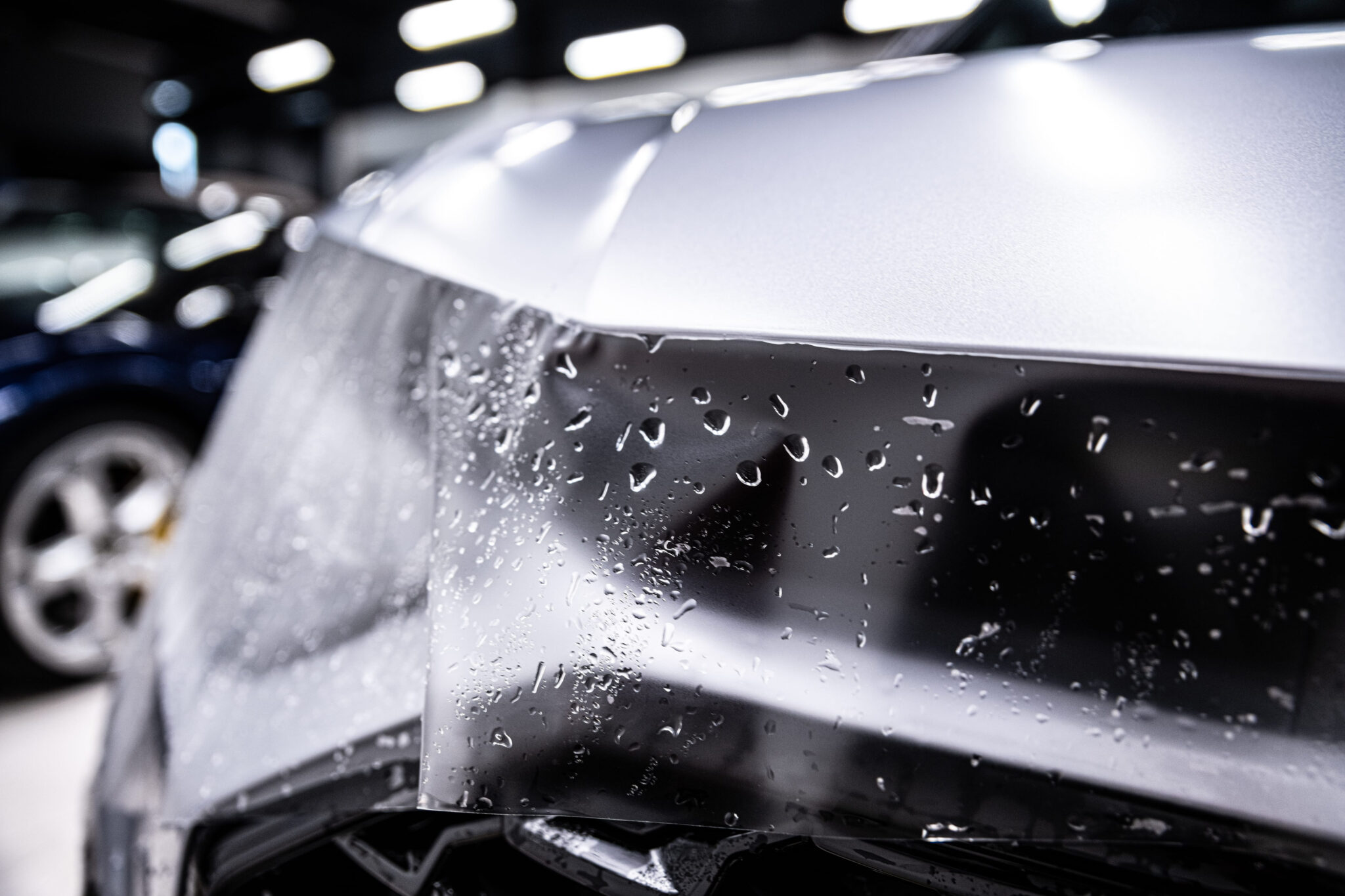
PPF has moved to the top of the new-car checklist, and it’s no longer an occasional choice. PPF protects paint, but it doesn’t repair it. Film applied to fresh, clean paint keeps it that way. Film applied to a chipped hood simply covers the chips. An installer can polish out light marks beforehand, but a rock chip that has gone through the clear coat stays where it is. Every week you wait is a small gamble.
A new car should still be checked carefully before PPF. Transport, dealership storage, and washing can leave small scratches on the paint. An experienced installer always inspects the surface even if a car arrives straight from the dealer.
What PPF Actually Does
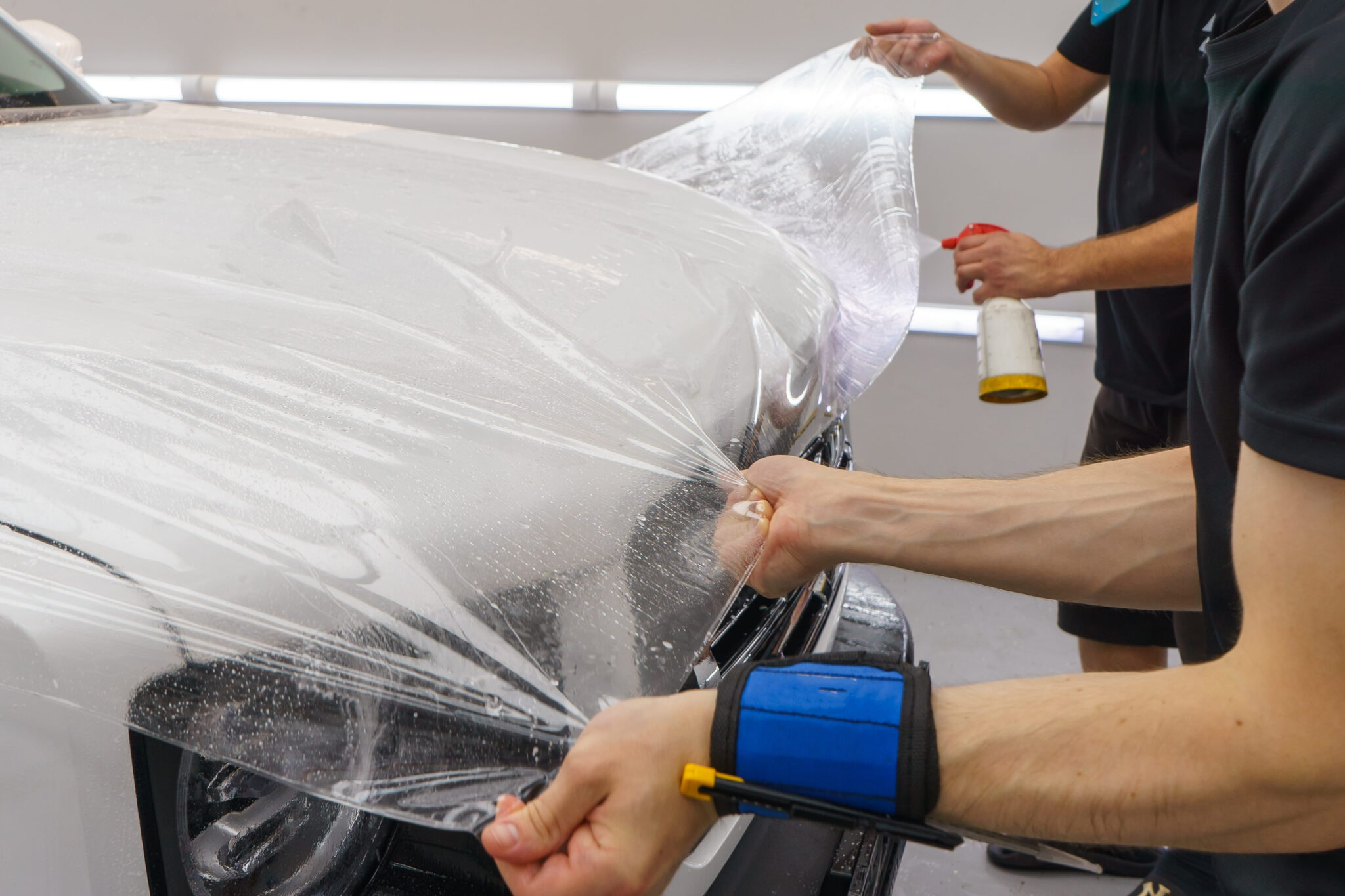
Paint protection film isn’t a wax or a ceramic coating. Edmunds explains how PPF acts as a physical barrier between your car’s paint and road debris. Simply put, it takes the hit instead of the clear coat.
High-quality film has self-healing properties. Minor scratches disappear when heat is applied, whether from the sun or warm water. The film is optically clear, so the car retains its original paint color. Quality installations last seven to ten years with basic care.
What’s the Cost of PPF?
Partial front-end coverage often runs $2,000 and up depending on the shop and region. Full-body installations start at $5,000. For some buyers, that’s a hard number to justify on a car that might only be worth $35,000.
However, a single hood repaint at a quality body shop can run $800 to $1,500. A front end peppered with chips that needs correction before trade-in can cost hundreds, and the car still won’t look right without a repaint. The same car with documented PPF installation often has a higher trade-in value because the paint is genuinely in better condition.
PPF Is Not the Package the Dealer Offers
A dealer may offer you a paint protection package when you’re signing the paperwork. In many cases, it’s a sealant or ceramic coating. These products can add shine and make the car easier to wash, but they won’t protect the paint from damage.
If you’re offered one, make sure to check what you’re actually getting, who applies it, what the warranty covers, and how much it costs. You may decide to skip the dealer package and have a specialist install PPF instead. Some owners also add a ceramic coating over the PPF later.
How Much Protection Do You Need?
It’s not necessary to paint the entire car. For a great many drivers, the front bumper, the hood, the fenders and the mirrors make a suitable starting point since these parts are most likely to come into contact with road debris. You might also consider protecting the door edges and the rear bumper, particularly if you frequently carry bikes, strollers or sports equipment.
What Buyers Usually Choose
Most people choose one of three different levels of coverage. A front-end package includes the hood, the fenders, the bumper and the mirrors, and usually also the headlights. The high-impact package covers parts such as the door edges and the rocker panels. Full-body coverage covers almost every painted panel.
The kind of driving you do should determine what you buy. In the case of a lot of highway driving, the front of the car should be given the most attention. When you’re parking on a tight street in Lakeview or Logan Square, however, it’s more important to look after the door edges and the rear bumper. Since the prices vary according to the size of the vehicle, the brand of film and the amount of the car that is covered, you should ask the shop for different options when you go there.
If you’ve just bought a car or are about to buy one, the best time to decide on PPF is right before the first chip appears. You should contact two or three different shops, compare the quotations and aim to book an appointment before the oil change reminder comes on your dashboard.